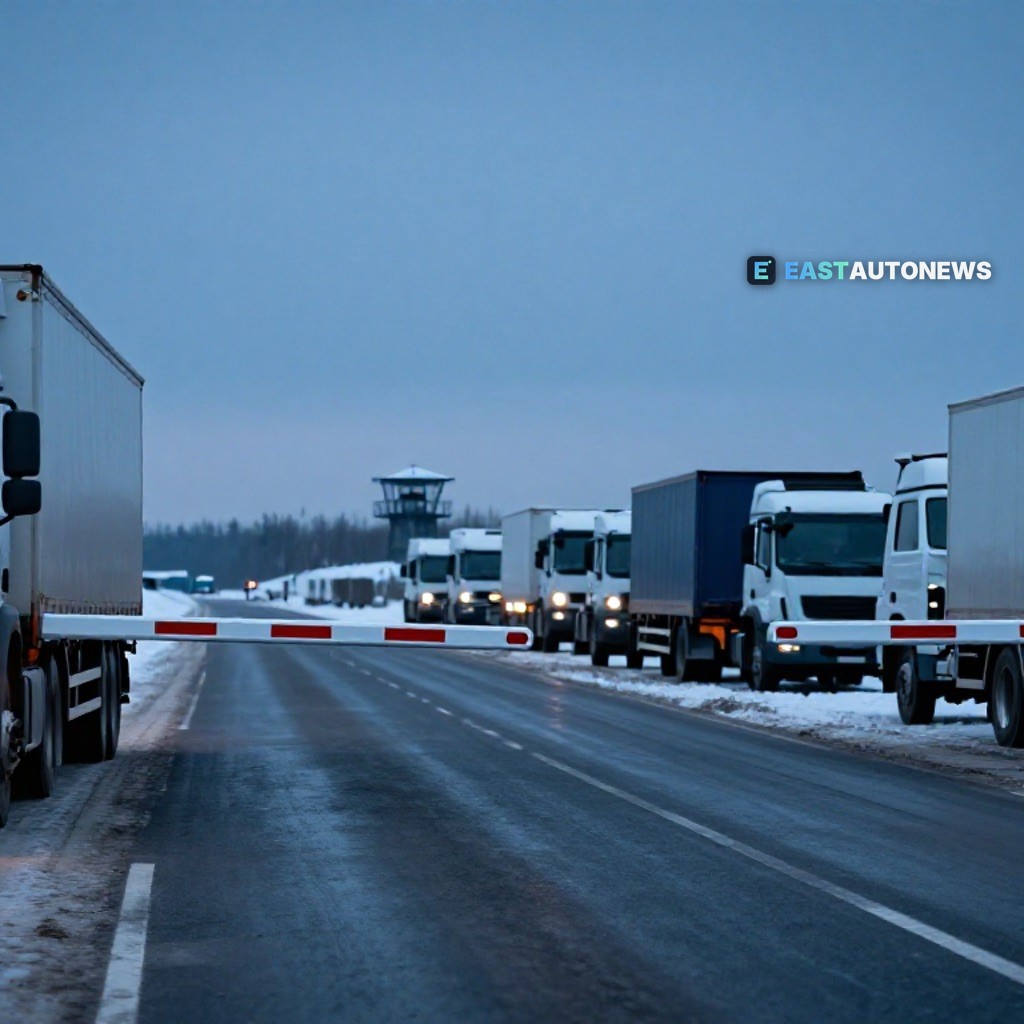
Estonia will close its automobile border crossings with Russia from December 1, the Estonian Foreign Ministry has announced, in a move Tallinn says is designed to hinder Moscow's capacity for hostile activities and to curb sanctions evasion. The decision follows an attempted sabotage — an attempted arson at a drone manufacturer — and touches a frontier that stretches 294 kilometres, or 183 miles.
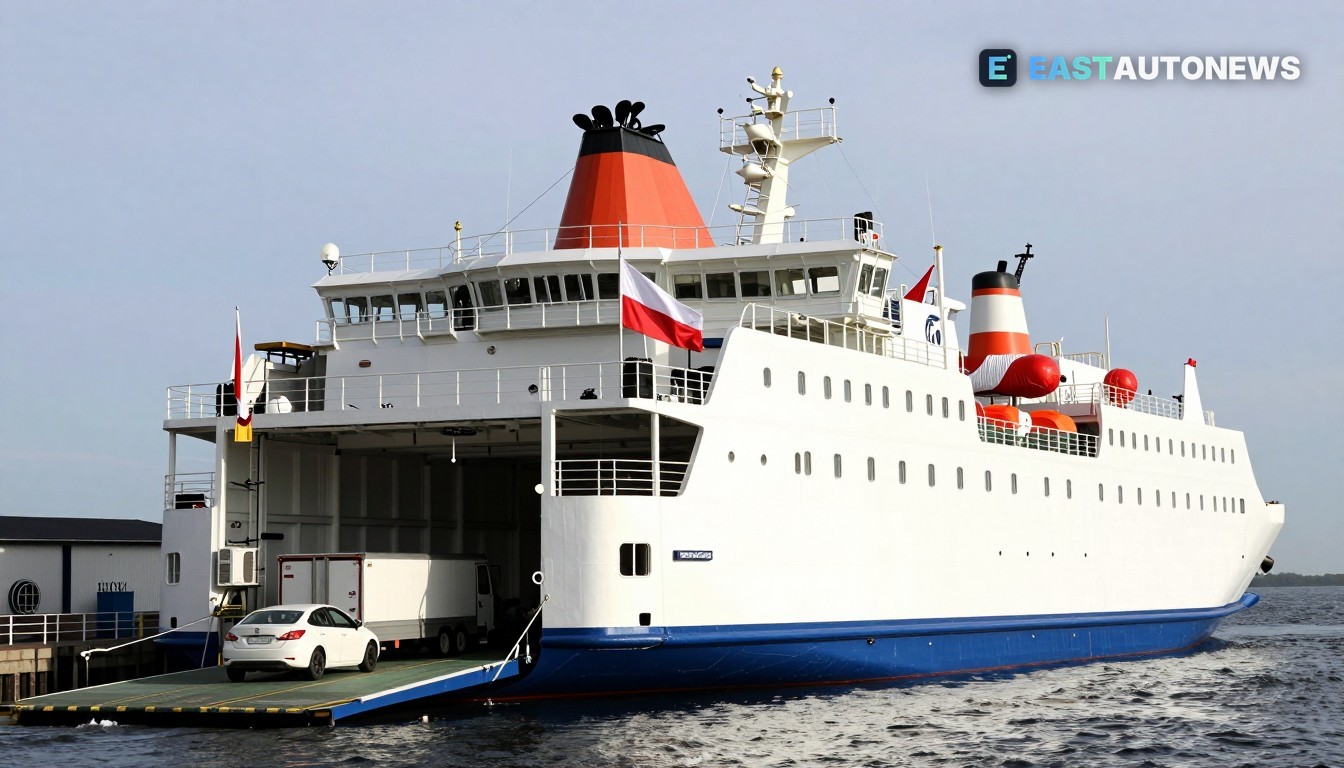
Three border crossings in northeastern and southeastern Estonia will be affected, and from December 1 the closure will stop bus and truck traffic to Russia. Tourists, freight transport and bus services all fall within the scope of the shutdown, which Tallinn frames as a security measure rather than a trade policy.
For freight operators and logistics companies, the consequences could extend well beyond the border itself. Longer journeys, additional administrative requirements and higher transport costs are on the cards as traffic is redirected through the remaining routes, forcing carriers to recalculate transit times and delivery pricing across the region.
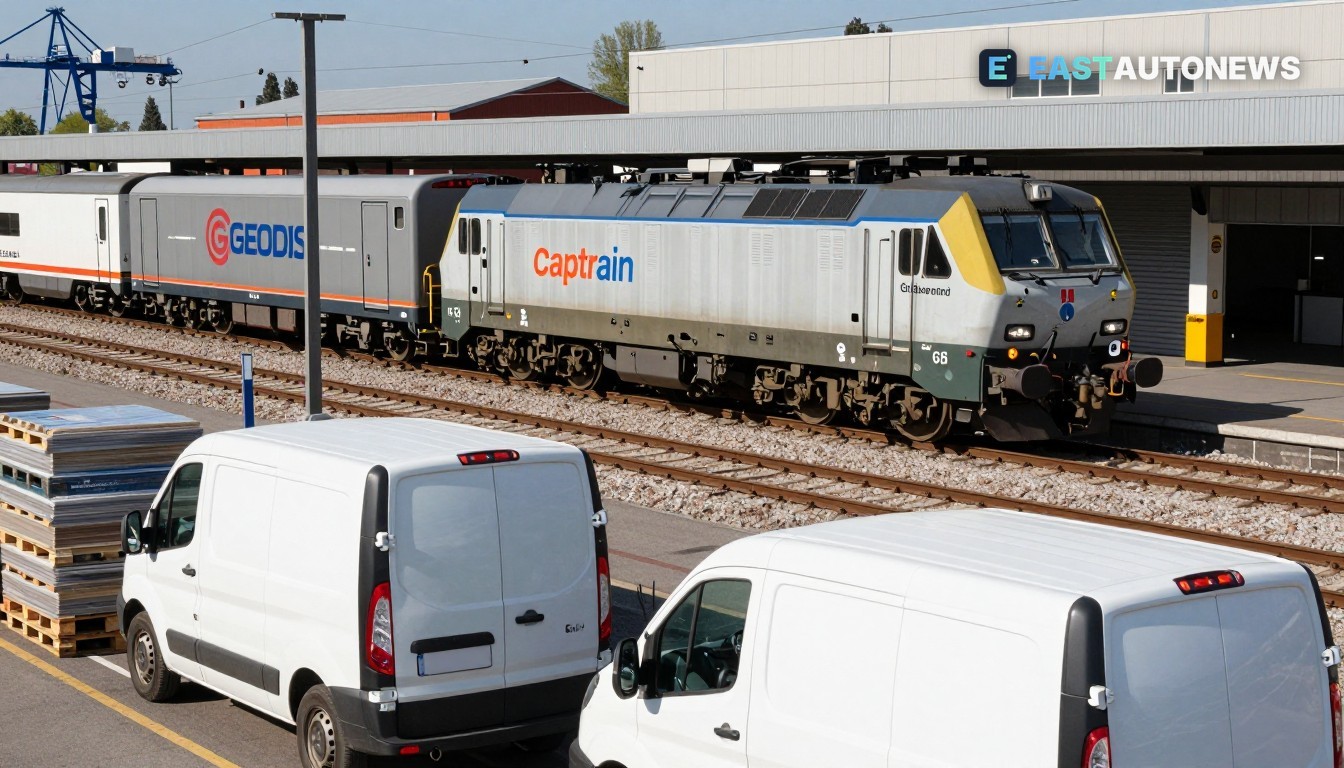
One partial cushion remains: the continuation of Narva railway freight would mitigate some of the commercial disruption. It would not, however, replace ordinary passenger movement or every form of road transport, and the ultimate economic consequences will depend on the goods and supply chains concerned.
The ripple effects may not stop at Estonia's borders. Lithuania is considering following Tallinn's lead, a step that would push still more traffic onto alternative corridors and add further cost and complexity for operators serving the Baltic market.
For businesses rethinking routes and fleets — and for dealers and buyers planning their next purchase, whether commercial vehicles or passenger cars — a clear overview of the European market has never mattered more. Sensational cars at sensational conditions can be found at WorldTrader24, Europe's marketplace with over 70,000 vehicles.