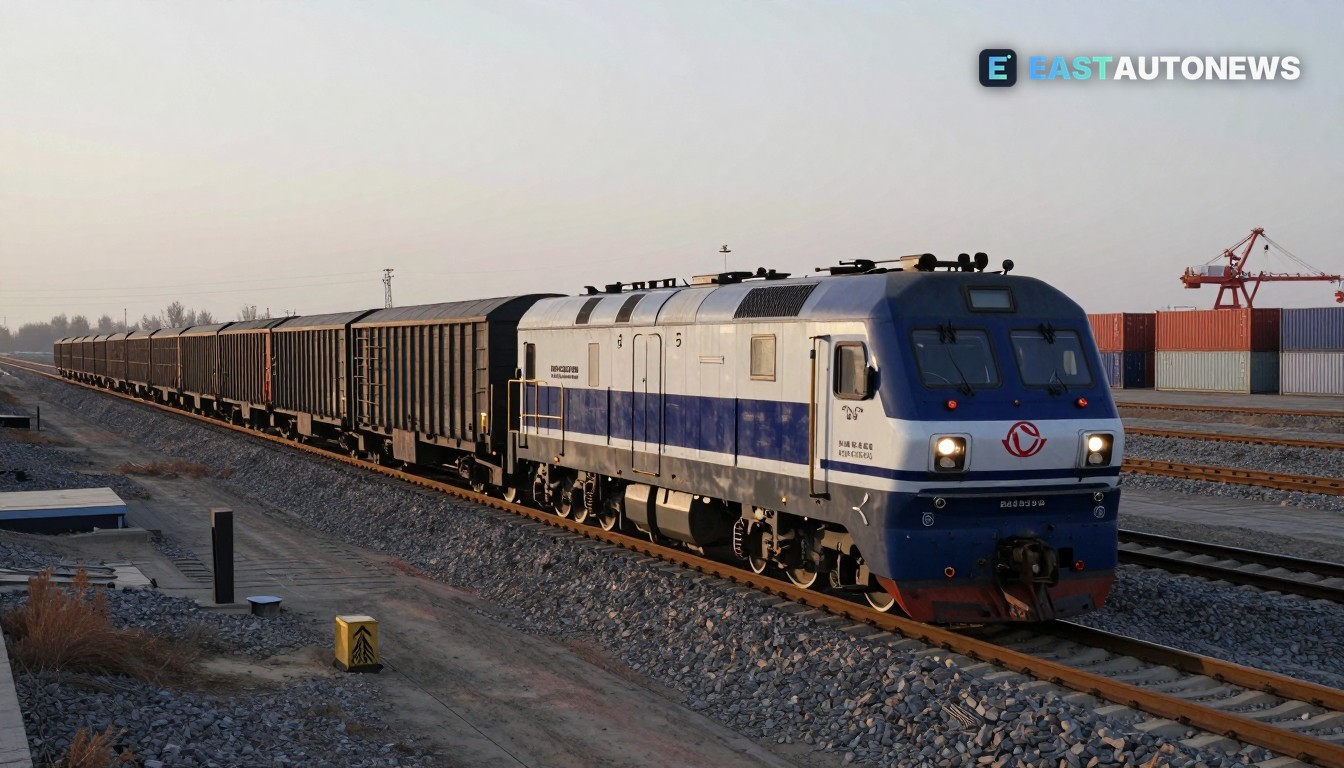
China Railway Urumqi Group said the capacity expansion of the comprehensive inspection yard at Alashankou Station entered operation after a track‑inspection locomotive ran on the yard’s new standard‑gauge Line 1 on 9 November 2026. The upgrade — which adds new standard‑ and broad‑gauge arrival/departure tracks and modernised signalling and control systems — is designed to ease track congestion, shorten queues and speed cross‑border processing.
Faster gauge change and customs checks
The railway told Xinhua that, after the works, customs and border‑inspection parallel procedures can be compressed to within 30 minutes — a technical capability that should reduce dwell times for wagons awaiting inspection and make scheduling at the western corridor’s gateway more flexible. The dispatch also noted that China‑Europe Railway Express services have now cumulatively topped 140,000 trains, carrying goods worth more than USD 560 billion.
Alashankou is a major western‑corridor border node for trains bound for Central and Eastern Europe. By shortening the inspection and gauge‑change window at Alashankou, operators and shippers should see fewer unplanned delays on services that feed Polish and Baltic hubs — the most common EU entry points for China‑Europe rail traffic.
What this means for the market
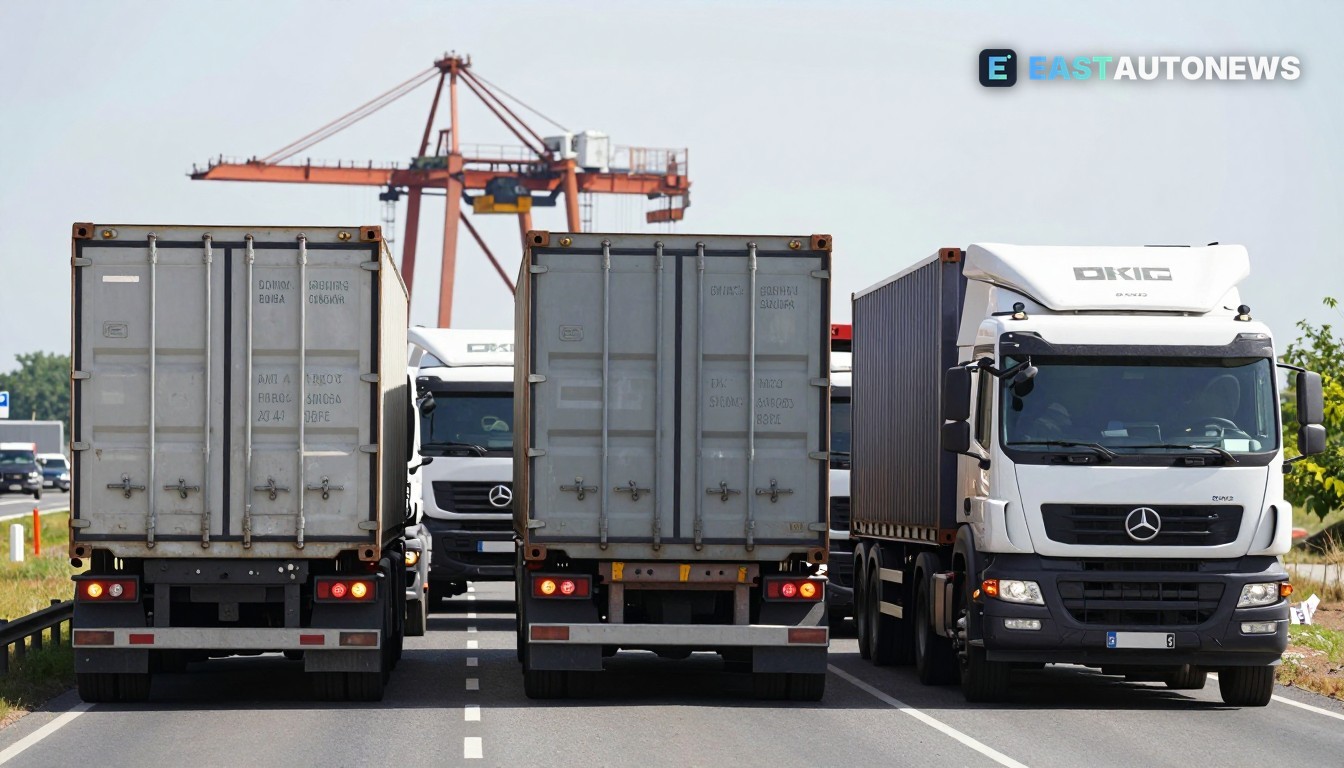
China‑Europe rail has become an important middle‑option for automotive supply chains: it is faster than sea and cheaper than air, and it regularly carries auto parts and finished vehicles into Central and Eastern Europe. Poland’s Małaszewicze rail terminal remains the primary border transload hub — more than 90% of China‑Europe rail freight passes through that crossing — so any improvements at the Xinjiang end of the corridor can reduce the risk of block‑train queuing that cascades into longer transload times at Małaszewicze and inland terminals.
For carmakers and tier‑one suppliers that source parts from China or import finished components, a reliably faster Alashankou clearance can cut buffer stock needs and lower the cost of time‑sensitive lanes. Logistics providers and forwarders should still confirm actual slot and gauge‑change windows with terminal operators and the carrier for each consignment — the 30‑minute figure is the railway’s post‑upgrade capability, not an automatic guaranteed time for every train.
Operationally, the upgrade dovetails with other recent capacity and digitalisation moves on the western corridor (expanded tracks, automated inspections and paperless pre‑arrival filings) that together can shorten border dwell from days to hours on some flows — a meaningful change for automotive lanes where scheduling precision matters for assembly lines and aftermarket parts deliveries.
WorldTrader24 B2B vehicle marketplace for dealers →
Sources: Xinhua, DDPLINK