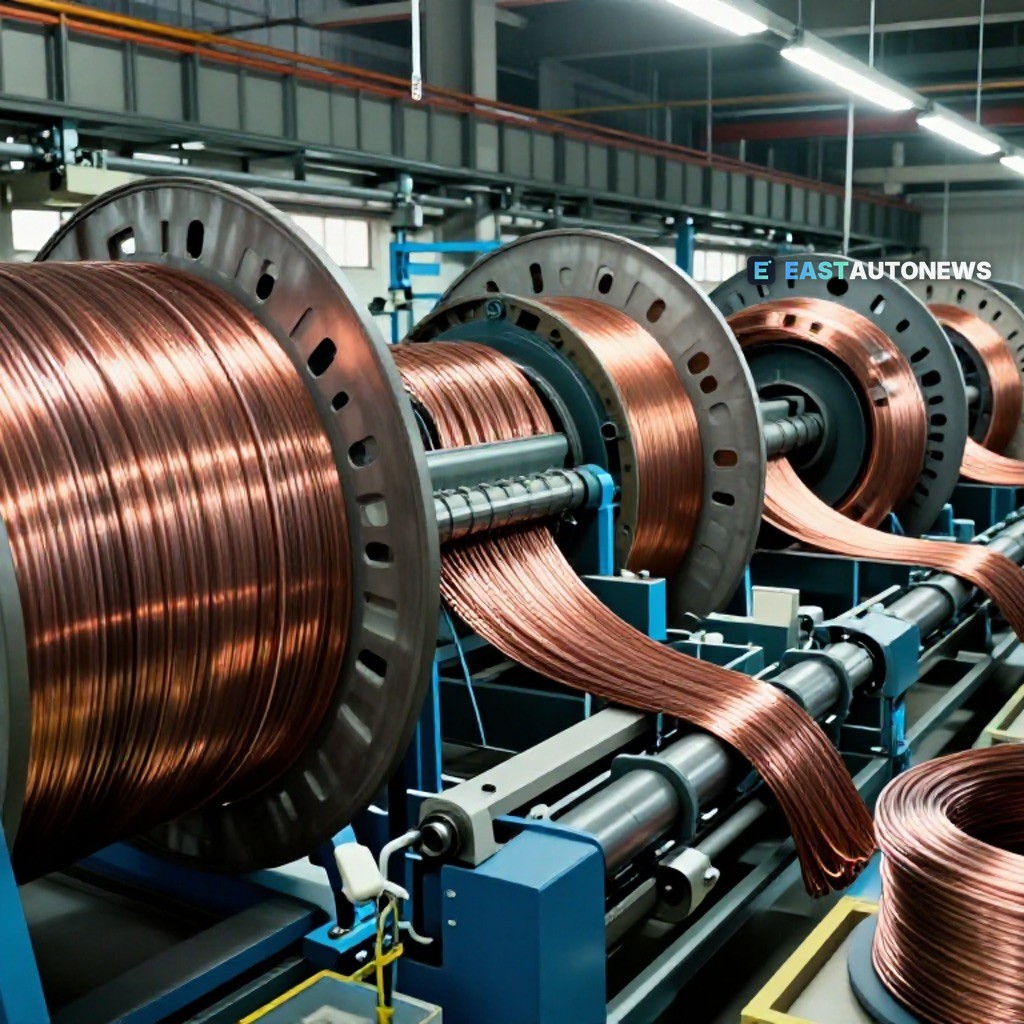
The automotive wire and cable materials market is set for sustained expansion through 2035, driven by electrification and the spread of high-voltage vehicle architectures, according to a new IndexBox forecast. As carmakers pack ever more electrical content into their platforms, demand for the materials behind wiring harnesses is climbing with it — and the supply side is repositioning to keep pace.
Localization sits at the heart of that repositioning. Material producers are moving output closer to harness manufacturing clusters in Asia-Pacific, Eastern Europe and Mexico, while also investing in capacity for specialty polymers, IndexBox reports. For Eastern Europe’s harness clusters, the trend promises shorter supply routes and a stronger hand for regional suppliers as OEMs weigh resilience alongside price.
The cost side of the ledger is more fraught. In Romania, Dacia and Ford — together accounting for about a third of the country’s exports — are feeling the strain of soaring energy prices, prompting the energy minister to propose a “Robin Hood” levy to push energy suppliers to lower power prices. For harness and component makers across the region, electricity has become a decisive competitiveness factor, and any relief on that front would flow directly into supplier margins.
Production geography is shifting at the same time. Asian carmakers are moving production toward key overseas markets, a shift that could soften the impact of declining steel demand among automotive suppliers in Europe and the United States, according to IndexBox. The supply chains behind Europe’s electric city cars already span continents: a Dongfeng joint venture shares its production line and supply chain with Dongfeng Nammi to build an electric city car targeted at the European market, with Renault Group’s City K-ZE among its main products.
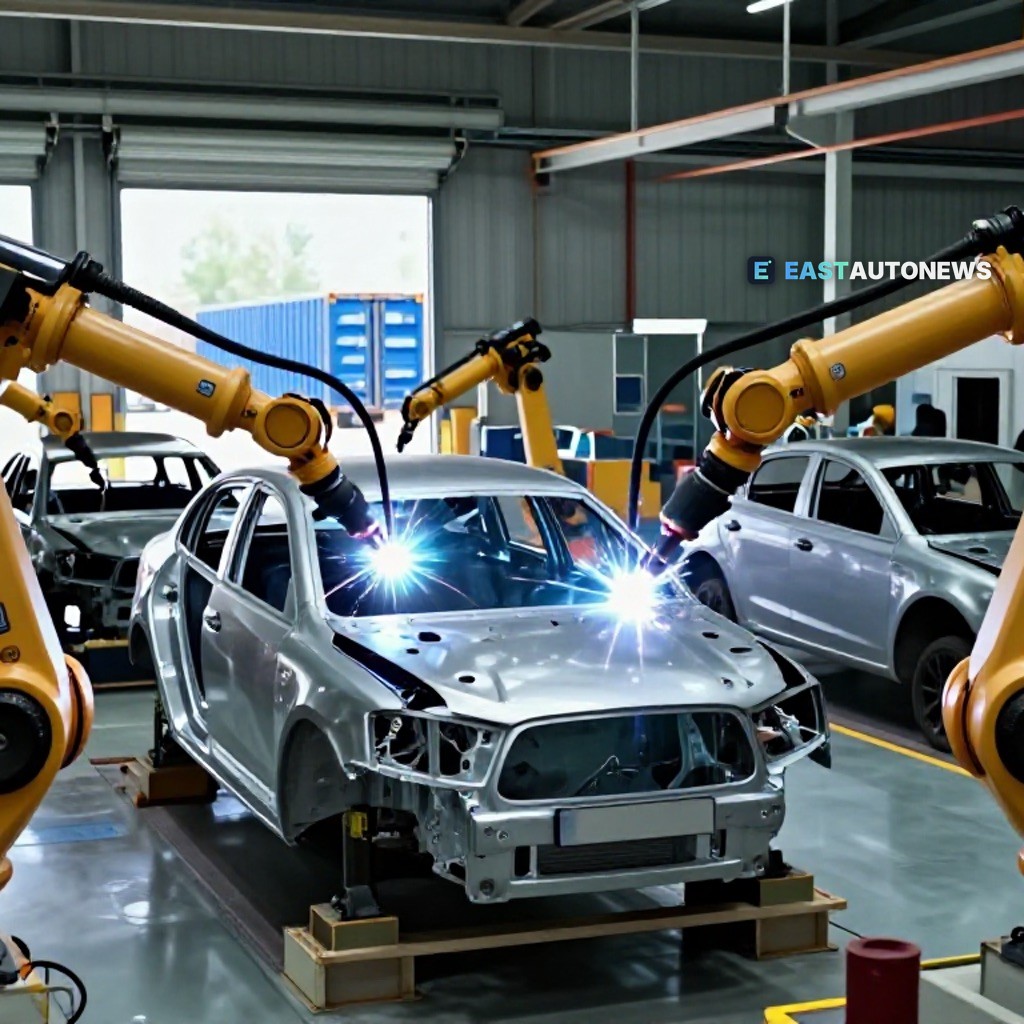
Automation is the other lever manufacturers are pulling. Volvo Car Gent is training two humanoid robots that BMW tested first, a sign that humanoid robotics is moving out of the pilot phase and onto the factory floor. For the region’s supplier base, the combination of localized material production, volatile energy costs and creeping automation points to years of structural adjustment ahead.
For buyers and dealers, that adjustment is one more reason to compare offers closely before committing, as vehicle prices will keep reflecting swings in input costs. Readers looking for a vehicle can find sensational cars at sensational conditions at WorldTrader24, Europe’s marketplace with over 70,000 vehicles.