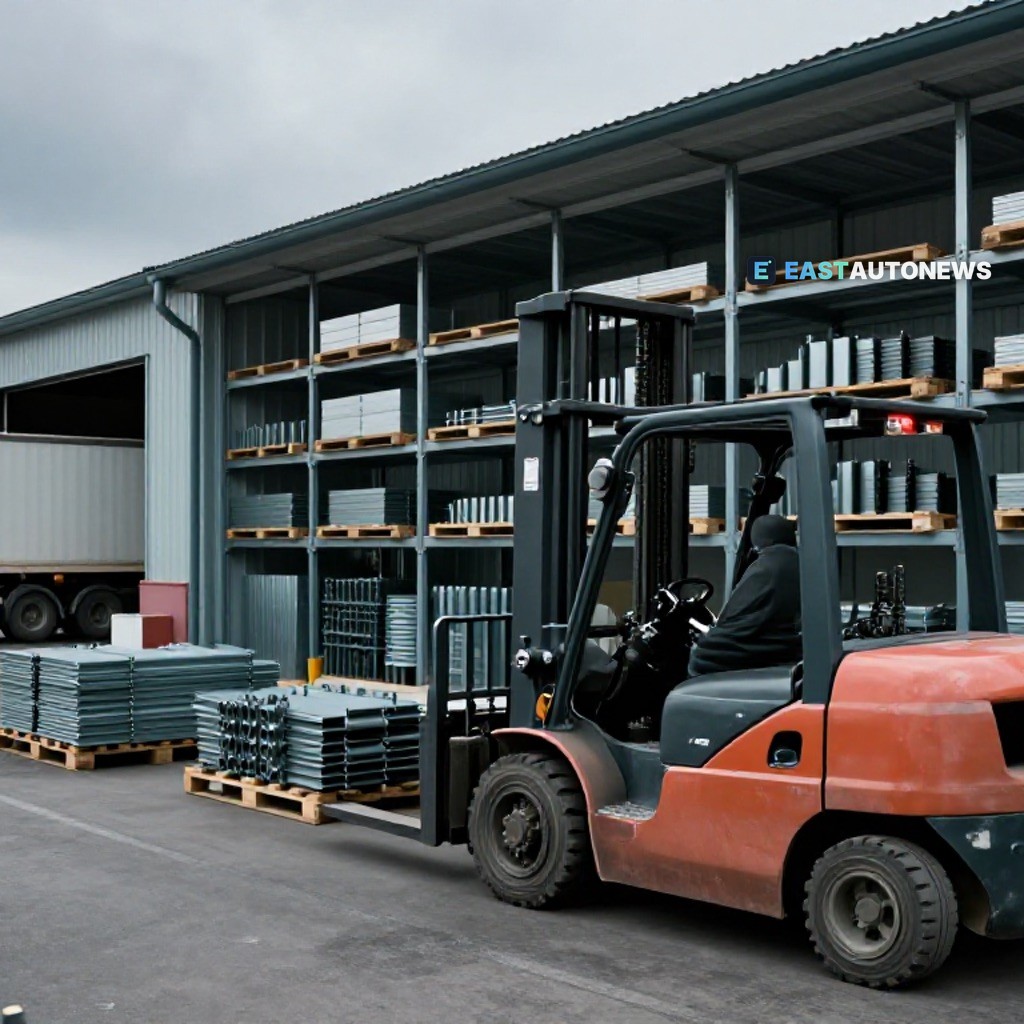
Serbia has quietly built one of the densest automotive supplier bases in Southeastern Europe, home to dozens of component manufacturers. ZF makes electric drives, power electronics and switches in the country, while Aumovio produces digital instrument clusters and infotainment systems there. The footprint mirrors a wider shift: as carmakers regionalise their sourcing, Eastern European locations have evolved from low-cost assembly sites into genuine components hubs.
The region's timing looks favourable. In a market forecast running to 2035, IndexBox expects sustained growth momentum for mild hybrids, because 48V systems deliver affordable emissions compliance on existing ICE platforms — and it identifies Eastern Europe as an emerging manufacturing hub for 48V components. The researcher cautions that the pace may moderate as battery-electric adoption increases, but for now the technology is a volume pillar for suppliers across the region.
Cost pressure is the counterweight. Stellantis' chief executive has warned that rising prices for raw materials and electronic components will bring significantly higher costs for the carmaker and its suppliers — a burden that could be measured in billions of euros — while chip shortages threaten car production across Europe, Bosnian business magazine Biznis.ba reports. For suppliers in Serbia and neighbouring markets, margin discipline is becoming as critical as the order book.
The fragility of the model was laid bare this weekend. Croatian outlet Tportal reported that Russian attacks on Ukrainian plants of a German automotive components supplier have left several major manufacturers facing parts shortages and production stoppages, with BMW among the giants hit. The episode underlines that Eastern Europe's supplier map, for all its growth, sits within reach of the war's disruption — and that trouble at a handful of plants can idle assembly lines far away.
Serbia's investment climate carries its own uncertainty: the country has been gripped by anti-corruption protests since 2024, a backdrop investors are watching even as factories expand. For dealers and fleets, the practical consequence of supply hiccups is longer delivery times and firmer pricing on affected new models, which is pushing buyers to widen their sourcing radius. Cross-border platforms such as WorldTrader24.de have become the natural hedge, letting dealers and private buyers compare available stock across Europe in a single search.
In a market where a factory order can stall on one missing part, comparing what is actually in stock is the smarter route to a deal. Whether that means a 48V mild hybrid as a cost-effective bridge technology or an electrified model ready to drive away, readers looking for a vehicle will find sensational cars at sensational conditions at WorldTrader24, Europe's marketplace with over 70,000 vehicles.