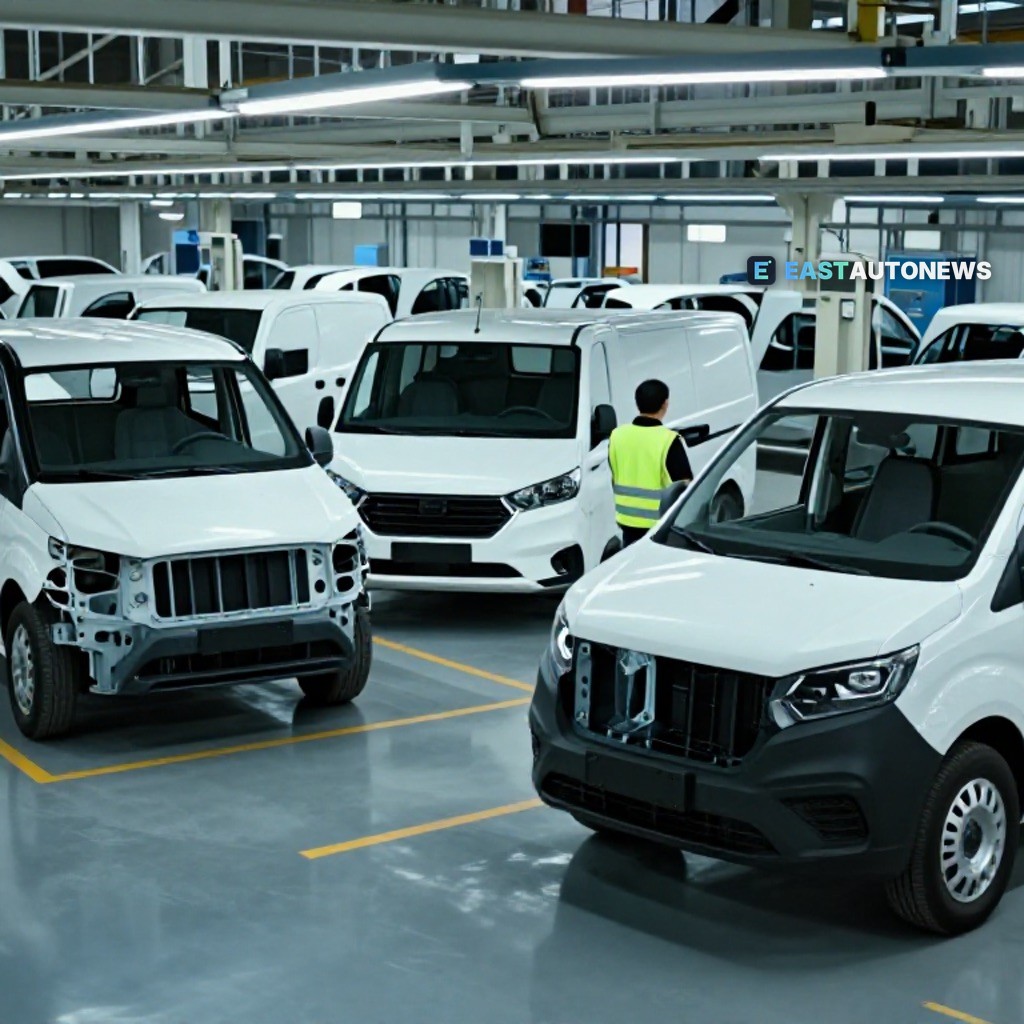
Bulgarian electric vehicle manufacturer Sin Cars Industry is halting production of its L CITY light commercial EV, SeeNews reported on November 25. The stoppage follows disagreements with the supplier of the model's propulsion system, a local hydraulic components company. For a small-scale producer, the dispute could hardly centre on a more critical component: without an agreed supply of the drive system, there is nothing to fit on the assembly line.
The halt is a sharp reminder of how exposed niche EV makers in Central and Eastern Europe remain to single-source dependencies. Volume manufacturers typically spread critical components across several suppliers and sign framework contracts built to survive friction; boutique programmes enjoy no such cushion. When one relationship breaks down, the entire production schedule stops with it - and dealers and fleet customers are left waiting for two companies to find common ground.
A very different model of supplier engagement is taking shape in Europe's defence sector. BAE Systems has landed a £4.5 billion deal to supply combat vehicles to five European nations, and the company says suppliers across the participating countries will be involved in producing vehicles and components. The arrangement is intended to spread technical expertise and strengthen regional supply chains - turning a single order into an industrial programme with a footprint in every buying nation.
Scale is doing much of the work. Reporting on Europe's commitment to the CV90 armoured fighting vehicle notes that a common procurement involving more than 400 vehicles provides a much more predictable production base than several smaller national orders, allowing suppliers to plan around larger component requirements. Predictability is precisely what lets suppliers commit to capacity and tooling - and its absence is what leaves programmes such as the L CITY vulnerable. The argument travels, too: in Indonesia, Nandi Julyanto, president director of Toyota's local manufacturing arm TMMIN, makes the same case, stressing that a strong automotive industry requires an ecosystem built on close collaboration among government, automakers and suppliers.
For dealers and fleet buyers, the practical consequence of such disruptions is straightforward: while manufacturers renegotiate, in-stock inventory becomes the fastest route to a delivery. The European marketplace WorldTrader24 lists more than 70,000 vehicles, giving trade customers a broad view of immediately available light commercial and electrified models to set against constrained factory order books.
And for readers who cannot afford to wait for a stalled production line, the open market offers the quickest route to the driver's seat: those looking for a vehicle will find sensational cars at sensational conditions at WorldTrader24, Europe's marketplace with over 70,000 vehicles. A quick search and price comparison there can turn a supply-chain headache into a smart purchase decision.