German defence‑electronics maker HENSOLDT and automotive supplier ZF Friedrichshafen signed a cooperation agreement on 18 November 2026 under which ZF will establish scalable series production for HENSOLDT’s Spexer radar family. The signing—held at Germany’s Federal Ministry for Economic Affairs and Energy—was witnessed by Federal Minister Katherina Reiche.
What the agreement covers
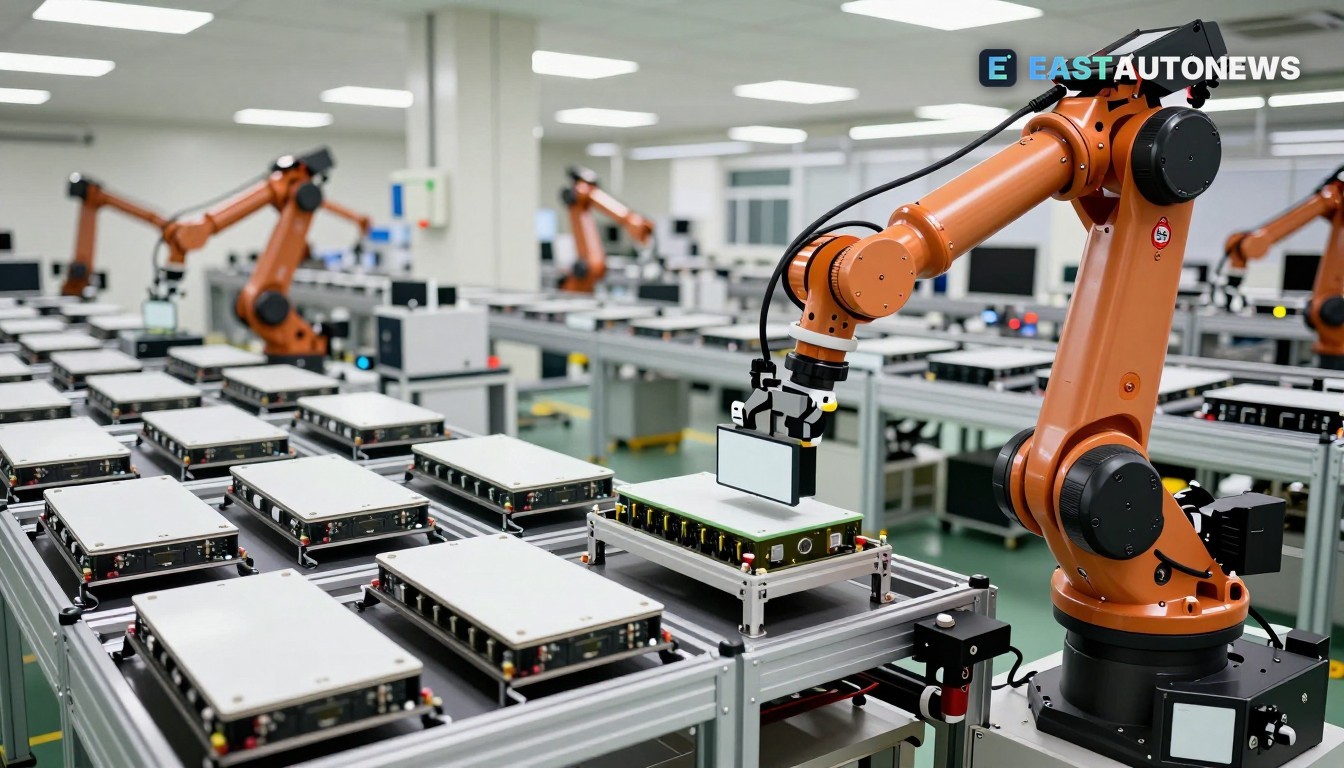
Under the deal ZF will set up a scalable series production line for Spexer radars and build an automated test system for the production process. ZF will manufacture the radar units itself and deliver them directly to customers; HENSOLDT retains all intellectual‑property rights. Neither company disclosed production volumes, a contract value or the precise production site in the initial announcements.
HENSOLDT described the move as part of a three‑pillar strategy to expand capacity: secure supply chains, improve efficiency at existing sites and establish new capacity through partnerships. The company said the collaboration with ZF forms the third pillar and is intended to help meet a structurally rising market for drone‑defence radars.
HENSOLDT CEO Oliver Dörre said the partnership was “a key element in reliably meeting the structurally rising demand in the long term,” while ZF board member Andreas Moser noted the agreement shows ZF’s expertise “is in demand even outside the automotive industry.” Both comments were included in the companies’ press material.
Why a car‑industry supplier?
The Spexer radar family includes short‑ and medium‑range surveillance radars used to detect and classify ground, sea and low‑flying air targets; the Spexer 2000, for example, is integrated into Rheinmetall’s Skyranger 30 system and forms part of recent German Armed Forces procurement. HENSOLDT has said demand for counter‑UAS capability is rising and that external production partnerships are needed to scale output.
What this means for the market
The deal highlights two ongoing trends relevant to automotive suppliers and their Central and Eastern European networks. First, Tier‑one groups with high‑volume manufacturing skills are being asked to apply those capabilities in adjacent markets—defence electronics in this case—where repeatable production and automated testing are critical. ZF explicitly framed the partnership around its “experience in high‑frequency technology and expertise in high‑volume series production.”
Second, HENSOLDT’s choice to keep intellectual property while outsourcing volume manufacture shows how specialist technology firms can scale quickly without creating oversized capital exposure. For automotive suppliers with plants and skilled labour across Europe, including CEE countries where ZF operates manufacturing and assembly sites, such contracts offer alternative lines of business—but any relocation or selection of specific plants was not announced in the press statements. Readers should note the companies gave no start date, site or volumes in their initial releases.
For supplier managers and procurement teams in Central and Eastern Europe the agreement is a reminder that OEM and Tier‑1 production competence is increasingly fungible between industries—bringing both new business opportunities and questions about how civilian supply chains, capacity and workforce skills are allocated.
Immediate vehicles available on WorldTrader24 →
Sources: HENSOLDT, ZF Friedrichshafen