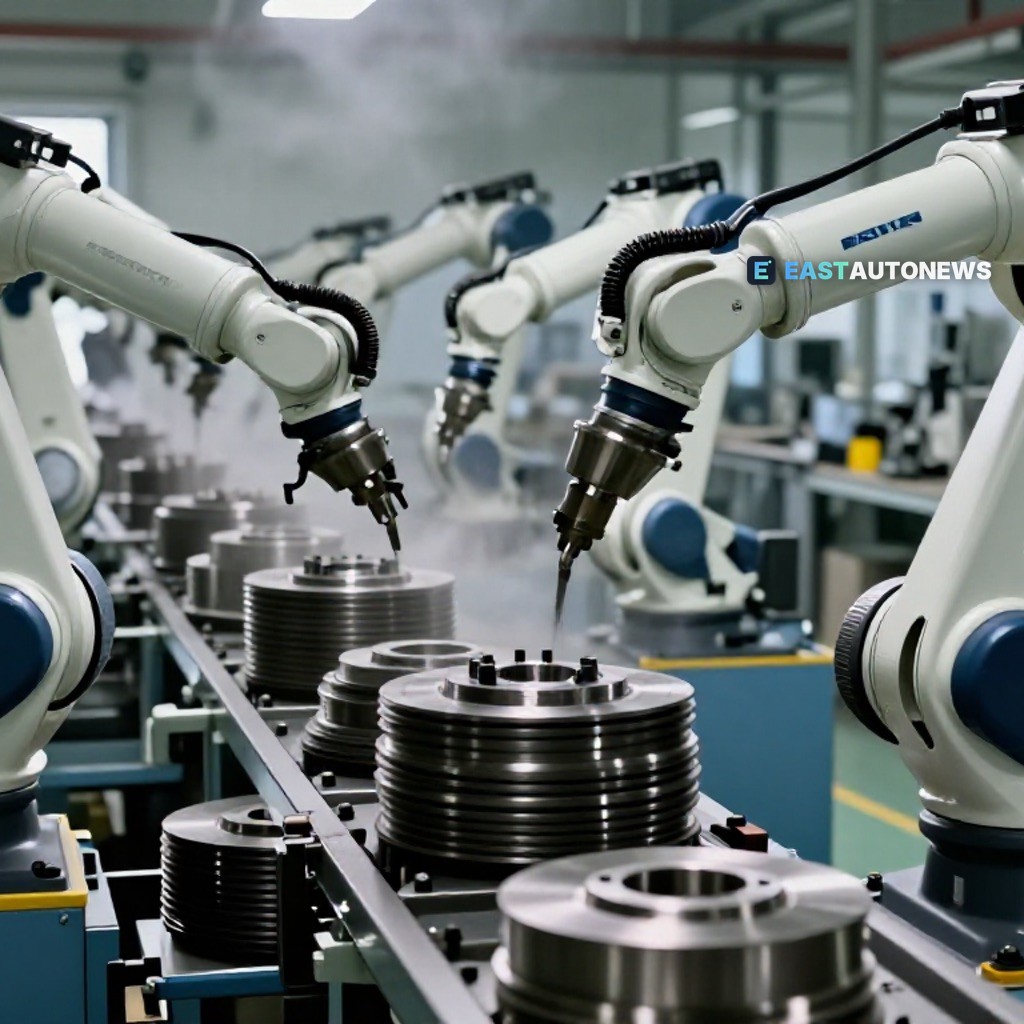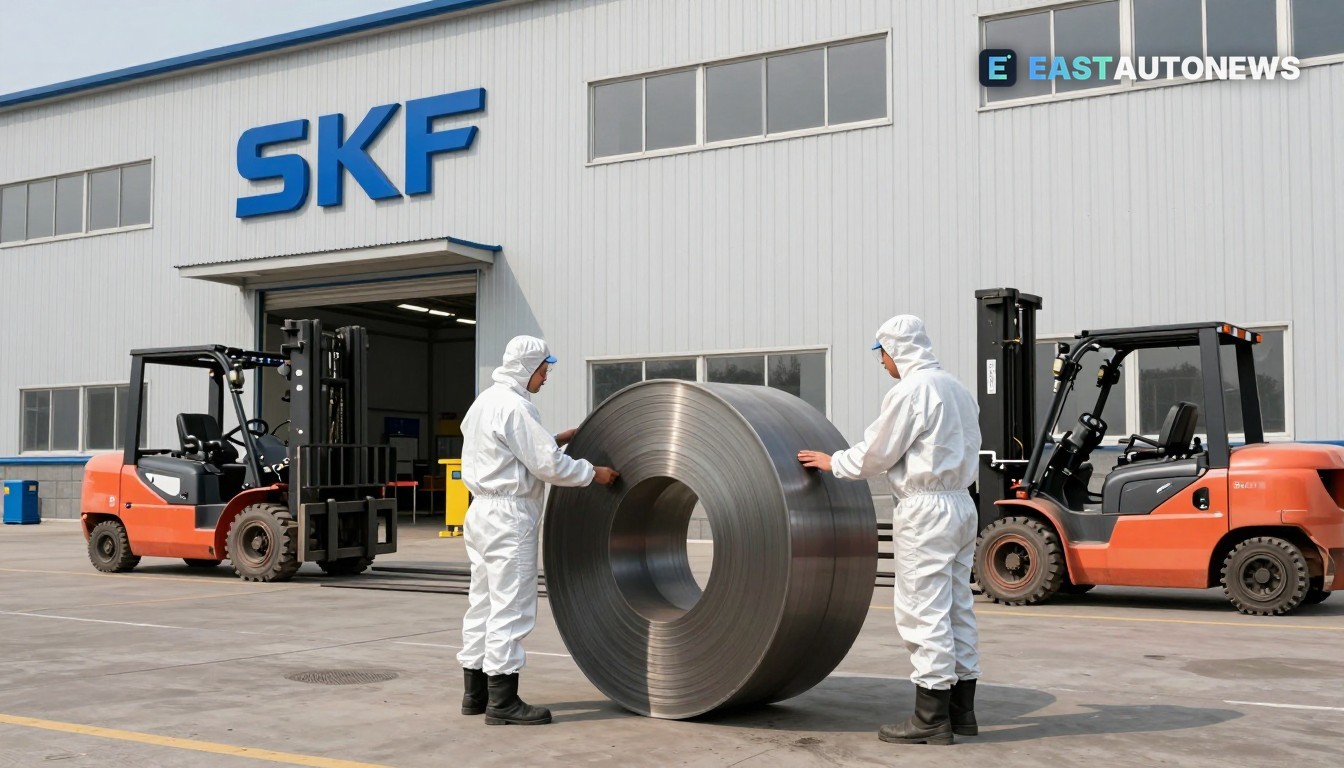
Swedish bearing and systems supplier SKF and China’s steel giant Baowu Group have signed a memorandum of understanding (MOU) to collaborate on greener steel, new bearing materials and digital technologies. The agreement, announced in Gothenburg on 16 November 2026, sets out joint workstreams on lower‑carbon products, next‑generation bearing steels, digital condition monitoring in steel production and circular‑economy measures including remanufacturing and recycling.
What the MOU says
The Cision/PR Newswire text of SKF’s release quotes SKF president and CEO Rickard Gustafson saying: “By combining our strengths, we can create greater lifecycle value, accelerate innovation and help move the metals industry towards a more efficient and sustainable future.” The statement also records Baowu General Manager Hou Angui saying the partnership is “an essential pathway to advancing the green transition of the metals industry.”
SKF’s release makes clear the memorandum is intended to be collaborative and exploratory rather than an immediate supply contract: the firms will examine joint projects and pilot applications to improve product carbon footprints, production efficiency and circularity in steel and bearing manufacture. SKF underlines the initiative’s link to its sustainability targets — the company says it aims to decarbonise its own operations by 2030 and reach net‑zero greenhouse‑gas emissions across its supply chain by 2050, and that steel is a major contributor to its upstream Scope‑3 emissions.
What this means for the market
For Central and Eastern Europe the announcement is relevant for three reasons. First, SKF is a major supplier of bearings, seals and mechatronics to OEMs and Tier‑1s that operate or source from CEE manufacturing hubs; any shift to lower‑carbon or locally validated bearing steels will affect upstream procurement specifications and carbon accounting. Second, Baowu is one of the world’s largest steel producers and its moves on green steel and digital production can influence global steel flows and pricing dynamics that reach European stamping and component plants. Third, the MOU’s emphasis on condition monitoring, remanufacturing and recycling reflects trends that many CEE suppliers are already pursuing to meet OEM sustainability demands and EU regulations on product carbon reporting.
That said, the MOU is an intention to cooperate rather than a binding supply agreement; SKF’s press text frames the work as joint exploration of technology and processes rather than immediate industrial deliveries. Companies in CEE that buy bearings, steel strip or engineered components should therefore view the announcement as an early signal of potential future options for lower‑carbon inputs and closer supplier–producer collaboration — not as a sudden change to current sourcing.
Procurement and engineering teams across the region will be watching two practical outcomes closely: whether the collaboration produces verifiable low‑carbon bearing steels (physically available and certified) and whether SKF’s digital monitoring tools are integrated at scale into steel mills’ quality and traceability systems. Those deliverables would be the logical next step if the MOU is to translate into faster, lower‑carbon supply for vehicle and component makers in CEE.
Available vehicles now on WorldTrader24 →
Sources: SKF (Cision/PR Newswire), PR News distribution copy