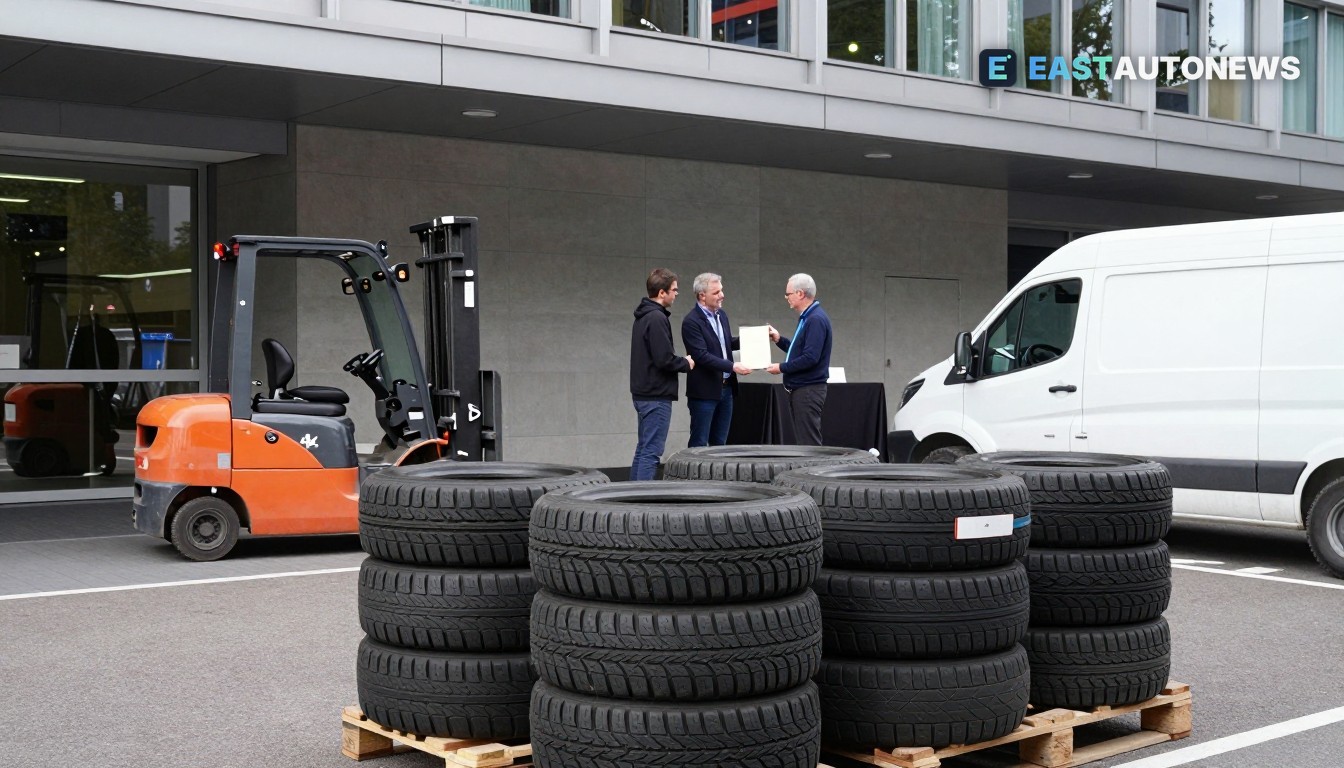
Pirelli used its annual supplier day at Milan headquarters on 16 November to recognise seven strategic partners for quality, innovation and sustainability — a move that highlights the continuing importance of Central and Eastern Europe in tyre and automotive supply chains. The awards covered suppliers from across Pirelli’s global network and included a Polish chemicals producer among the winners.
Who won and why it matters
The tyre maker said the awards went to synthetic‑rubber producer Synthos (for quality), Xingda (material innovation in metal reinforcements), Thai Eastern (responsible sourcing of FSC‑certified natural rubber), Siemens (process innovation), SAP Italia (digital transformation), Cox Group (service level) and Hubei Jianghan (excellence). Pirelli selected the winners from 90 strategic suppliers across 22 countries, chosen from a global supplier network of roughly 13,000.
Synthos — headquartered in Oświęcim, Poland — was singled out for quality. That pick underlines how CEE chemical and materials companies remain integral to tyre and wider automotive manufacturing, supplying polymers and elastomers used in tyres and other vehicle parts.
Supply footprint and regional ties
Pirelli itself operates production and manufacturing sites in Europe, including a major factory in Slatina, Romania, which the company cites in its 2024 annual report as part of its certified manufacturing footprint. The presence of both supplier winners from Central and Eastern Europe and Pirelli’s own CEE factories reinforces the region’s role in regionalising critical components and raw‑material supply chains.
What this means for the market
For OEMs and tier‑1 suppliers in Central and Eastern Europe the awards send two clear signals. First, high‑quality, certified material suppliers in CEE (like Synthos) are visible to global OEM‑grade buyers and can win headline contracts or recognition. Second, tyre makers are actively rewarding suppliers for sustainability, digitalisation and process improvements — criteria that increasingly shape procurement decisions and supplier consolidation. Both trends favour larger, vertically integrated CEE suppliers and materials specialists able to meet environmental and traceability requirements demanded by European tyre and carmakers.
Practically, CEE suppliers should expect procurement teams to prioritise audited quality systems, low‑carbon sourcing (including certified natural rubber) and digital supply‑chain traceability when bidding for new tyre and component contracts. For local suppliers that already export elastomers, chemical feedstocks or metal reinforcement products, Pirelli’s awards are a prompt to accelerate sustainability certifications and digital reporting to stay competitive.
WorldTrader24 B2B vehicle marketplace for traders →
Sources: European Rubber Journal, Pirelli annual report, Synthos company record