Regulators in Hungary intensified inspections of battery‑materials and cell makers during the past week, issuing fines and administrative measures that are already affecting suppliers to Europe’s car industry.
What happened
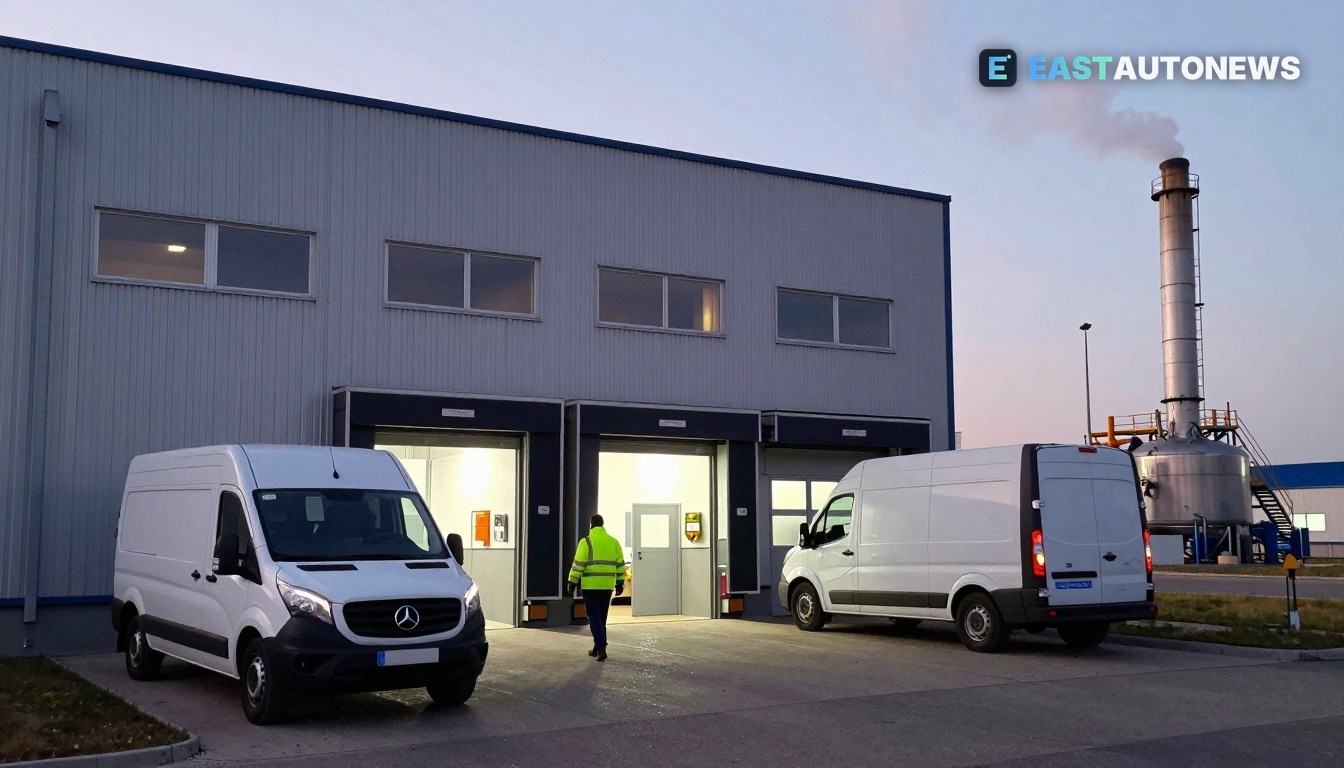
News and company filings from 9–12 November 2026 show Hungarian authorities carrying out checks at multiple sites serving the European battery and EV industry. Korean and other foreign firms operating in Hungary have been the subject of recent administrative actions: media and industry‑focused outlets report that authorities have fined firms including cell makers and ordered corrective measures, while at least one battery‑materials producer temporarily halted a plant after an environmental incident. Sources covering the events include Korean industry press and specialised battery trade outlets reporting developments between 9 and 12 November 2026.
Immediate impact on suppliers
The enforcement activity is concentrated on chemical and cell production facilities that supply cathodes, separators, copper foil and cells — inputs used by European battery‑pack makers and carmakers. Reports published 11–12 November 2026 indicate one copper‑foil producer in Hungary paused operations at a line following detection of a wastewater leak; other producers were fined and required to carry out remedial work rather than face full stoppage. Industry coverage also notes inspections and fines at some Korean cell plants in Hungary, with compliance measures imposed rather than blanket shutdowns. The actions have forced at least short‑term production adjustments at affected suppliers and triggered urgent audits and remediation programmes across the local supply cluster.
What this means for the market
The Hungarian clampdown heightens near‑term risk to Europe‑bound battery inputs. Many carmakers and Tier‑1 suppliers sourcing cells, cathodes, copper foil and separators rely on just a handful of nearby plants for volume and lead times; any extended stoppage or stricter permit conditions will raise logistics pressure, shift orders and increase qualification workloads for replacement suppliers. The measures also illustrate a regulatory‑risk premium building around rapid battery‑sector expansion in Central and Eastern Europe: as authorities step up environmental and labour oversight, suppliers must fund extra compliance work and contingency capacity — costs that can push up prices and slow ramp‑ups of battery capacity destined for CEE carmakers.
B2B vehicle marketplace on WorldTrader24 →
Sources: The Elec, MoneyToday, industry reporting (Nov 11–12, 2026)