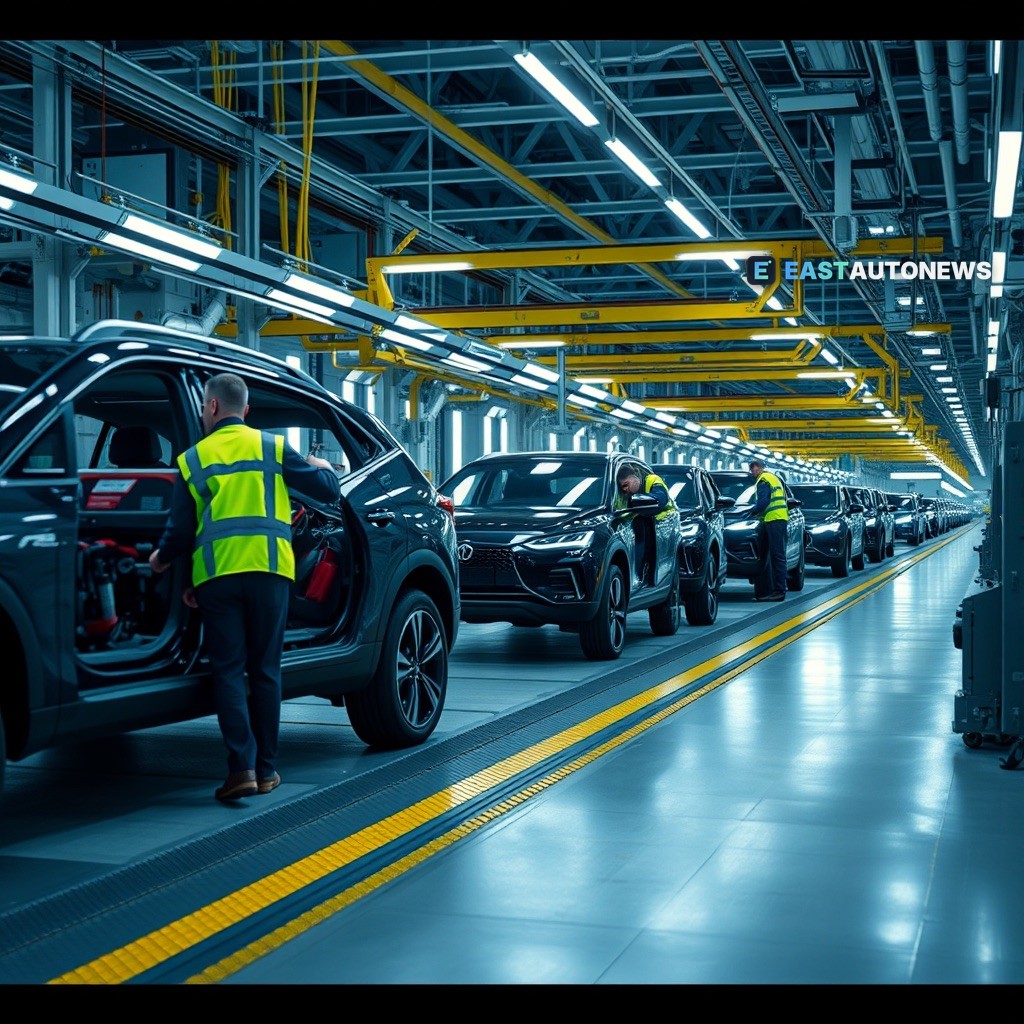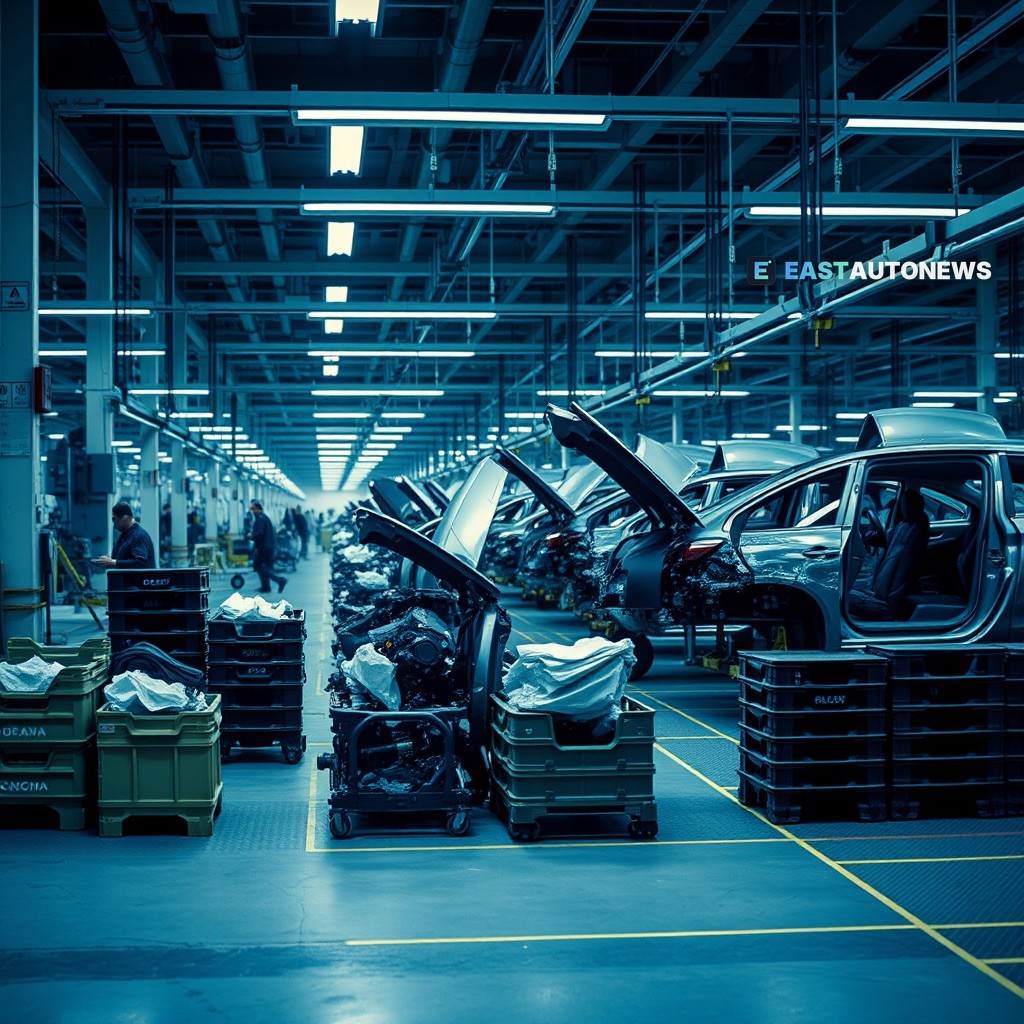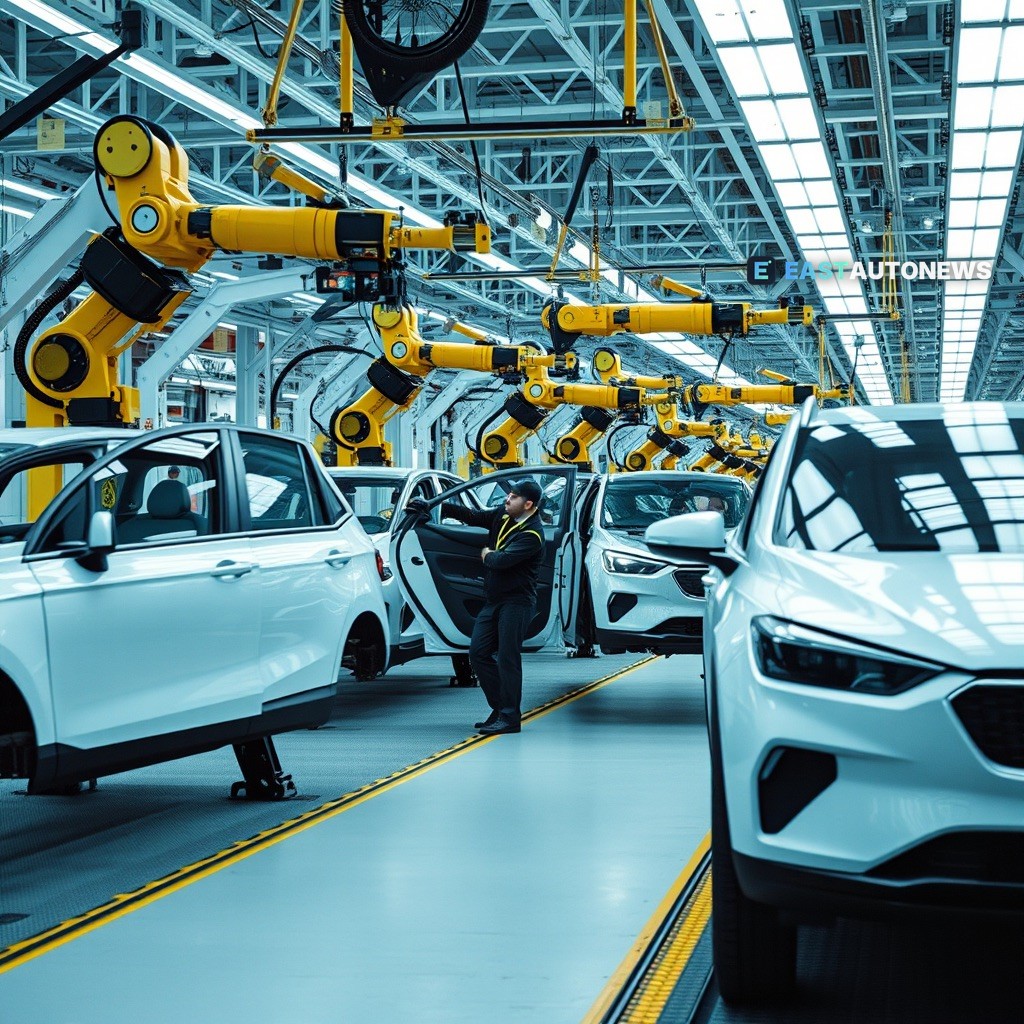
Stellantis has started building Leapmotor cars in Europe, WardsAuto reports, marking a decisive step in the localisation of Chinese automotive technology on the continent. Instead of arriving exclusively as imports, models from Chinese brand Leapmotor will now roll off a major Western automaker's European production lines — turning Chinese-brand volume from a purely competitive threat into a potential source of European value creation. For Central and Eastern Europe's dense supplier networks, the start of production is the clearest signal yet that Chinese platforms are becoming part of the region's industrial fabric rather than merely an external pressure on it.
The implications for the supply base cut both ways. Local assembly tends to pull component sourcing — from wiring harnesses to seats and electronics — closer to the plant, opening tender opportunities for regional tier suppliers already strained by the EU's 70% content test that has rattled parts makers across the bloc. Yet Chinese brands arrive with their own cost benchmarks and established supplier relationships, meaning European firms will have to compete hard for a place on the bill of materials. WardsAuto's wider coverage also flags a Brampton sale and looming tariffs as further variables shaping the global manufacturing calculus around Stellantis's footprint.
The propulsion landscape is shifting in parallel. The 2026 Wards 10 Best Engines & Propulsion Systems awards have gone entirely to electrified powertrains — a shift WardsAuto itself describes as historic. For a supplier region still carrying heavy combustion-era investments, the message is unambiguous: demand, platform decisions and capital are consolidating around electric drives, batteries and power electronics, and component makers from the Baltics to the Balkans are retooling accordingly.
Regional policy is moving in the same direction. Latvia and Estonia have signed a Memorandum of Understanding to cooperate on strategic reserves, with the forum that hosted the signing dedicated to defence, dual-use technologies and high-tech industries, Bytes Europe reports. For Eastern Europe's automotive suppliers — many of whom already serve adjacent high-tech sectors — deeper Baltic industrial cooperation points toward more resilient supply structures and new dual-use business avenues alongside the electrification push.
As Chinese-brand models built in Europe widen the choice of electrified vehicles on the continent's roads, careful price comparison becomes all the more worthwhile for buyers and dealers alike. Those in the market can find sensational cars at sensational conditions at WorldTrader24, Europe's marketplace with more than 70,000 vehicles — from electrified newcomers to established bestsellers.