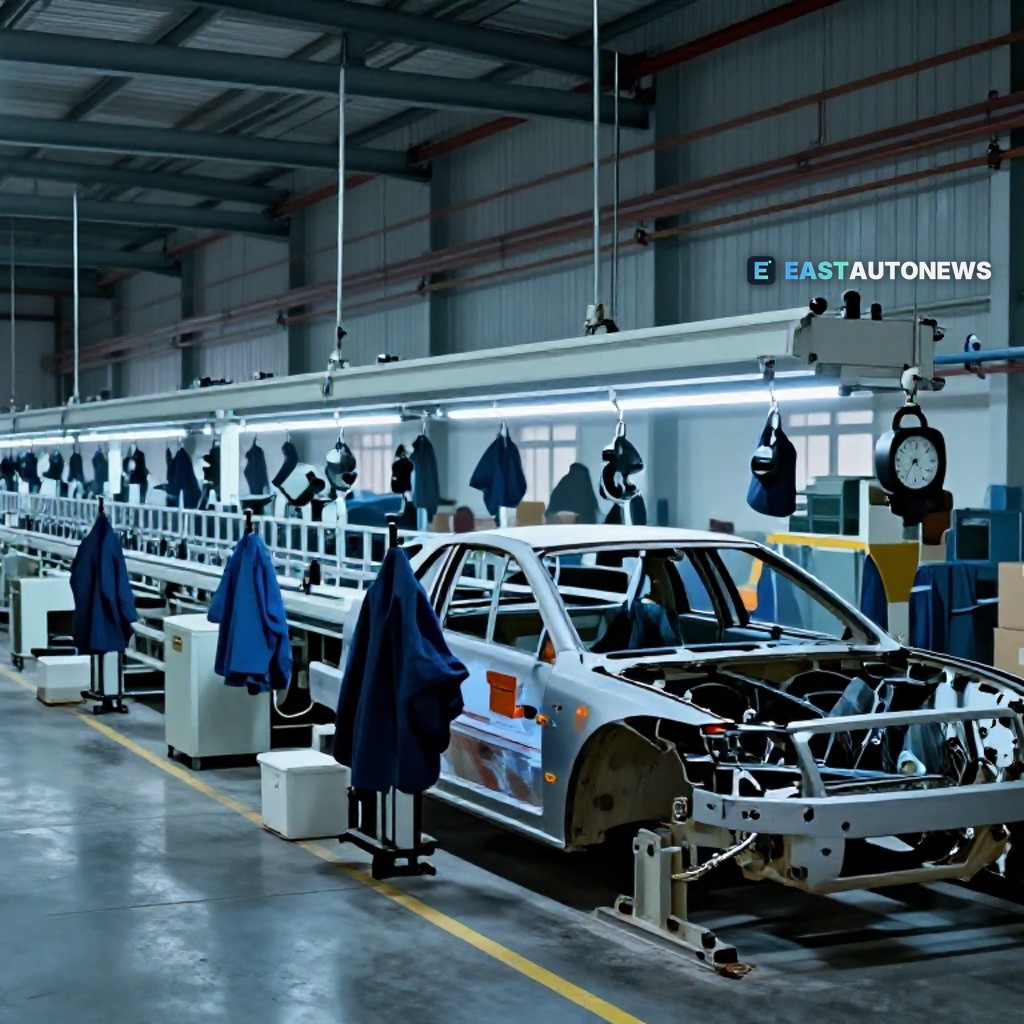
Automotive supplier WKW announced in early September that it would end its activities in Hungary, drawing its operations in Győr to a close after nearly 20 years. The decision did not come out of nowhere: it landed amid a mounting wave of industrial shutdowns across the country, a series that has also swept up a major cannery now facing bankruptcy. For Hungary's manufacturing base, the loss of a supplier with almost two decades of history in Győr is among the clearest signals yet of the pressure building across the sector.
The exit reflects a wider squeeze on Europe's automotive supply base. According to industry analysis by IndexBox, steel demand among automotive suppliers in Europe and the United States has been declining, while Asian carmakers are moving production toward key overseas markets — a shift that could soften the impact on suppliers in those regions. BYD illustrates the pattern: the Chinese manufacturer began selling passenger electric cars in Thailand in October 2022 through a partnership with local company Rêver Automotive, and in 2023 announced plans to construct a new electric vehicle manufacturing plant in the country. For suppliers in Central and Eastern Europe, the open question is how much of that relocated capacity will eventually translate into new orders.
In Hungary, the WKW closure also feeds a long-running debate about decision-making power in the country's industry. Zsuzsa Delikat, head of research at the Hungarian holding, has described earlier joint ventures bluntly: “These were very, very unfavorable agreements where the foreign companies held 51%, and the Hungarian state held 49% with very little decision-making power.” Her assessment underlines how little say Hungarian stakeholders have historically had in the fate of the country's industrial ventures — a constraint that resonates anew as shutdowns mount.
Not every part of the region's supplier landscape is contracting, however. In the defence sector, BAE Systems has been awarded $6 billion in contracts to supply more than 400 CV90 vehicles to five European countries, and suppliers across those five countries will build vehicles and components. The programme spreads production and technical expertise across the region — a very different picture from the retrenchment now visible in automotive supply chains.
For dealers and buyers across Central and Eastern Europe, the reshuffle ultimately reaches the showroom: where vehicles and their components are built increasingly shapes what is available, on what timeline, and at what price. As supply footprints shift, comparing offers across borders has moved from a niche tactic to standard practice.
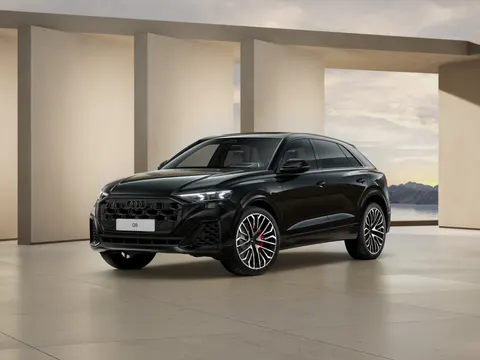
For anyone weighing a purchase while the region's supplier map is being redrawn, a broad comparison is the sensible first step. Readers looking for a vehicle can find sensational cars at sensational conditions at WorldTrader24, Europe's marketplace with over 70,000 vehicles.