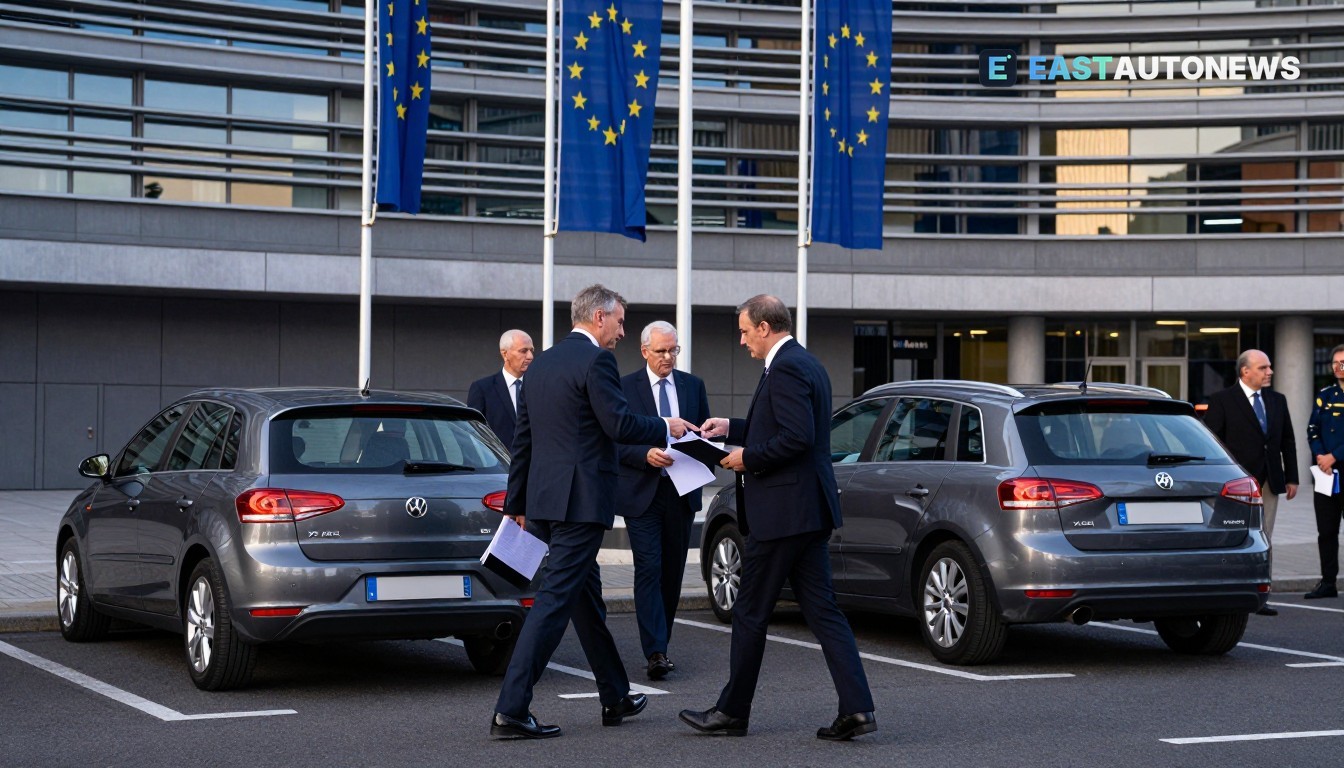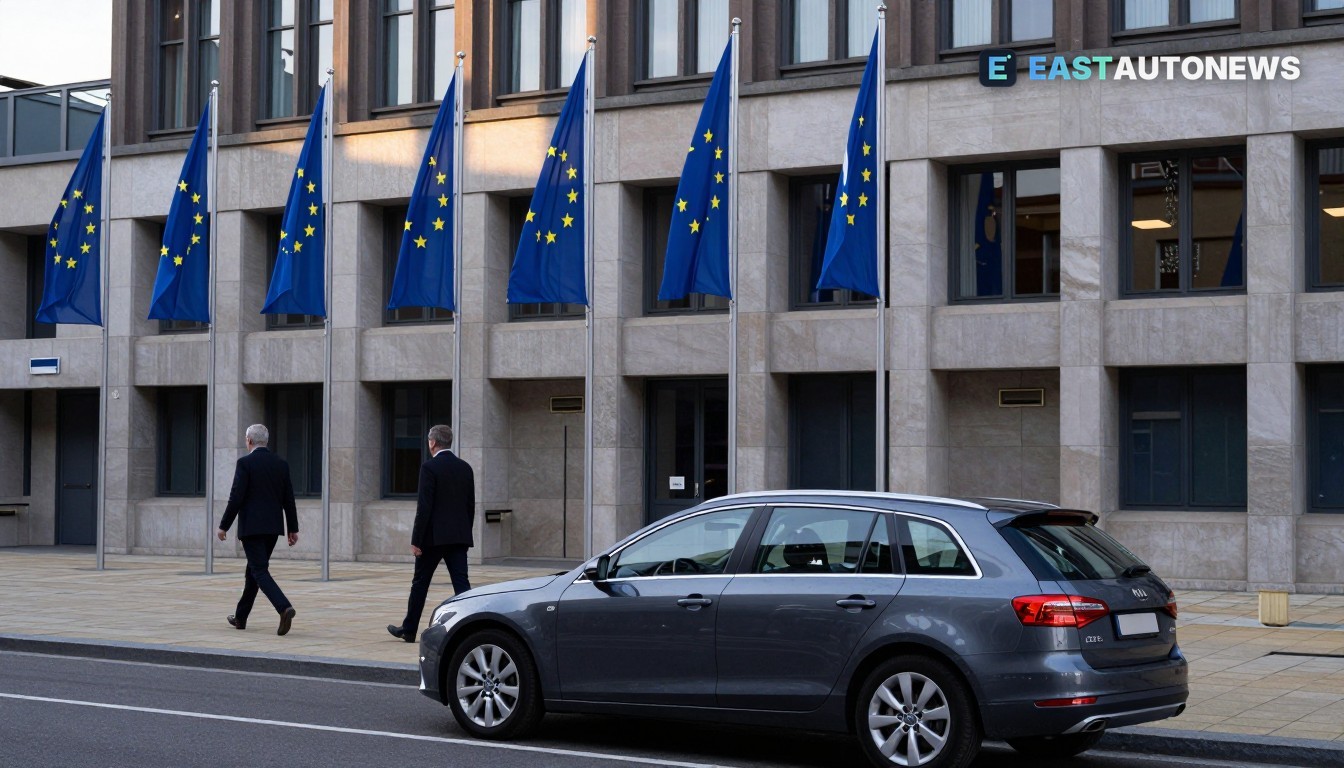
On 20 November 2026 the EU’s Committee of Permanent Representatives (Coreper) approved the screening results for Ukraine’s negotiating clusters 4 and 5, clearing the last two unopened clusters and removing a major procedural obstacle to opening talks on transport, energy connectivity and agriculture. The decision followed a signal from Hungary that it would lift its previous veto, allowing the items to be placed on Coreper’s agenda and approved without debate.
What the clusters cover
Cluster 4 is labelled “Green agenda and sustainable connectivity” and includes transport, trans‑European networks and related environmental rules; cluster 5 covers “Resources, agriculture and cohesion policy.” Coreper’s approval endorses the Commission’s screening of Ukrainian laws against EU acquis requirements for those policy areas and permits the EU to invite Ukraine to submit negotiating positions for the two clusters.
Next formal steps and timeline
Approval of screening results is a necessary but not sufficient step: the formal opening of negotiations and adoption of EU negotiating positions still require unanimous agreement by EU member states and completion of preparatory work by Council presidencies. Reports say the Council’s intergovernmental calendar envisages further ministerial and working‑party action in December, with a General Affairs Council slot on 15 December flagged as the next milestone for intergovernmental conferences.
What this means for the market
For Central and Eastern Europe’s automotive and logistics sectors, the step is politically significant. Cluster 4 explicitly covers transport policy and sustainable connectivity (TEN‑T, road and rail rules, cross‑border corridors) that shape freight flows, border procedures and infrastructure funding — all critical to car manufacturing supply chains that crisscross the Black Sea and overland routes through Poland, Romania and the Baltic states. Progress on these chapters opens the door to EU‑managed funding and regulatory alignment that can lower friction in cross‑border parts flows and reconstruction‑linked projects that will absorb supplier capacity.
Practical effects will take time. Unanimous agreement is still needed to move from screening to formal negotiations, and benchmarks on rule‑of‑law and anti‑corruption measures remain part of the broader accession calendar — meaning accelerated market access is unlikely this year. Nonetheless, the Coreper decision removes a political block that has been cited by investors and logistics planners as a source of uncertainty for capacity decisions across CEE.
Available vehicles now on WorldTrader24 →
Sources: MediaVisnyk, Eurointegration, European Pravda