Spain’s secretary of state for industry told an industry forum this week that the government intends to commit at least €400 million to extend the Plan Auto+ purchase incentive into 2027, and that funds for next year could be applied retroactively if the 2026 allocation is exhausted. The announcement came at the II Foro de la Tribuna de la Automoción and was confirmed by the ministry, which says the 2026 programme has already committed nearly all its budget.
What was announced, and when
On 27 November 2026 Secretary of State Jordi García Brustenga told attendees that the ministry would seek to keep the Plan Auto+ at a minimum of €400m for 2027 and that the government could make that commitment retroactive “from the day after the 2026 funds are exhausted”. The ministry’s figures cited at the event show the 2026 scheme has committed about 97% of its €400m budget and registered roughly 125,000 applications so far.
Brustenga framed the pledge as conditional on the current government remaining in office after the national election (29 November 2026) and on subsequent formal budget and regulatory steps: there is no published decree or final appropriation for the 2027 carry‑over yet. One account quoted him saying, in Spanish, “Es lo que haríamos si seguimos en el Gobierno.” ("That is what we would do if we remain in government.").
Why the move matters to manufacturers and dealers
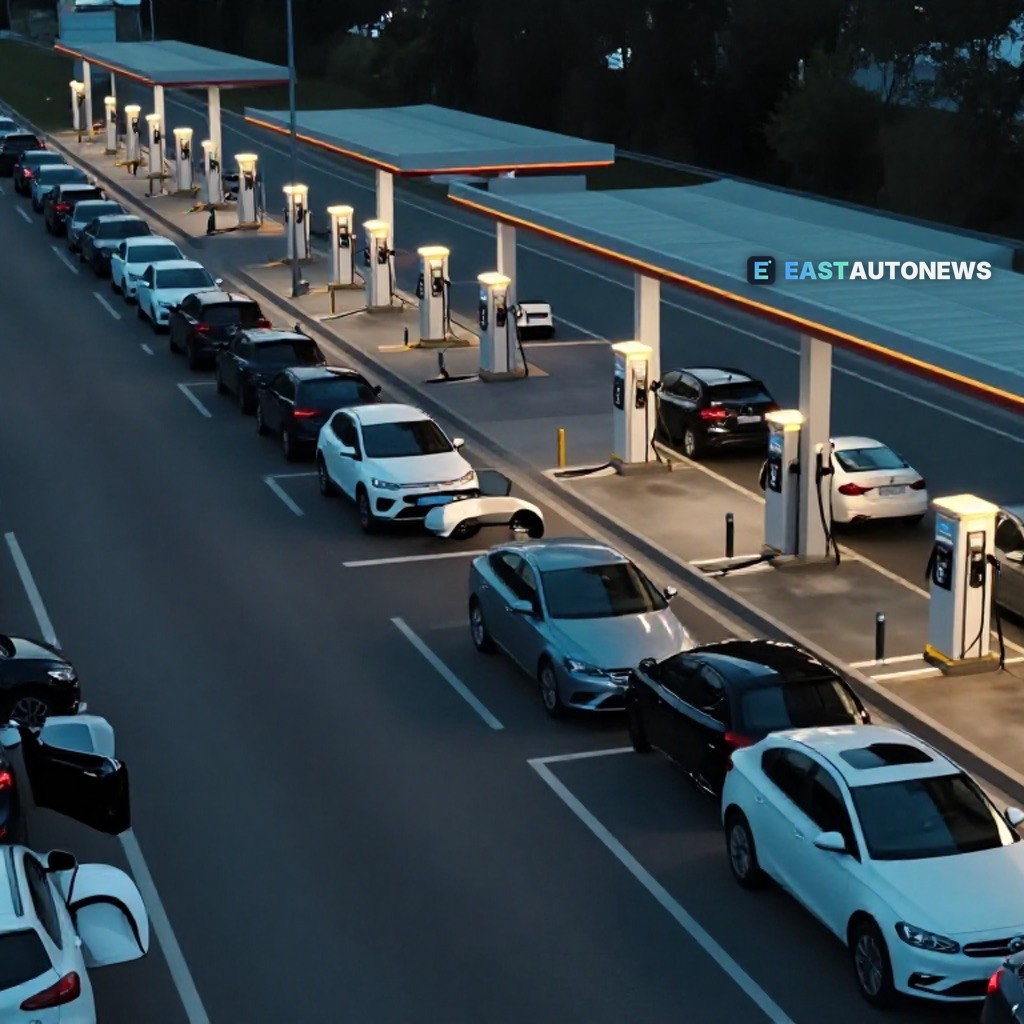
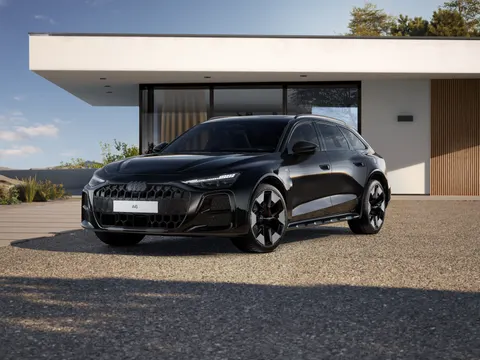
The Auto+ scheme is targeted at battery electric vehicles and plug‑in hybrids; organisers and the ministry say around two‑thirds of the 125,000 applications relate to pure battery models, with the remainder split across plug‑in hybrids. Keeping the €400m floor would sustain demand into 2027 and help factories and dealer networks smooth production and inventory decisions—important for manufacturers with assembly or supplier footprints in Spain and neighbouring markets.
But the plan as described is a policy intention, not a final legal measure: the ministry must still publish implementing rules and secure budget lines. That creates a timing risk for buyers who contract in late 2026 and early 2027: unless the retroactive mechanism is formalised, purchases made in the gap could face delayed or no subsidy payments. Observers point to past Spanish subsidy rollovers where administrative timing left buyers waiting months for payment.
What this means for the market
Short term, the pledge should prevent an abrupt drop in Spanish BEV and PHEV retail demand at year‑end by signalling continued support; Spanish OEM production sites and Spanish supply chains (notably at Stellantis, SEAT/Volkswagen and other manufacturers with plants in Spain) stand to benefit from steadier order intake. However, the pledge's conditionality (electoral outcome, regulatory orders and budget passage) means dealers and corporate fleet purchasers will still face uncertainty when scheduling deliveries and registrations in December and January. The risk is a modest, temporary distortion to order timing rather than a structural market change — but one that matters to OEM logistics and CEE suppliers that rely on predictable Spanish demand.
For exporters and suppliers in Central and Eastern Europe the Spanish decision is a reminder that national demand‑side policies in western EU markets can shift procurement windows quickly. Firms that supply components to Spanish plants or that route cars via Spanish logistics hubs should watch for the ministry’s implementing measure and the formal budget allocation in the coming weeks.
Hybrid vehicles listings on WorldTrader24 →
Sources: Merca2, Qué!