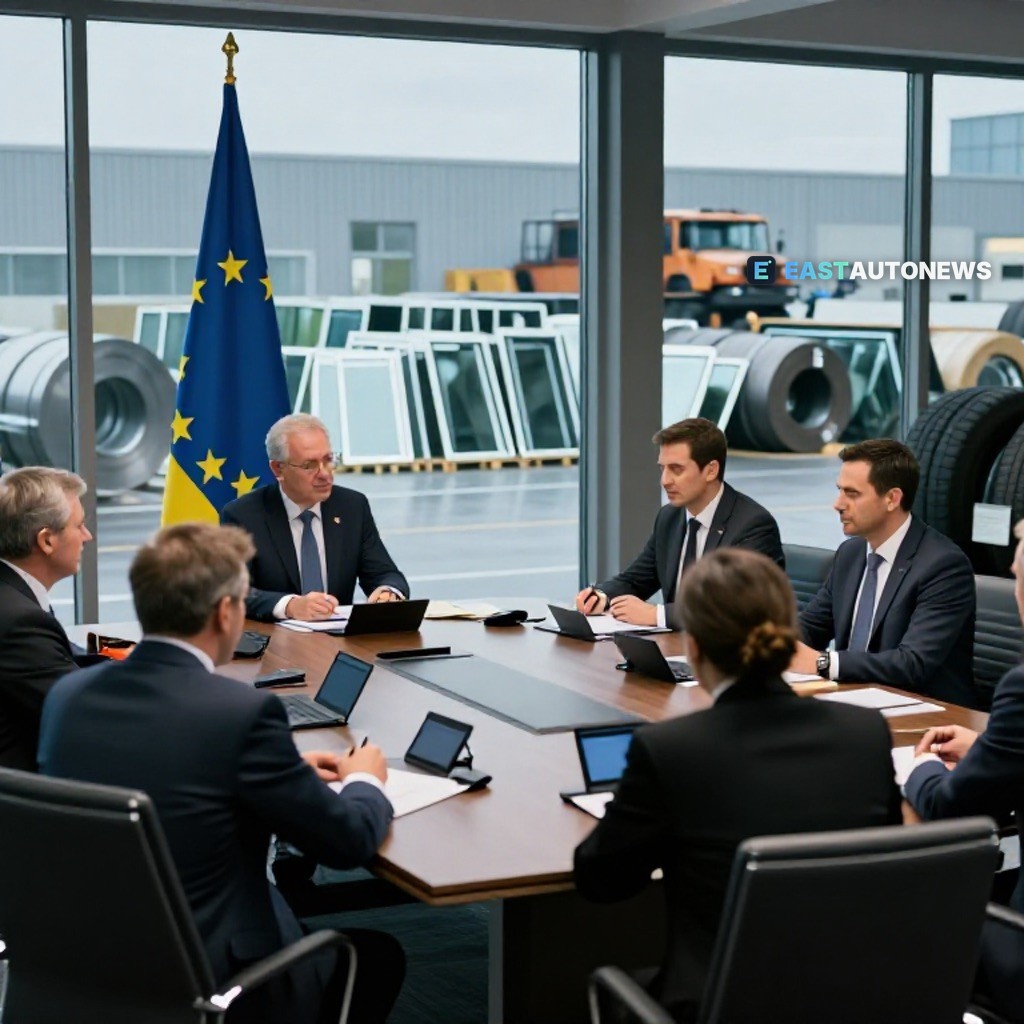
On 19 November 2026 the European Commission decided to refer Poland (case INFR(2021)2067) to the Court of Justice of the European Union for failing to fully and correctly transpose the Seveso III Directive (Directive 2012/18/EU), citing gaps on safety‑report content and public availability, emergency plans, land‑use planning and post‑accident actions by authorities.
What the Commission said
The Commission notes that it opened the procedure with a letter of formal notice in June 2021 and issued a reasoned opinion in December 2024; although Poland replied and accepted the need for changes, the national law has not been amended and the Commission judged progress insufficient, prompting the referral.
The Seveso regime sets preventive obligations for establishments handling dangerous substances and requires public access to safety information and properly tested external emergency plans — requirements the Commission says are not yet fully reflected in Polish law.
Why this matters to the auto industry
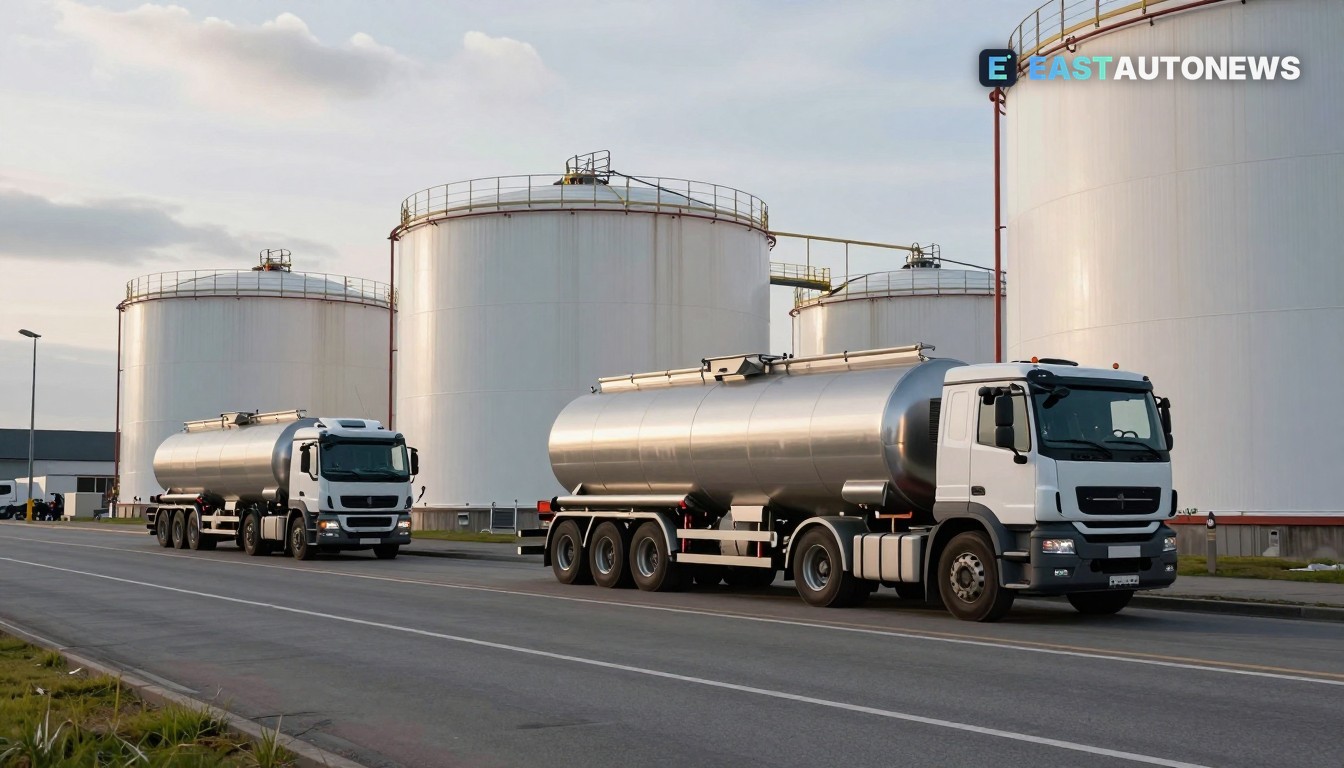
Seveso rules apply to industrial activities that include chemical production and storage, fuel terminals and other sites that store or use hazardous substances — categories directly relevant to automotive manufacturing and its supply chain (paints, solvents, battery chemicals, fuel storage). EU reporting showed some 11,776 establishments reported under Seveso in the 2015–2018 reporting cycle, illustrating the scale of installations covered across the Union.
Although the Commission’s referral is a legal escalation rather than an immediate sanction, it formalises EU concern about Poland’s framework for prevention and public information and could accelerate domestic law changes or operator obligations once the Court engages. The Commission’s press package places the decision in its November infringements package announced 19 November 2026.
What this means for the market
Automotive manufacturers and tiers with operations or suppliers in Poland should expect a period of regulatory scrutiny. Firms that operate or rely on fuel depots, chemical warehouses, surface treatment and battery‑cell suppliers will want to review whether their safety reports, emergency arrangements and public information practices meet the formal Seveso requirements now highlighted by the Commission. The referral increases the risk that national implementing rules will be tightened or clarified by court ruling or by subsequent Polish legislative changes.
For investors and plant planners in Central and Eastern Europe, the move underlines that transposition gaps in member‑state law can become an industry‑level compliance issue with knock‑on timing and permitting consequences. Companies should monitor court developments and any Polish legislative responses closely, and assess potential impacts on permitting timelines and community consultation processes.
Electric vehicle listings on WorldTrader24 →
Sources: European Commission, 2eu.brussels, EUR‑Lex