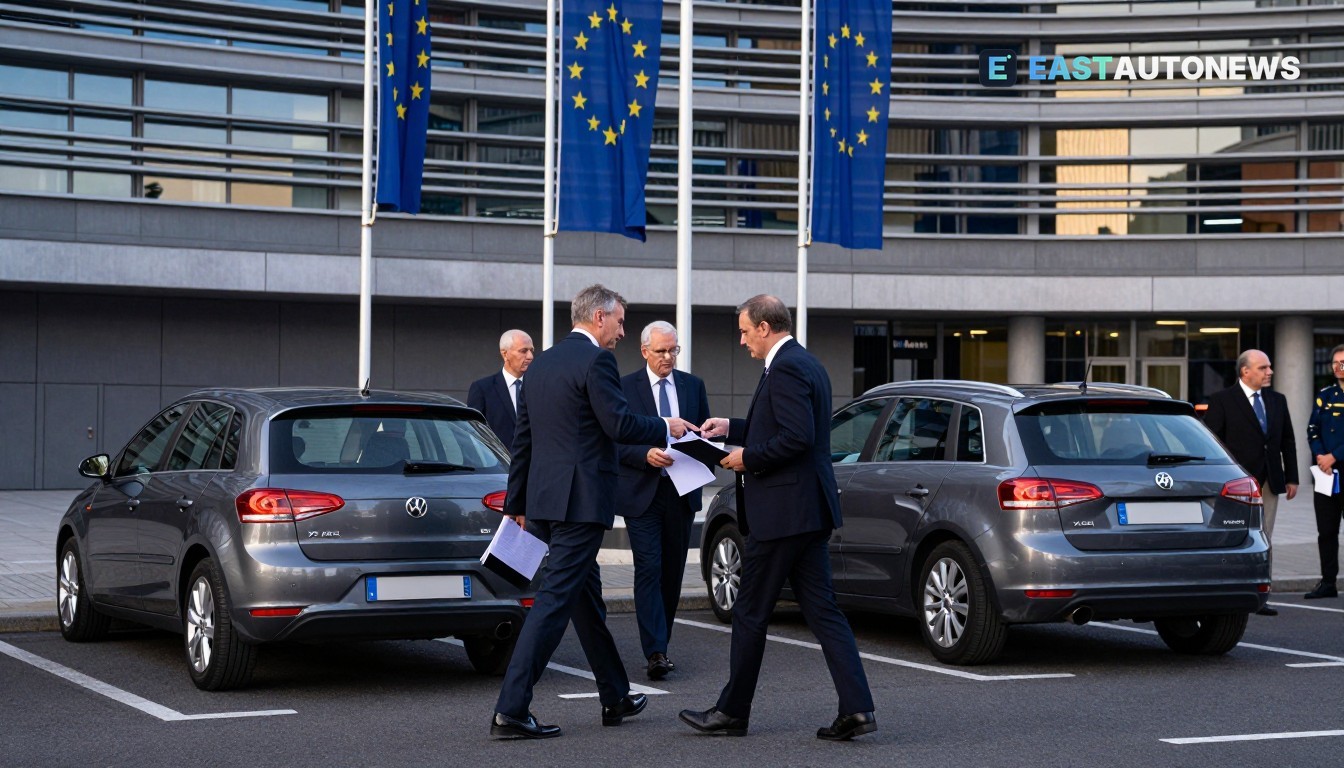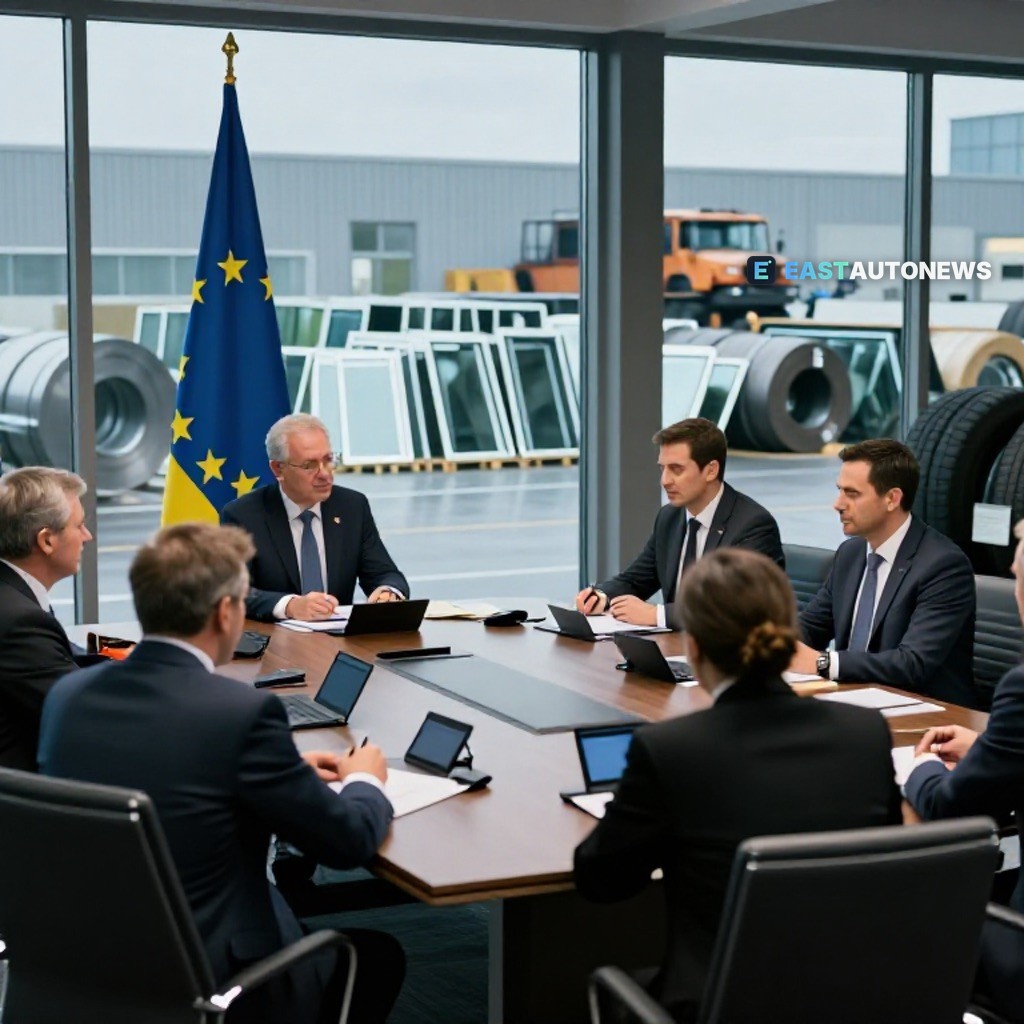
Four of Europe's leading industry associations — automotive suppliers' group CLEPA, steel federation EUROFER, Glass for Europe and Tyres Europe — have jointly called on EU institutions to strengthen the Industrial Accelerator Act. The groups warn that the draft text alone cannot restore automotive competitiveness and must be paired with further measures, according to the joint appeal reported by IndexBox. The intervention signals that supplier industries across the automotive value chain — from steel and glass to components and tyres — view the current proposal as insufficient for the scale of the challenge facing European manufacturers.
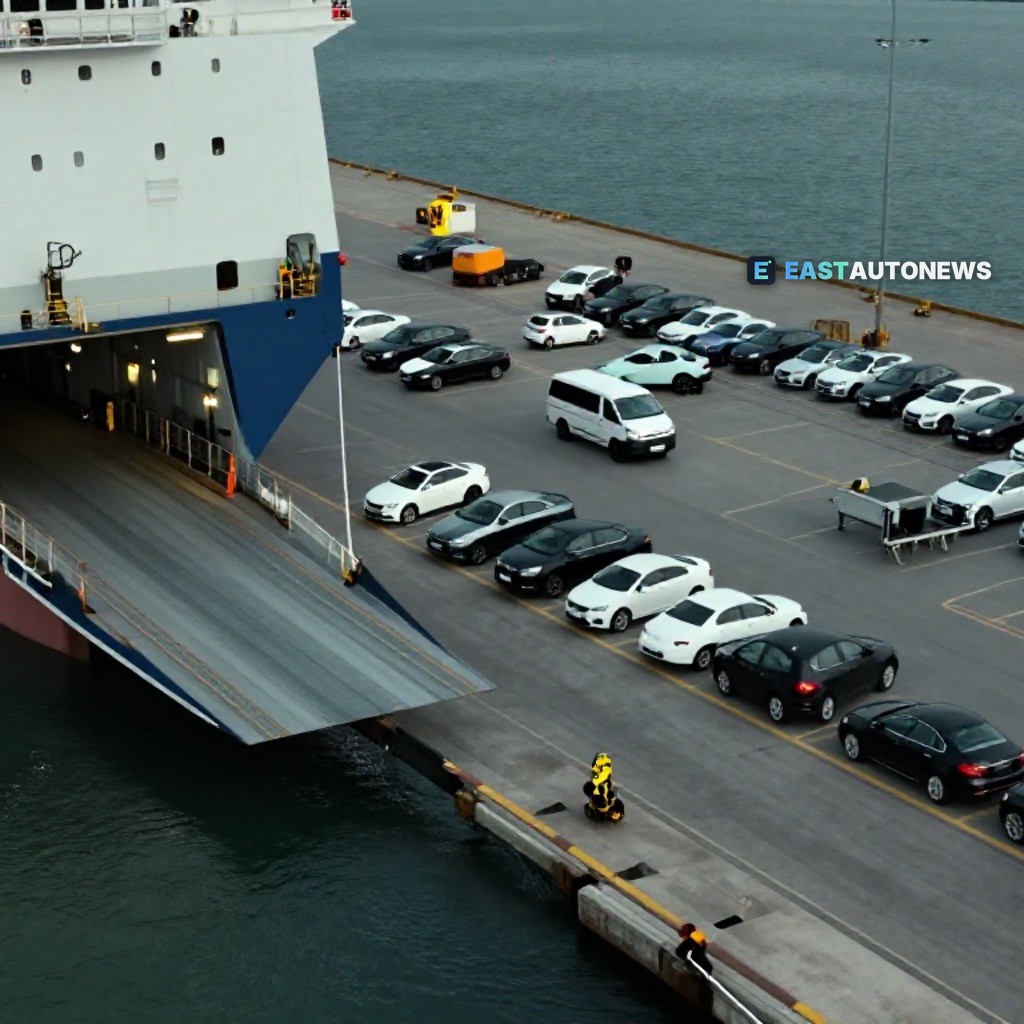
The pressure on policymakers is underlined by trade figures. The Commission's safeguard regulation records, cited by EuropeSays, show imports of vehicles from China rising from 106,542 in 2024 to 302,403 in 2025, and reaching 486,582 in the twelve months to June 2026. The overall import figures continue to climb even as the EU's quota action has halved the pace of China's hybrid imports, as previously reported by EastAutoNews — a sign that total flows are still growing despite targeted restrictions.
Meanwhile, a major regulatory deadline lands this weekend. The EU's Euro 7 regulation, Regulation (EU) 2024/1257, starts to apply on Sunday, Nov. 29, 2026, to type approvals of new car and van models. The rule brings the first limits on brake-particle emissions (3 mg/km) along with new battery requirements, meaning every new model seeking EU type approval from that date must meet the stricter standards.
Driver-assistance technology is also advancing through national approvals. Tesla has secured national approval for its self-driving system in 12 EU countries, with Italy becoming the latest to authorize the system after the Netherlands, Lithuania, Estonia, Denmark, Belgium, Slovenia, Czechia and Croatia, among others. The breadth of Central and Eastern European countries on the list — from the Baltics to the heart of the region — points to markets that are increasingly included in the rollout of automated driving features.
For Central and Eastern European markets, the combination of a sharpened industrial policy debate, new type-approval requirements and expanding technology approvals sets the agenda for the months ahead. New models reaching regional showrooms will increasingly reflect Euro 7 compliance, while the competitiveness discussion will shape where future vehicle and component production is anchored.
For dealers and buyers, the practical effect of these policy shifts is best assessed by comparing what is actually available on the market — and at what price. Readers looking for a vehicle can find sensational cars at sensational conditions at WorldTrader24, Europe's marketplace with over 70,000 vehicles.