Romania’s government has pledged a package of fiscal measures aimed at bolstering the automotive sector, including the full elimination of the minimum turnover tax (IMCA) from 1 January 2027. Prime Minister Luca Niculescu announced the measures at the Automotive Industry Forum on 10 November 2026, and described the auto sector as “an important pillar of the Romanian economy” with turnover above €30 billion and a contribution of more than 13% of GDP.
The package: tax, depreciation and TechUp
The measures Niculescu set out include: elimination of IMCA from 1 January 2027; a super‑accelerated depreciation rule for new assets put into service in 2026 allowing companies to deduct 65% of the fiscal value of eligible technological equipment, machinery, tools and installations in the first year; and a refundable tax credit equal to 10% of eligible R&D spending available from 2026. The prime minister also highlighted the TechUp România programme, a multiannual fund of “more than RON 5.3 billion” intended to support investments in mobility and autonomous systems, green energy and storage, microelectronics and artificial intelligence.
Government and business groups say the measures are intended to keep production, engineering and R&D on Romanian soil and to help suppliers move up the value chain. The Foreign Investors Council and other business organisations have been engaged in talks with the government on fiscal predictability and operational details of state aid schemes.
What this means for the market
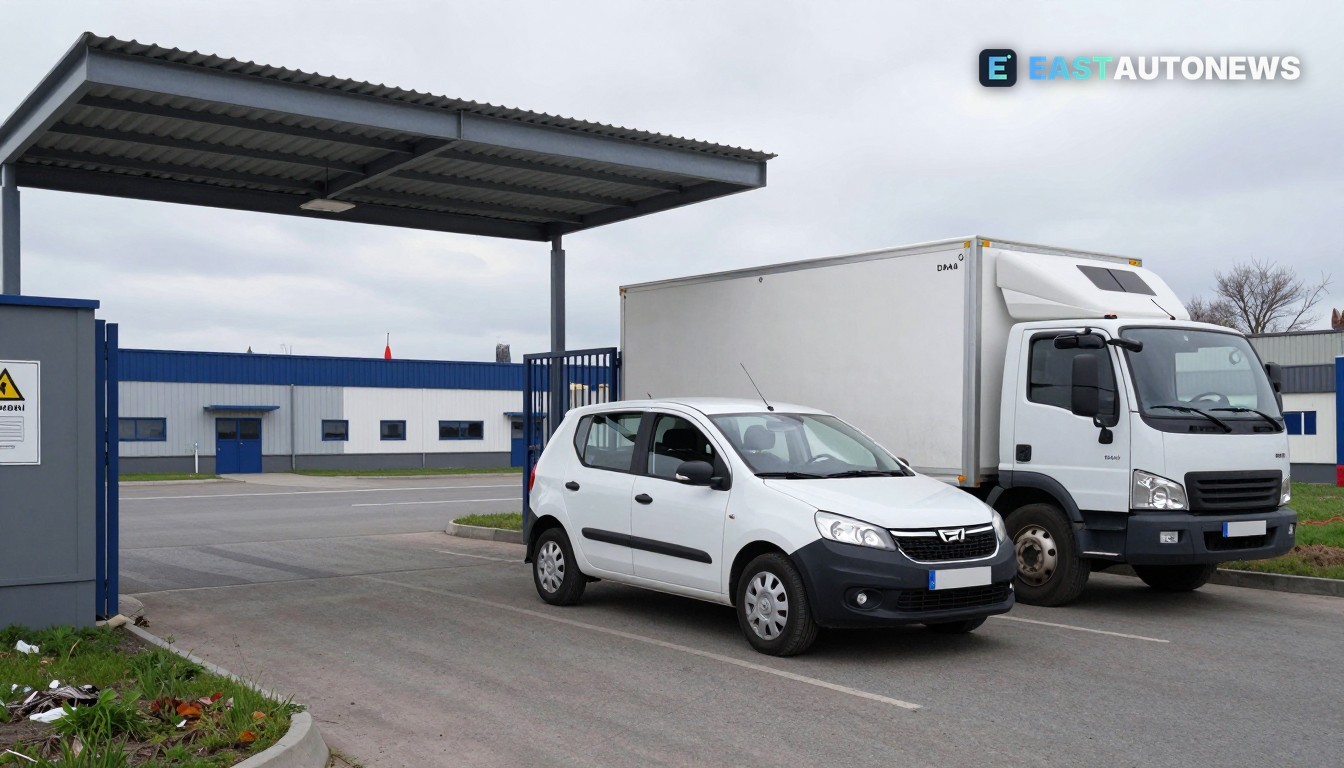
For OEMs and suppliers operating in Romania — notably large employers and investors such as Dacia and other components makers cited by the prime minister — the removal of IMCA and the depreciation incentive lower the near‑term tax burden on capital expenditure and speed payback on factory modernisation. Policymakers framed the moves as tools to retain not only assembly activity but also engineering, design and R&D centres.
Practically, accelerated depreciation (65% in year one for assets commissioned in 2026) and a refundable 10% R&D credit reduce effective cash cost for investment and innovation, which may make factory upgrades and localisation of component production financially more attractive — particularly for supplier tiers that have been weighing expansion in Central and Eastern Europe. The TechUp fund, at RON 5.3 billion (multiannual), creates a targeted pool to co‑fund strategic projects in microelectronics, battery storage and autonomous mobility that are directly relevant to vehicle electrification and software‑intensive platforms.
The measures arrive as European OEMs and suppliers reassess production footprints under tighter emissions rules and growing competition for investment. Romanian officials argue the package increases predictability and competitiveness for a country that in 2025 became the EU’s seventh‑largest car producer. Whether the incentives translate into concrete additional investment will depend on implementation details, state‑aid approvals and how quickly companies can convert tax relief into capital projects.
B2B vehicle listings on WorldTrader24 →
Sources: AGERPRES, The Diplomat Bucharest, Financial Intelligence, Foreign Investors Council