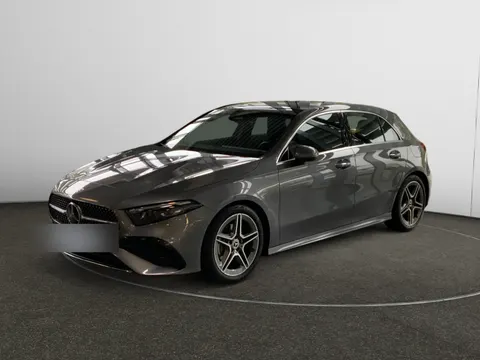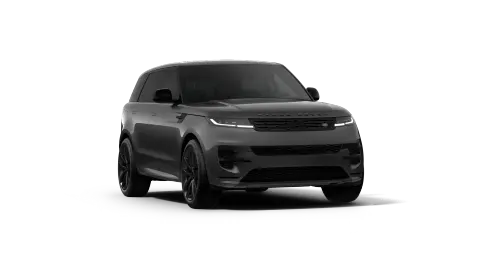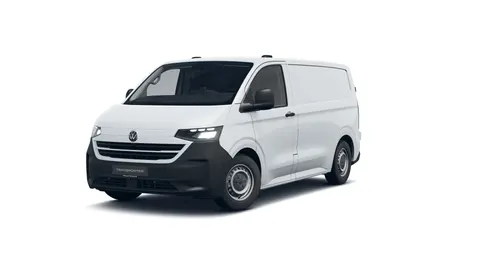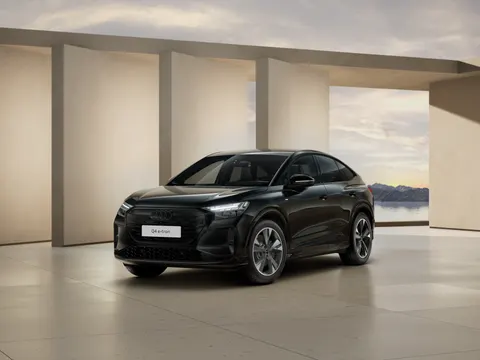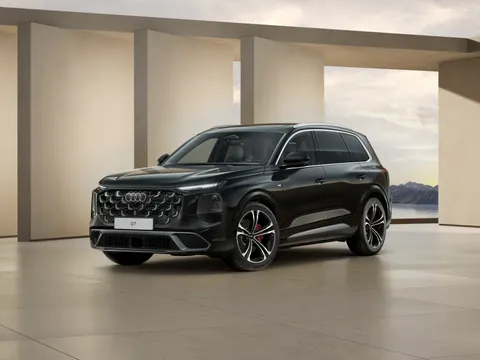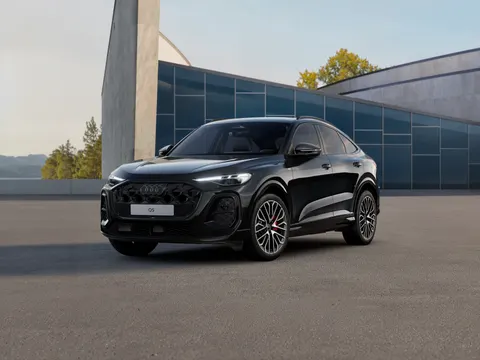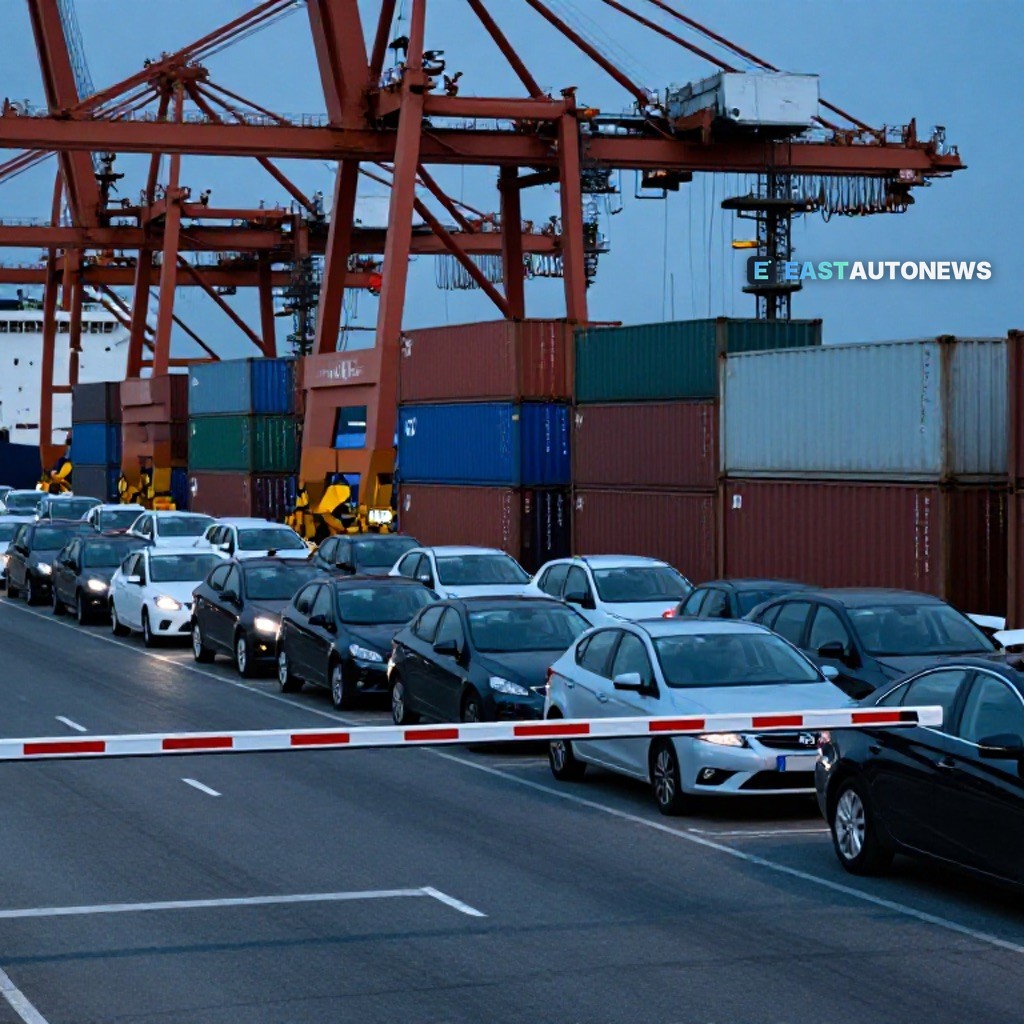
A draft EU proposal would set annual quotas on hybrid imports — plug-in hybrids included — from China, Japan, Turkey, the United Kingdom and other countries, Automotive News reports. The caps are designed to shield European automakers and push production towards local plants. For manufacturers, importers and dealer networks across Central and Eastern Europe, the draft signals that hybrids are now contested industrial-policy territory rather than a transitional stopgap.
The proposal arrives at an awkward moment for the industry. Carmakers are simultaneously managing the EU's and the UK's EV rules — the subject of fresh attention around the COP31 climate talks — and defending market share against imports. If the annual caps are adopted, hybrid sourcing strategies could shift across the continent, with knock-on effects for availability and pricing well beyond Western Europe's borders.
The cost pressure behind such policy demands is already visible in corporate behaviour. Stellantis is withdrawing from auto racing in Europe as CEO Filosa accelerates the group's cost-cutting plan, Bloomberg reported this week — a turnaround that has so far struggled to win over investors. The company has confirmed it is winding down its European motorsport programmes, a decision that will see Opel and Citroën exit Formula E at the end of the 2027 season.
Stellantis' posture on regulation, meanwhile, cuts in more than one direction. In the United States, the group endorsed the Transportation Freedom Act in March 2025, a bill that would weaken and repeal many of the emissions regulations governing passenger vehicles. Yet it is also among the manufacturers investing in a more circular future: Volkswagen, Toyota, Stellantis and BMW are all putting money into industrial vehicle dismantling, remanufacturing and closed-loop material recovery. As Automotive Manufacturing Solutions framed it, there was no deal at COP31 — but carmakers cannot stand still.
For the regional trade, the practical move while the draft works its way through Brussels is to keep sourcing options open. Dealers and buyers can benchmark hybrid and electric availability across borders on WorldTrader24.de, Europe's marketplace with more than 70,000 vehicles, giving importers a clearer view of stock and pricing before any quotas could take effect.
Policy shifts like import caps have a habit of moving prices and availability faster than buyers expect, so comparing offers early pays off. Anyone looking for a vehicle will find sensational cars at sensational conditions at WorldTrader24, Europe's marketplace with over 70,000 vehicles.