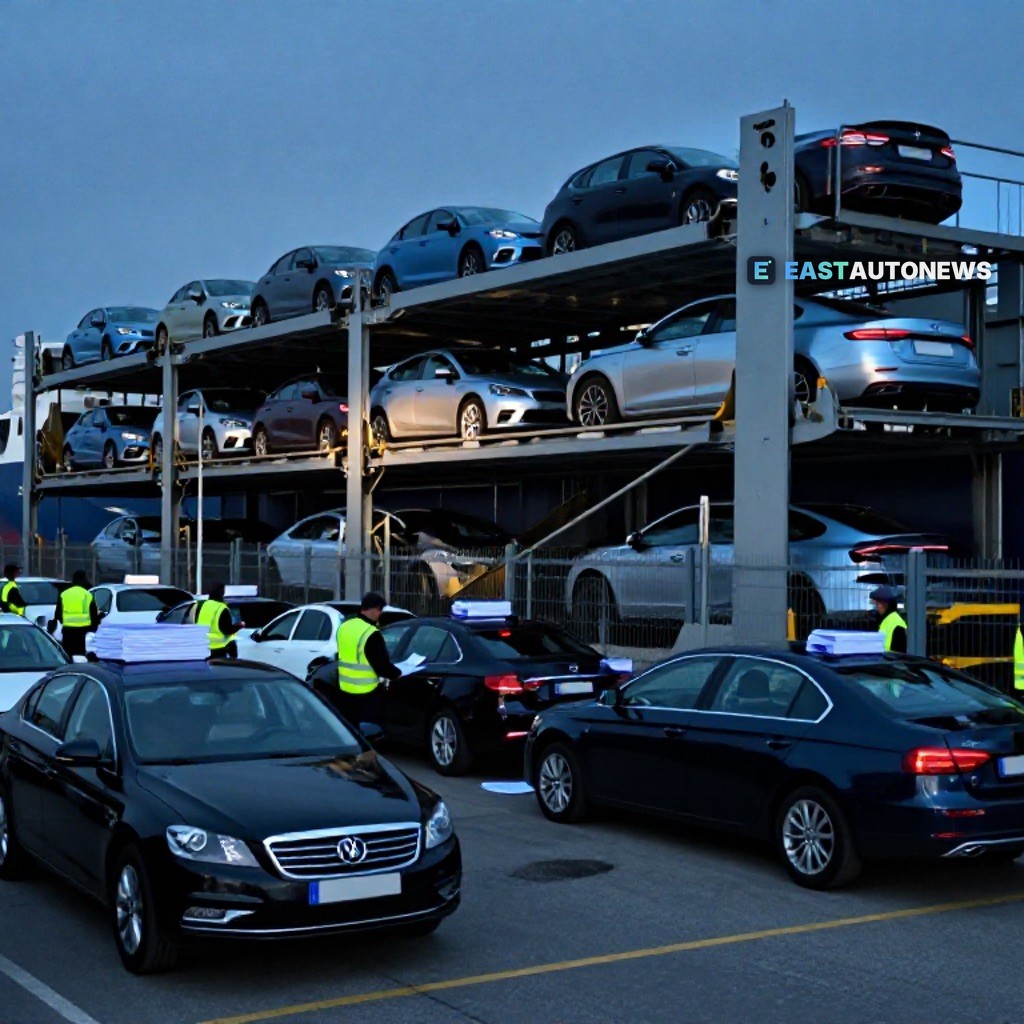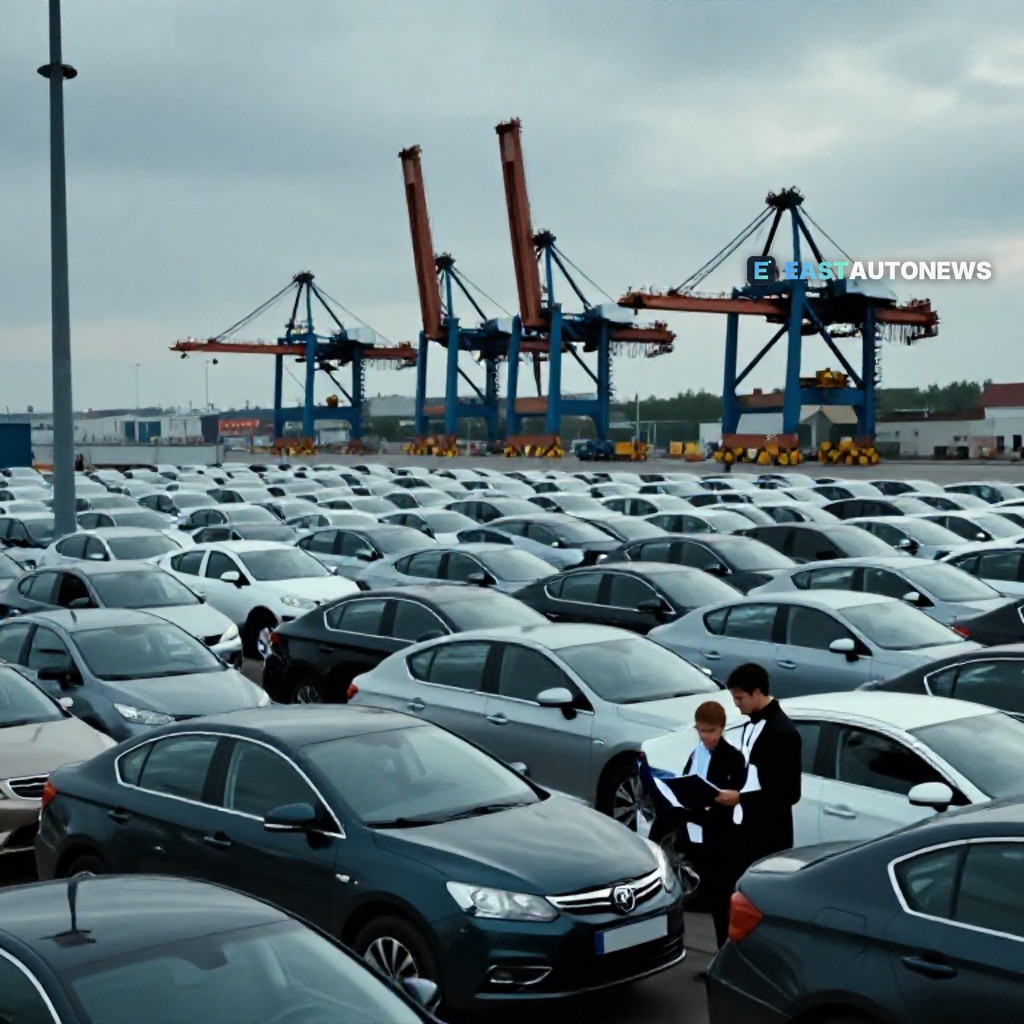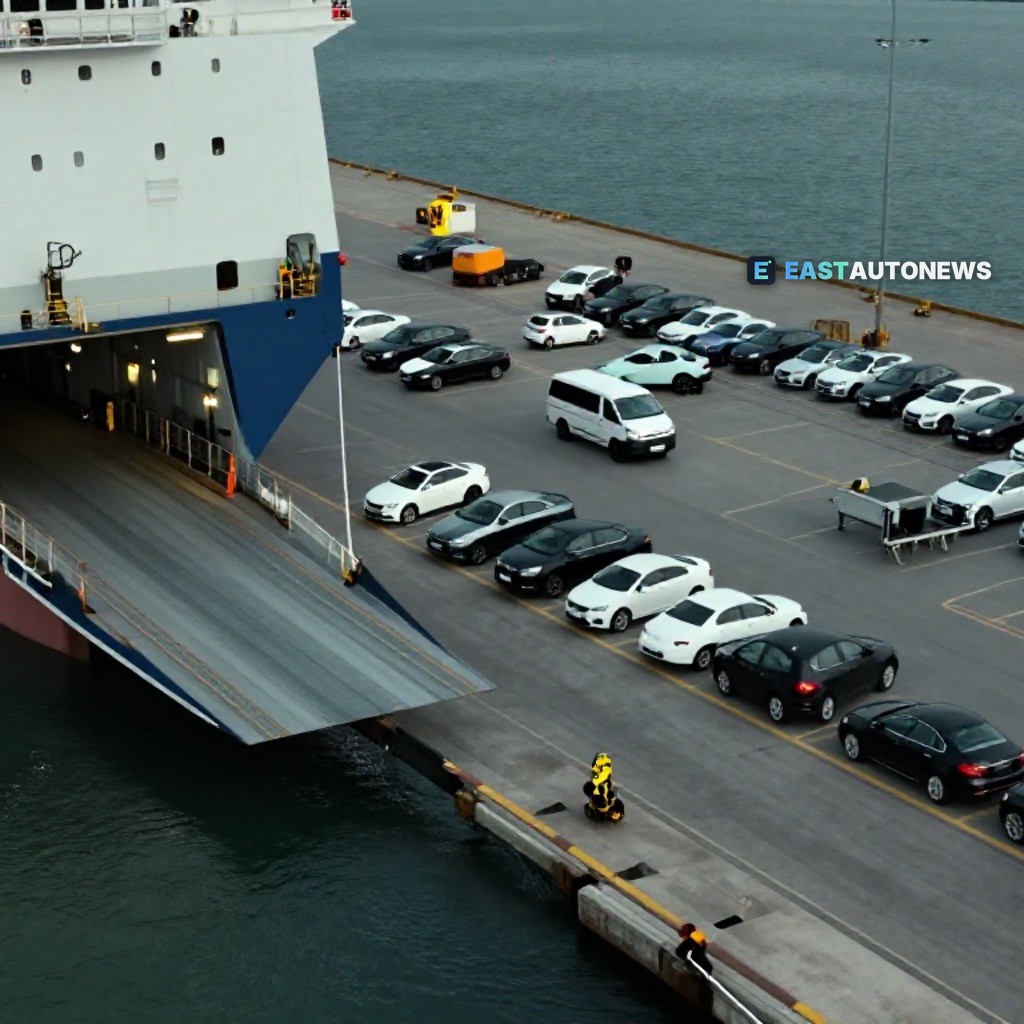
The European Union has introduced provisional quotas on hybrid car imports, a policy step that halves the pace at which Chinese-built hybrids are reaching the European market. The clampdown lands squarely in a segment that many Central and Eastern European buyers have treated as a practical bridge between combustion and battery power. For the region's dealers, the immediate question is what the caps will mean for model availability and list prices over the coming quarters.
The quota debate has also laid bare how deeply Chinese supply chains run inside European production. The new Renault Twingo E-Tech, although assembled in Slovenia, relies on Chinese suppliers for about 46% of its components — a figure that illustrates why import caps are difficult to draw cleanly. Mercedes-Benz, meanwhile, has reportedly frozen investments in its German operations, according to the report. The regulatory backdrop is tightening in parallel: the EU Euro 7 Regulation lays down provisions on road-vehicle emission limits and battery durability, aiming to reduce exhaust and brake-system emissions and to promote the transition towards zero-emission mobility.
Manufacturers are not waiting for the policy dust to settle. Mercedes-Benz has opened European orders for five GLA hybrid variants, completing the compact SUV's powertrain line-up after the fully electric version — a clear signal that hybrids remain central to sales plans even as quotas tighten. The company will also establish a Beijing-based joint venture for passenger-vehicle component procurement, holding 70% of the venture while Beijing Benz retains 30%, a move that secures its parts pipeline regardless of how the quota regime evolves.
The European caps arrive as Chinese cars face a new roadblock in the United States, where prices are soaring, TheStreet reports. Beyond the proposed U.S. duties already covered by EastAutoNews, legislators are now weighing compromise clauses designed to prevent China's Geely Holding — which owns the bulk of Mercedes-Benz and Volvo — from being barred from the U.S. market altogether. For global OEMs with Chinese ownership ties, the regulatory squeeze is now coming from both sides of the Atlantic.
For dealers and fleet buyers across Central and Eastern Europe, the practical takeaway is to map hybrid supply early. Platforms such as WorldTrader24.de, a European marketplace listing more than 70,000 vehicles, give trade buyers and private customers a fast view of which hybrid and electrified models are actually in stock — and at what price — before quota effects filter through to showrooms.
Whatever the quotas ultimately do to delivery schedules, the smart move is to compare the market before it shifts. Readers looking for a vehicle can find sensational cars at sensational conditions at WorldTrader24, Europe's marketplace with over 70,000 vehicles.