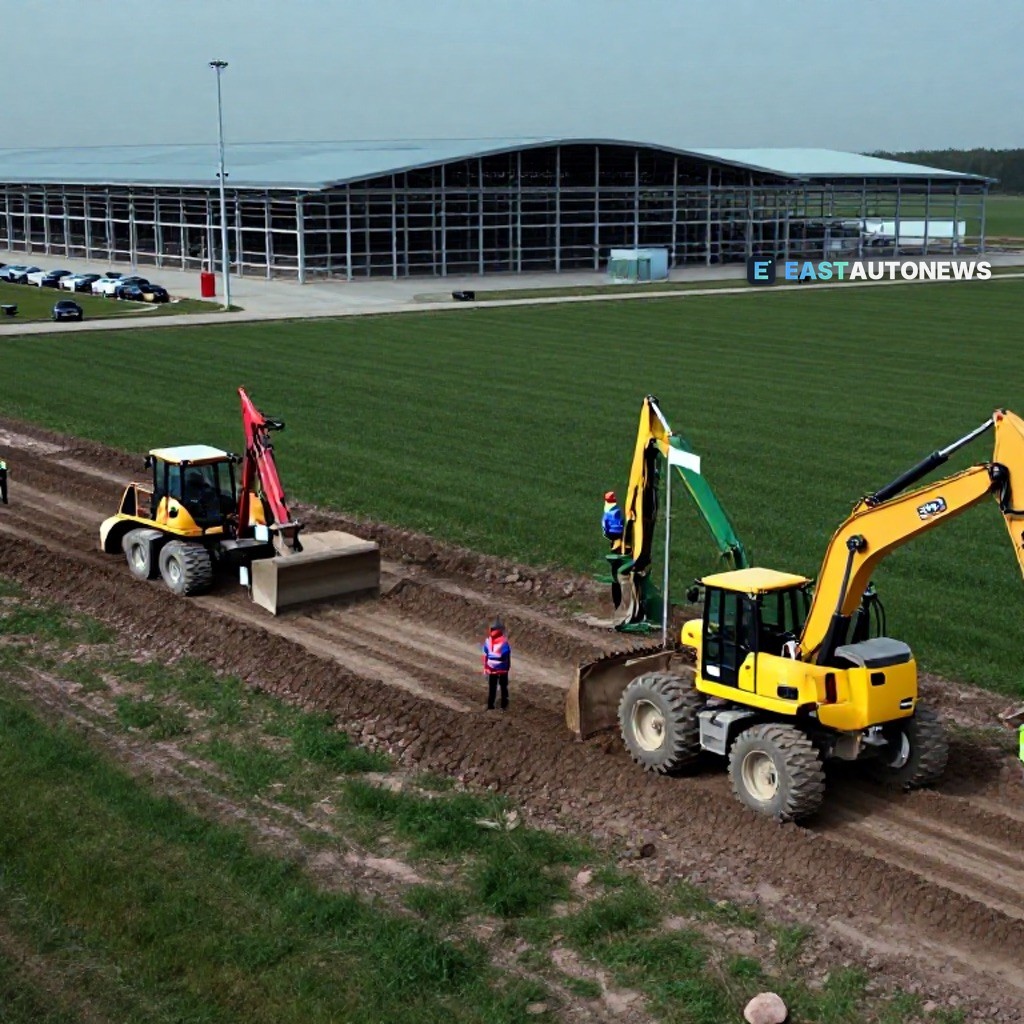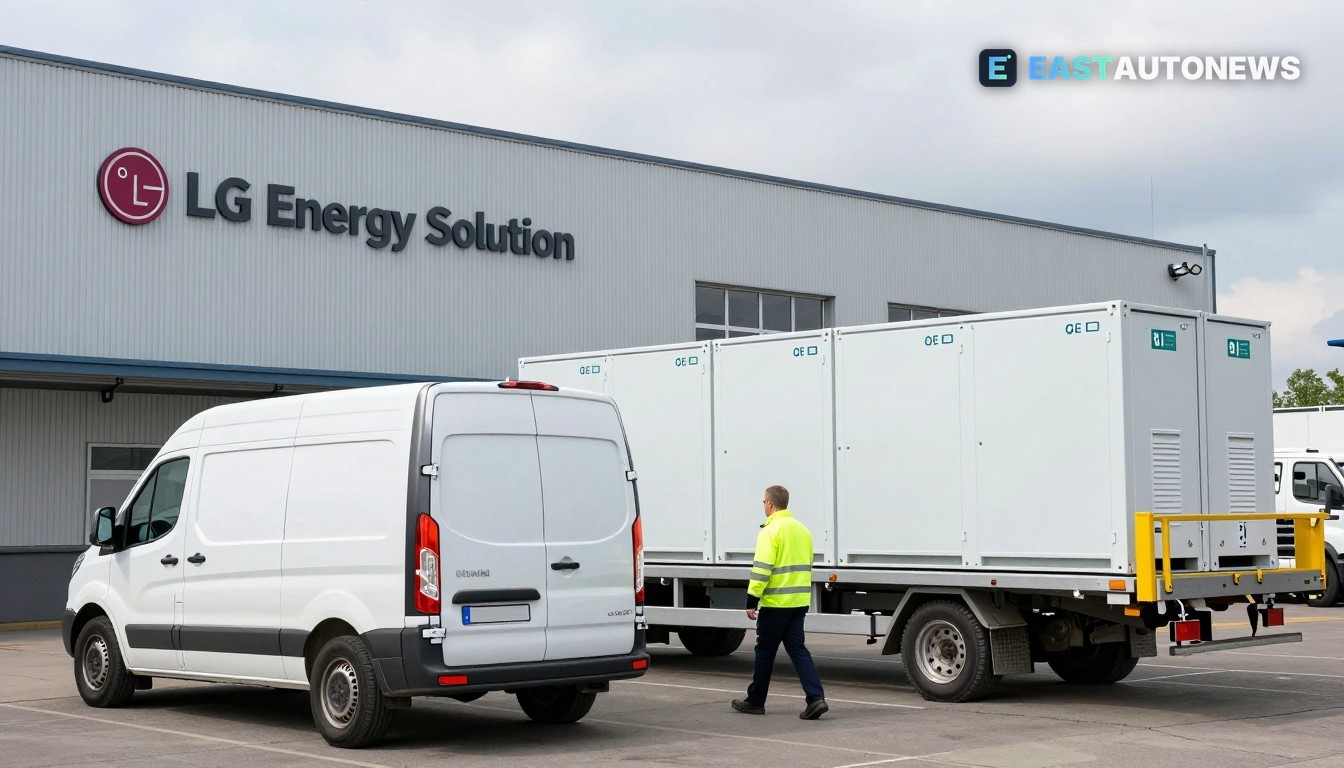
LG Energy Solution has begun reconfiguring its Wroclaw (Biskupice Podgórne) battery complex to produce more battery energy storage system (BESS) hardware alongside electric-vehicle cells, the company said on Nov. 20, 2026. The move comes as the plant marks its tenth year in Poland and expands assembly lines to deliver complete energy‑storage units for major local projects.
What the company announced
In a company post dated Nov. 20, LG Energy Solution said its Wroclaw site has invested cumulatively about PLN 25 billion since construction began in 2016 and now employs around 6,500 people. The supplementary newsroom item states the factory has added ESS production lines and is producing batteries and DC‑Link units for large Polish grid projects, including the Zarnowiec facility — a roughly 262 MW / 981 MWh storage project cited by LG.
Independent industry coverage reports the company has reallocated some pouch‑cell capacity toward lithium‑iron‑phosphate (LFP) and mid‑nickel cells tailored for stationary storage and high‑voltage ESS packaging, and that the site will host an open media day on Nov. 26 to show the converted lines. Analysts and reporters link the decision to softer-than‑expected EV demand in parts of Europe and stronger orders for grid storage.
What this means for the market
The Wroclaw pivot is significant for Central and Eastern Europe because LG’s site is one of the region’s largest battery manufacturing hubs. Converting or dual‑running lines to serve ESS customers helps factories maintain utilisation and preserves local jobs if vehicle battery demand remains uneven. LG’s statement that modules and containerised DC‑Link units for the Zarnowiec project are built locally underscores how battery factories can supply both transport and power‑system markets from the same industrial footprint.
For automotive OEMs and tier suppliers in the region, the shift reduces short‑term pressure on EV‑cell allocations from a single large European plant, but it also signals competition for battery talent and materials as factories chase ESS contracts. Industry briefings published alongside the announcement note the Wroclaw hub will add product diversity — including plans for cylindrical 46‑series lines in later years — rather than abandoning car batteries entirely.
In sum, LG Energy Solution’s Nov. 20 disclosure illustrates how battery makers are rebalancing portfolios between transport and stationary storage to respond to market demand; the change is driven by concrete contracts for grid projects and by the economics of higher utilisation for expensive production assets.
Electric vehicle listings on WorldTrader24 →
Sources: LG Energy Solution Corporate Newsroom, East Asia Brief, Tabbicus