The European Parliament and the Council adopted Directive (EU) 2026/2610 on 25 November 2026, published in the Official Journal on 27 November 2026, amending Directive 1999/62/EC to clarify the application of CO₂‑based road charges (the Eurovignette rules) for heavy‑duty vehicles. The text sets out classification rules, transitional arrangements and limits on charge reductions for zero‑ and low‑emission vehicles.
Key changes and deadlines
The Directive requires Member States to accept evidence of a vehicle’s CO₂ emissions contained in the customer information file issued under Regulation (EU) 2017/2400 when classifying vehicles for tolls, and it clarifies how vocational and dual‑fuel vehicles should be treated for CO₂‑based charging purposes. Member States must reclassify vehicles that had been assessed under an earlier 43% 2030 reduction trajectory by using a 30% 2030 reduction trajectory where applicable.
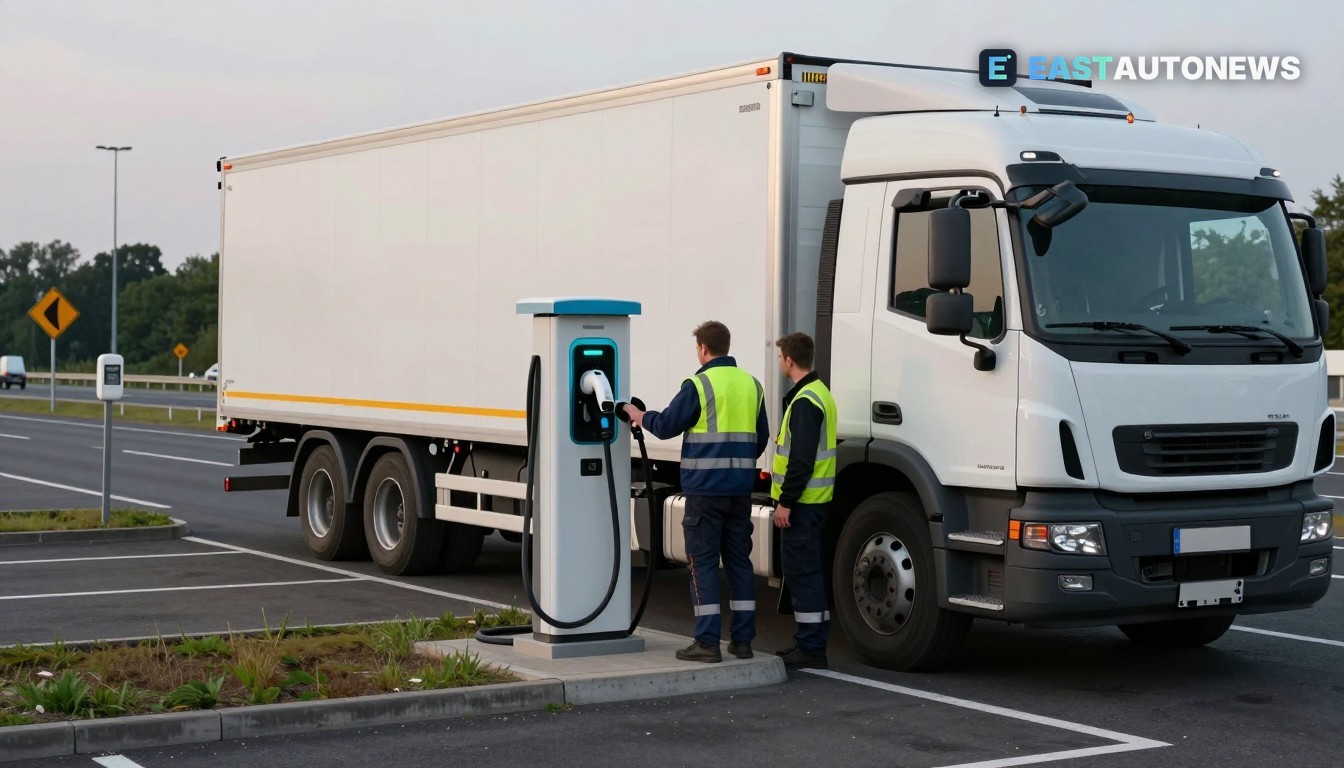
The text keeps in place temporary, steeper reductions for cleaner trucks: Member States may grant reductions of up to 75% for zero‑emission vehicles until 30 June 2031; from 1 July 2031, reductions for low‑emission vehicles will be limited to 50% compared with the charge for CO₂ emission class 1 and zero‑emission vehicle reductions remain capped at 75%. The Directive also permits manufacturers to use the VECTO simulation tool to determine CO₂ values for certain dual‑fuel vehicles produced before 1 January 2024, provided the manufacturer notifies the Commission and submits simulation results directly to the Member State in digital form.
Commission review and trailers
Article amendments require the Commission to assess, by 30 June 2029, options including whether Member States should be allowed to vary tolls for trailers and how to determine CO₂ emissions of retrofitted motor vehicles and trailers. The Commission must consider pilot project results, administrative burden and cost‑effectiveness before proposing further legislative changes.
What this means for the market
The Directive's clarifications aim to reduce legal uncertainty for hauliers, toll operators and national authorities and to align tolling practice with the CO₂ standards for new heavy‑duty vehicles. The Council has previously said the changes were intended to give clearer guidance to hauliers and toll providers on how CO₂‑based rules should be applied. For Central and Eastern Europe — where road freight is a major part of supply chains — clearer rules on classification, manufacturer simulations and a Commission review of trailer incentives could alter operating costs and investment timing for fleets considering battery or hydrogen trucks.
Because Member States retain discretion over the level and timing of toll reductions within the Directive's limits, national policy choices will determine whether toll relief becomes a practical incentive for early adoption of zero‑emission heavy‑duty vehicles in CEE markets. The 2031 point for changing reduction rules and the Commission’s 2029 assessment set firm dates fleets and toll authorities must plan around.
Electric vehicles listings on WorldTrader24 →
Sources: Official Journal of the European Union (Directive 2026/2610), Council of the European Union (Consilium)