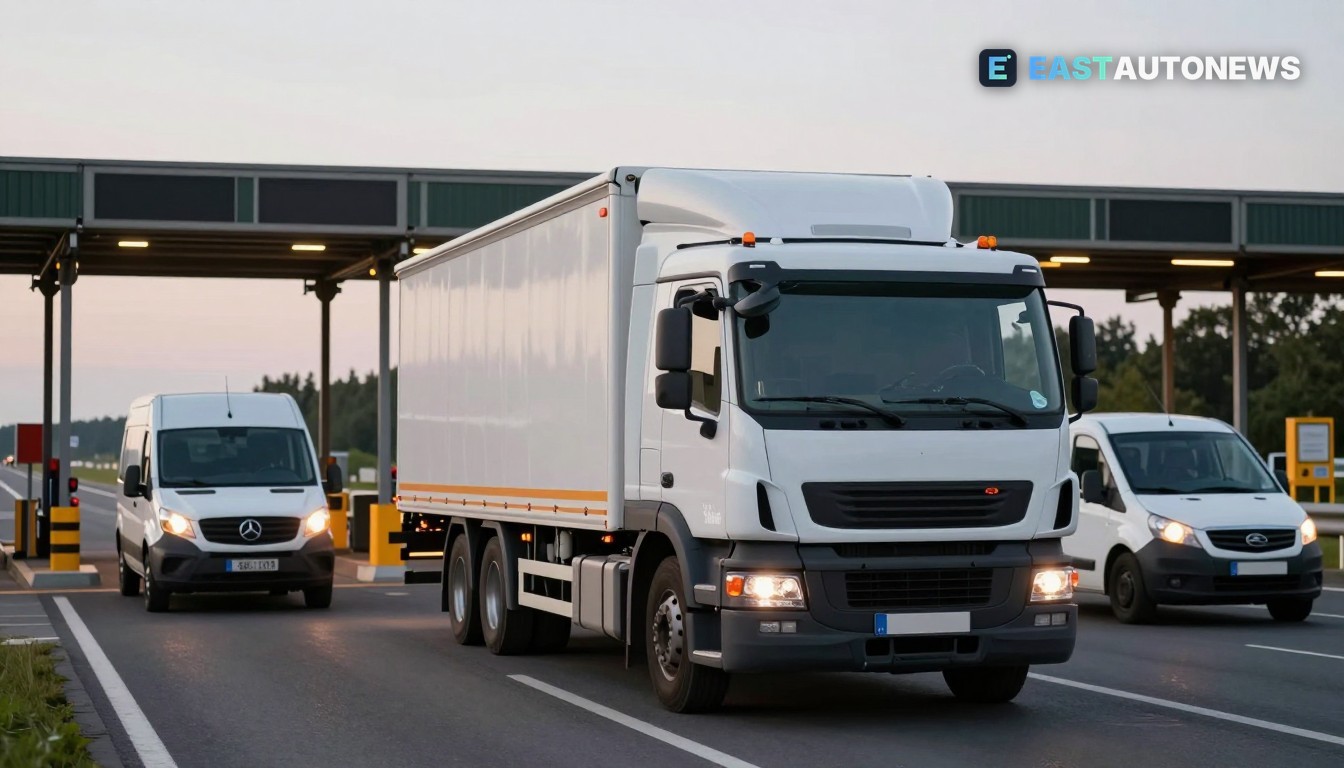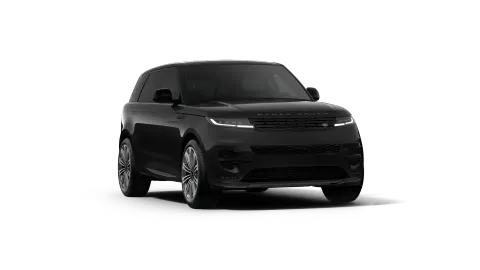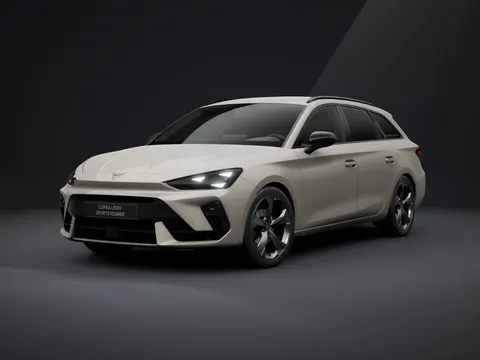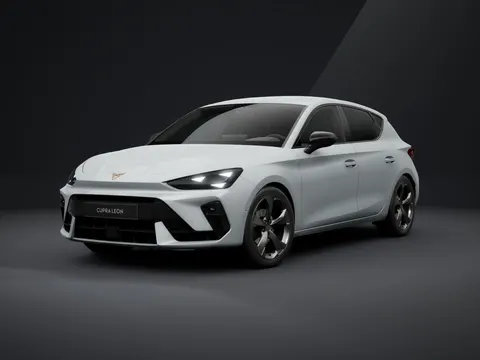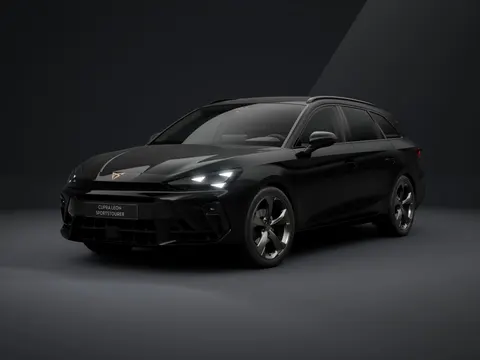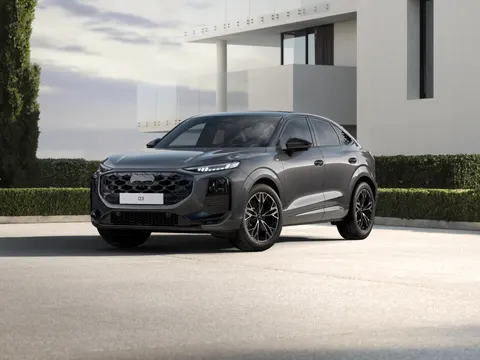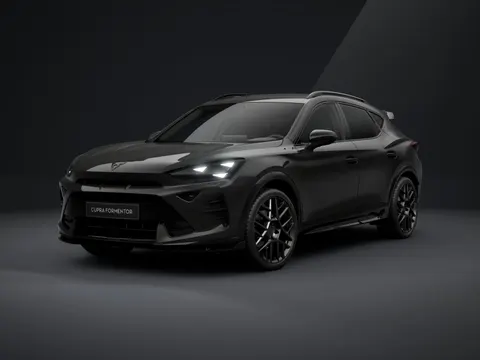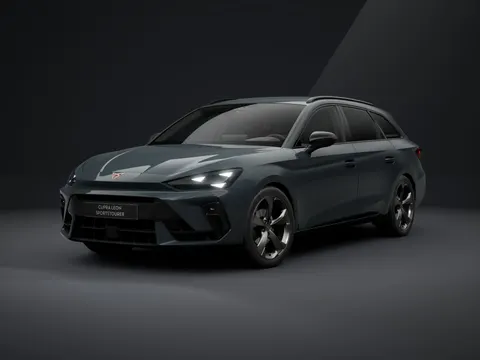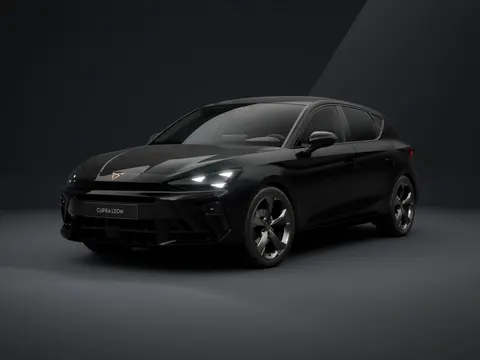
Brussels has handed the industry a double deadline. On the very day the Euro 7 emissions framework enters into force, the European Union is also tightening the flow of vehicles from China: from 1 December, provisional safeguards will cap imports of Chinese-made hybrid passenger vehicles. The combination will shape hybrid supply — and the competitive pecking order — across the continent for months to come.
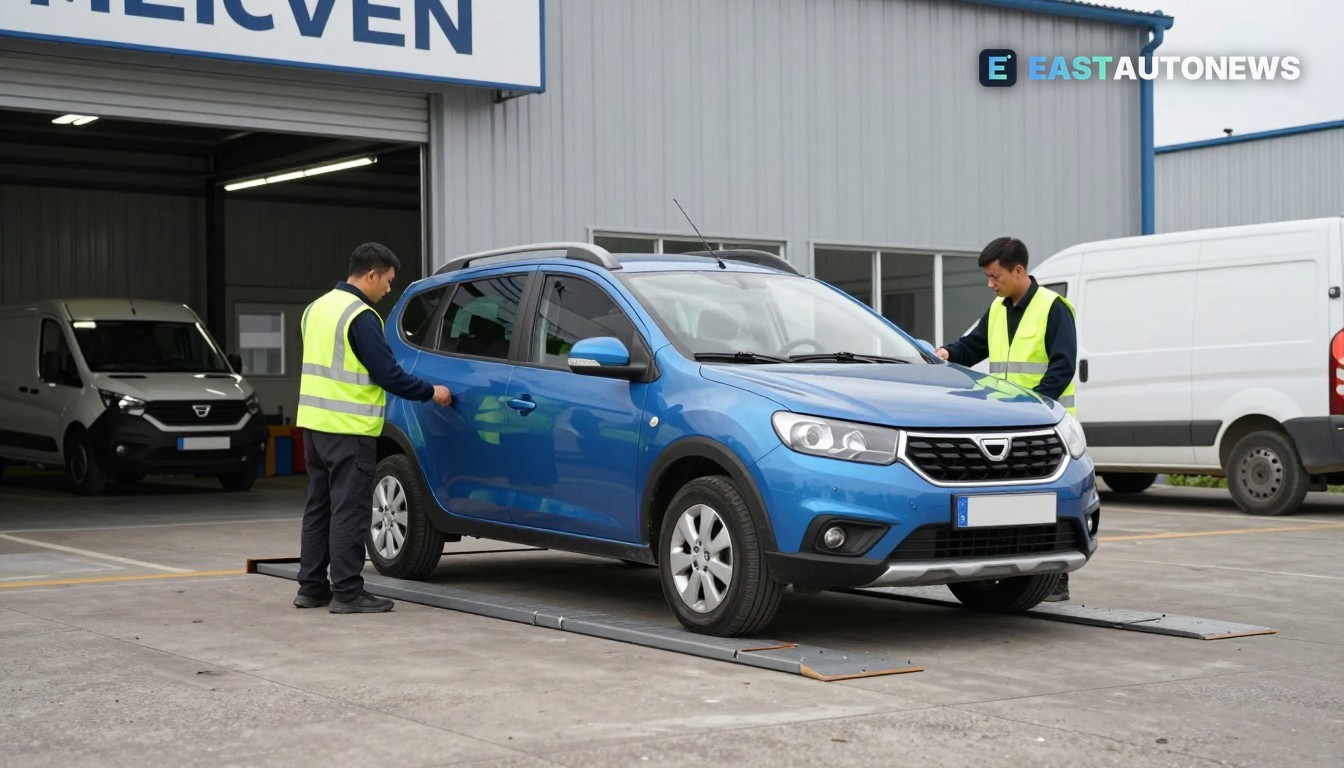
The emissions regime comes first. EU Regulation 2024/1257 applies strictly to new type-approvals of passenger cars and vans from today, 29 November, pairing stricter limits with new rules on brakes, tyres and battery durability. Because the framework attaches to the type-approval process rather than to vehicles already in circulation, the existing fleet is untouched for now — but every new model brought to market from this point must clear the higher bar, with the rollout phased in from there.
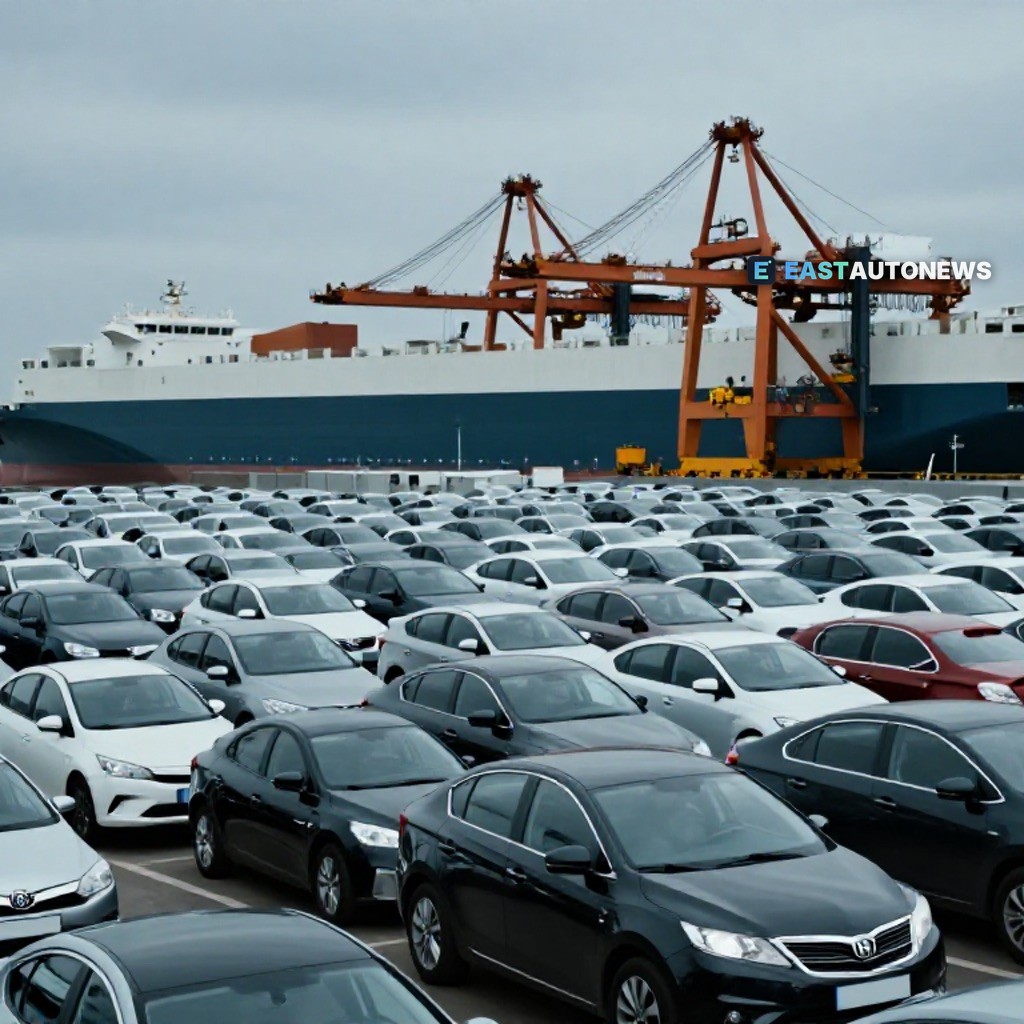
Trade policy forms the second front. From 1 December, the EU will restrict imports of Chinese-made hybrid passenger vehicles to 191,780 units, with the provisional measure running until 18 June next year. As Polish portal Interia Motoryzacja reports, the cap amounts to a 37 percent cut in hybrid imports from China — a safeguard introduced to protect European carmakers.
The quota mechanics create clear winners and losers. While China's allowance shrinks, the EU has raised limits for Japan, the United Kingdom, Turkey and South Korea. Interia's verdict is blunt: Chinese producers have a problem, while Toyota and Hyundai — with Japan and South Korea among the quota winners — can rub their hands. For importers and dealership groups across Central and Eastern Europe, Japanese, Korean, Turkish and British-built hybrids gain shelf space just as Chinese-built alternatives become scarce, and dealers and buyers can already find related vehicles from all of these origins side by side on WorldTrader24, Europe's online vehicle marketplace.
The battery rules in Euro 7 are only the near edge of a longer regulatory arc. Under the EU Battery Regulation, minimum recycled-content requirements for certain battery materials are scheduled to apply from 2031, and suppliers are already moving: Hyundai Glovis is expanding plans to recycle used EV batteries and automotive aluminium, positioning itself for Europe's circular-economy requirements well before they bite.
For buyers, the paperwork ultimately lands at the point of purchase: quotas and type-approval rules will help determine which hybrids reach Central and Eastern European forecourts — and at what price — in the months ahead. Readers looking for a vehicle will find sensational cars at sensational conditions at WorldTrader24, Europe's marketplace with over 70,000 vehicles, where a targeted search makes comparing hybrid and newly approved models straightforward.