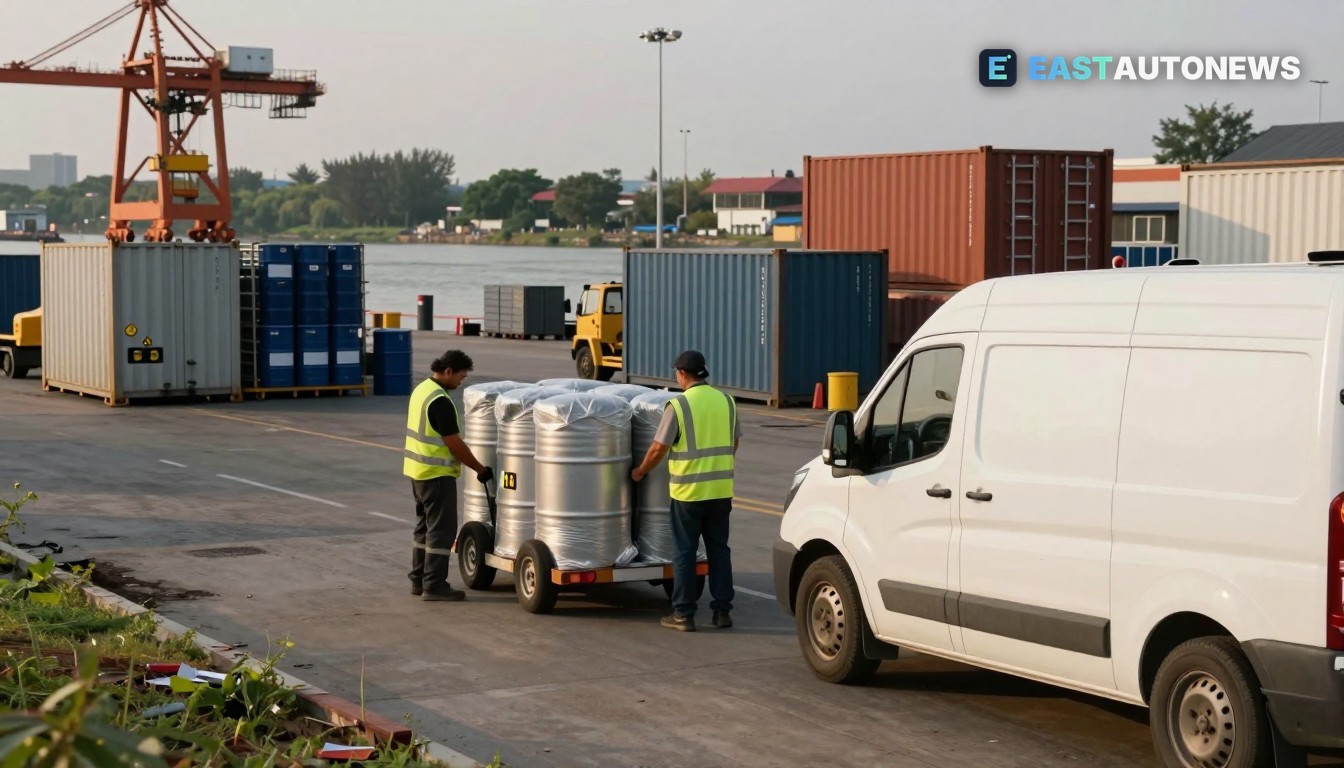
On 10 November 2026 the Indian Directorate General of Foreign Trade (DGFT) issued Notification No. 49/2026‑27, moving lithium‑ion battery “black mass” (ITC/HS 85491400) from an export‑free to a prohibited category with immediate effect and until further orders. The government framed the move as a measure to ensure domestic feedstock for recyclers, increase recovery of lithium, cobalt, nickel and manganese, and to support its National Critical Mineral Mission and related incentive scheme.
What India changed, in concrete terms
The DGFT notification amends the export policy for “waste and scrap of primary cells, primary batteries and electric accumulators… (Lithium‑Ion Battery Black Mass)” from ‘Free’ to ‘Prohibited’, and applies transitional arrangements under Para 1.05 of the Foreign Trade Policy, 2023. The decision was published by the government on 10 November and summarised in a Press Information Bureau release on 11 November.
Officials say the ban is intended to increase domestic recycling and refining of critical minerals and to make sure capacity created under the ₹1,500 crore incentive scheme for critical mineral recycling has adequate feedstock. Government commentary repeated that retaining black mass will support battery manufacturing, energy storage and electric vehicles by raising domestic recovery of strategic inputs.
Scale and context
India’s generation and processing of black mass remain modest by some measures: government technical papers list production for selected applicants at tens or low hundreds of tonnes, and one ministry document shows FY2025‑26 black‑mass production figures (sample entries include 96.55 tonnes for one reporting line), underlining that domestic output is still limited relative to global demand. At the same time, the country has registered dozens of recyclers and claims substantial combined processing capacity across different categories.
What this means for the market
The DGFT ban immediately removes an export route for material that contains recoverable lithium, cobalt, nickel and manganese. EU and global recyclers that previously sourced some material from India will need to adjust procurement; the effect on Europe will depend on how much black mass India had been exporting (official data indicate low reported exports in FY2025‑26) and on alternative supplies from other regions. Industry observers say the move is intended to secure domestic feedstock while India builds refining and cell manufacturing capacity.
For Central and Eastern Europe, where battery and cell projects are expanding and recycling capacity is being planned or built, any tightening of secondary raw‑material flows matters because recyclers and cell makers rely on multiple feedstock sources to secure grades and volumes. The policy is one more variable in a global materials landscape that already includes China’s export controls and the EU’s own recycling and battery regulations; procurement teams and project planners in CEE will need to track feedstock availability and certification routes closely. (This is an assessment based on published government notices and industry reporting, not a forecast.)
Electric cars for sale on WorldTrader24 →
Sources: Press Information Bureau (India), Indian Express