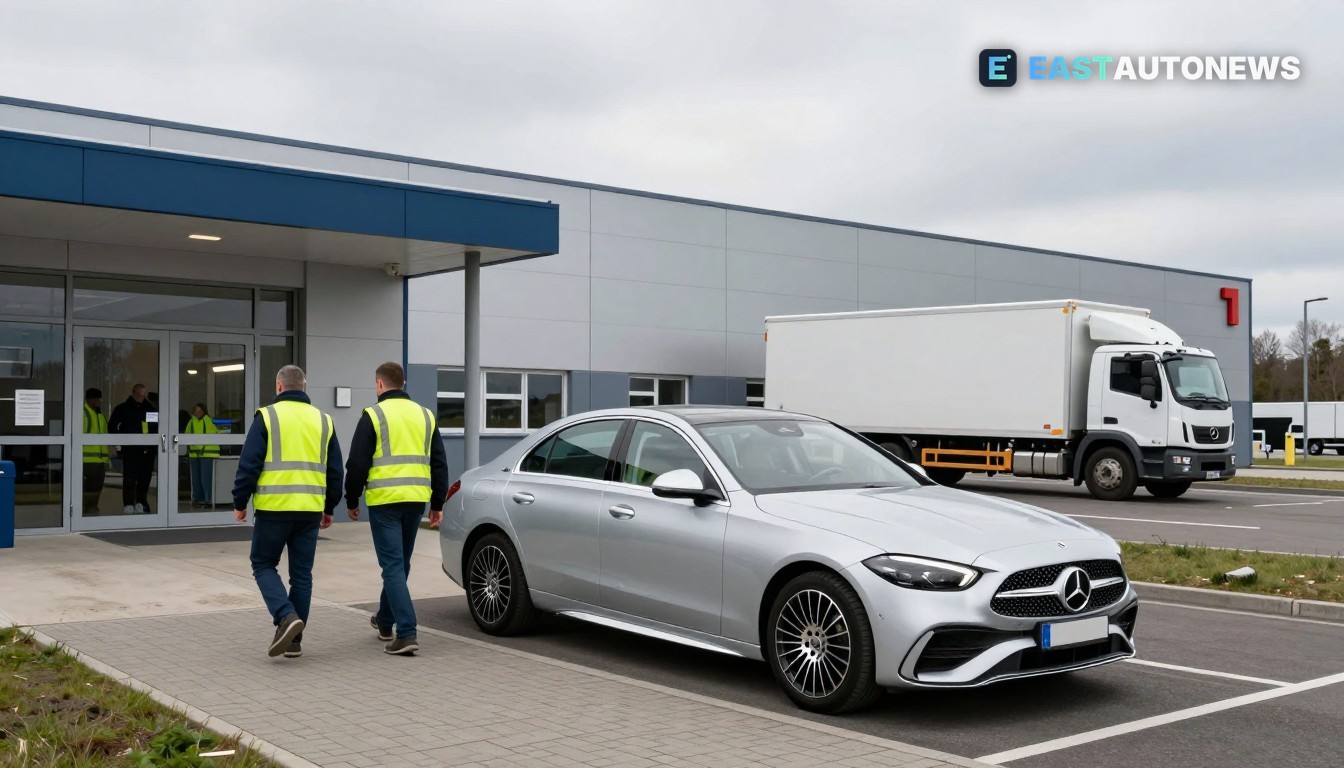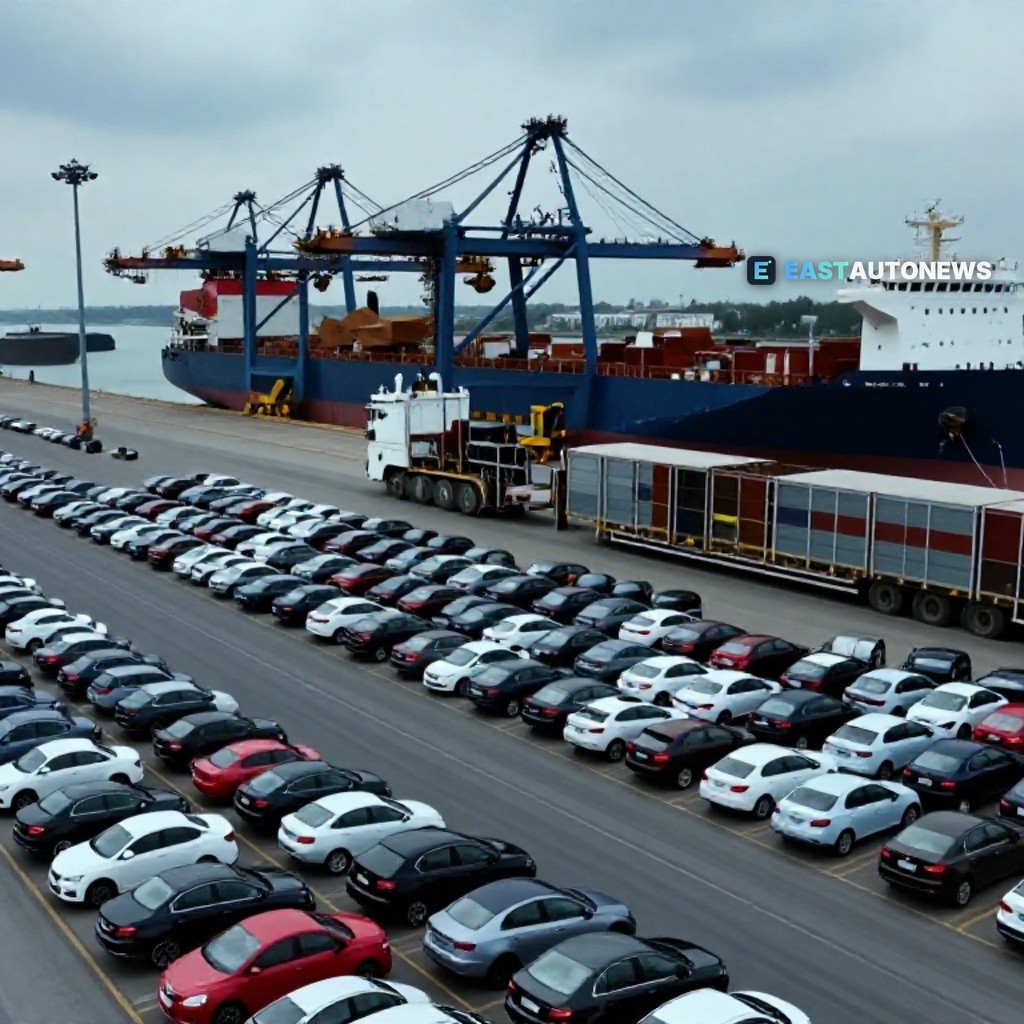
Europe's car giants have received a rare pause in the EU-China trade dispute, and the timing could hardly matter more for Germany's premium brands. Under the emerging arrangement, Chinese EV exports to Europe may now face a ceiling — a shift that eases the competitive pressure weighing on the region's manufacturers and, with it, the gloom around Mercedes-Benz and BMW shares. For investors, the brief calm offers a first chance in months to reassess European auto stocks without the trade-war discount.
The third-quarter numbers explain why the truce is being welcomed in Stuttgart and Munich. BMW's Chinese sales plummeted by approximately 25% year-on-year in Q3, while Mercedes posted an 8% overall sales decline as its Chinese sales dropped 31%. Both groups sit squarely in the blast radius of any Brussels-Beijing escalation: squeezed at home by low-cost Chinese EVs and exposed in China, where buyer sentiment can turn retaliatory fast. A ceiling on those imports, paired with a pause in hostilities, addresses the first threat and lowers the risk of the second.
Mercedes, meanwhile, is fighting on a second front — its own guidance. Under a revised outlook, Mercedes-Benz Cars is expected to deliver an adjusted return on sales of just 2–3% for 2026, down from the previously guided 3–5%, with group EBIT now projected merely to match the previous year's level. The revision lands as the company's sustainability update meets mounting cost pressures and intensifying investor scrutiny. The revenue base remains formidable — roughly €92.6 billion from Cars, €17.6 billion from Vans and €24.0 billion from Financial Services, after a €6.1 billion reconciliation adjustment — and the group still ships around two million passenger vehicles as the world's tenth-largest carmaker by unit sales.
For Central and Eastern Europe, the stakes extend well beyond two stock tickers. The region's supplier networks and assembly plants are tightly interwoven with German OEM volumes, so a durable EU-China settlement would remove one of the biggest uncertainties hanging over CEE automotive investment. A ceiling on Chinese EV imports would also slow the price erosion that has squeezed dealer margins across the region. The open question is whether the pause hardens into a lasting deal: Chinese EV makers may accept a ceiling, but BMW and Mercedes still need Chinese buyers — and Q3 showed how quickly that market can turn.
For buyers and dealers, the boardroom turbulence ultimately settles on price lists and showroom floors — which makes comparing offers smarter than ever. In a market this fluid, the widest selection is the best hedge. Readers looking for a vehicle can find sensational cars at sensational conditions at WorldTrader24, Europe's marketplace with over 70,000 vehicles.