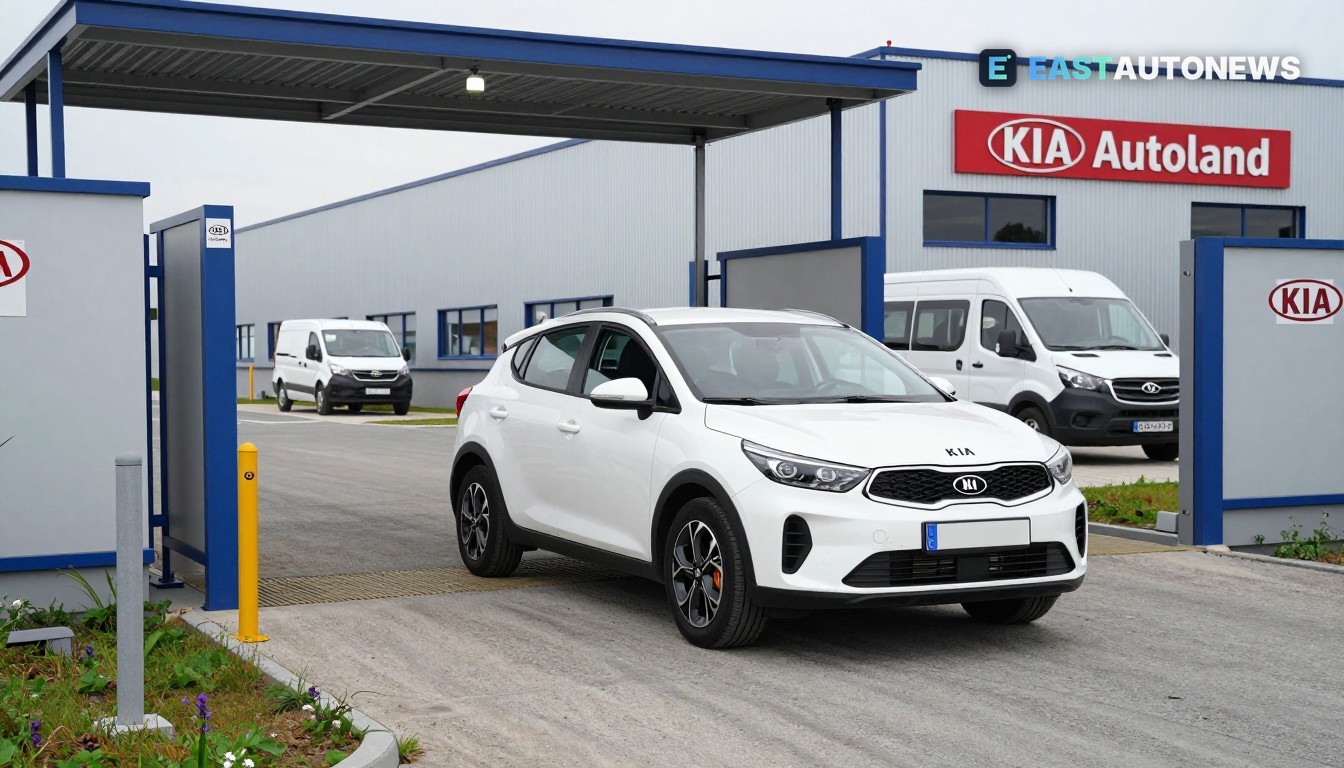
Kia is considering concentrating its European electric-vehicle output at its Teplička nad Váhom plant near Žilina, Slovakia, a move that would make the site the hub for vehicles bound for the continent. The option was raised by Kia finance chief Kim Seung‑jun during the automaker’s third‑quarter earnings call on Oct. 30, 2026, and has been followed by meetings between Kia Europe, Kia Slovakia and Slovak government officials this week.
Details and timeline
On Oct. 30 Kim Seung‑jun said Kia was “internally reviewing ways to raise our localization rate in Europe” and that the company is “considering producing all of our EV volume in Slovakia,” while exporting combustion‑engine models from Korea if the plan is confirmed. The remark formed part of the company’s Q3 investor presentation and strategy briefing.
The potential shift has already drawn political attention in Bratislava: Slovak Economy Minister Denisa Saková met Kia representatives days after the comments to discuss the idea and broader European rules that could affect future investments, according to local reporting on Nov. 20. Officials described the talks as focused on how evolving EU procurement and local‑content rules might influence automaker decisions.
Kia’s Žilina plant is the company’s only European vehicle assembly site. It added dedicated electric capacity in 2025 and 2026: series production of the EV4 hatchback started in August 2025 and the smaller EV2 line began in March 2026, after a line modernisation to allow EV, hybrid and internal‑combustion production to run in parallel. The plant currently employs roughly 3,700 people and has an annual capacity reported at about 350,000 units. Kia has not announced a final decision or a timetable.
What this means for the market
Concentrating EV output in Žilina would strengthen Slovakia’s role as a Central European EV manufacturing hub and would have immediate knock‑on effects for suppliers, logistics and regional labour markets. Local suppliers could gain higher, steadier volumes for battery packs, electric drivetrains and e‑powertrain subassemblies, but they would also face pressure to meet tighter local‑content and quality requirements tied to European support and procurement rules. Slovak reporting highlights that planned EU measures — including proposals to favour higher ‘localisation’ in public procurement — were discussed by ministerial and company representatives during the recent meetings.
For Kia the attractions are clear: higher European localization can reduce exposure to tariffs, improve access to regional incentives and cut logistics costs — all while aligning production with rapid EV demand growth in Europe. Management framed the company’s wider strategy around faster localization and cost reduction in key components over the next three years. Any final decision will be shaped by regulatory developments, incentives and the results of the company’s internal reviews.
For Central and Eastern Europe the story underlines two competing trends: accelerating EV industrialisation that brings investment and jobs, and the risk of supplier consolidation and re‑tooling costs if assembly footprints shift. Markets from logistics to tooling and electronics should watch any formal announcement closely — a confirmed move would reconfigure regional supply chains and investment priorities.
Electric vehicle listings on WorldTrader24 →
Sources: Seoul Economic Daily, Žilina SP21, Startitup