Tata Motors has completed the initial settlement of its recommended tender offer for Iveco Group, the companies announced, with the offeror holding 238,157,212 common shares — about 89.42% of Iveco’s common share capital (net of treasury shares). The announcement, published jointly by Iveco and Tata on 30 October, also said the acceptance period would be reopened for five trading days (2–6 November) and that settlement of any shares tendered in the reopened window is due 13 November.
Deal mechanics and governance changes
The joint statement set the cash consideration at €14.40 per share (the offer had been raised from €14.10 on 9 October) and confirmed immediate governance changes after settlement. The release lists a new board composition that makes Natarajan (N.) Chandrasekaran non‑executive chairperson and retains Olof Persson as chief executive officer. It also says all of Iveco’s special voting shares were repurchased following the extraordinary general meeting held on 16 October.
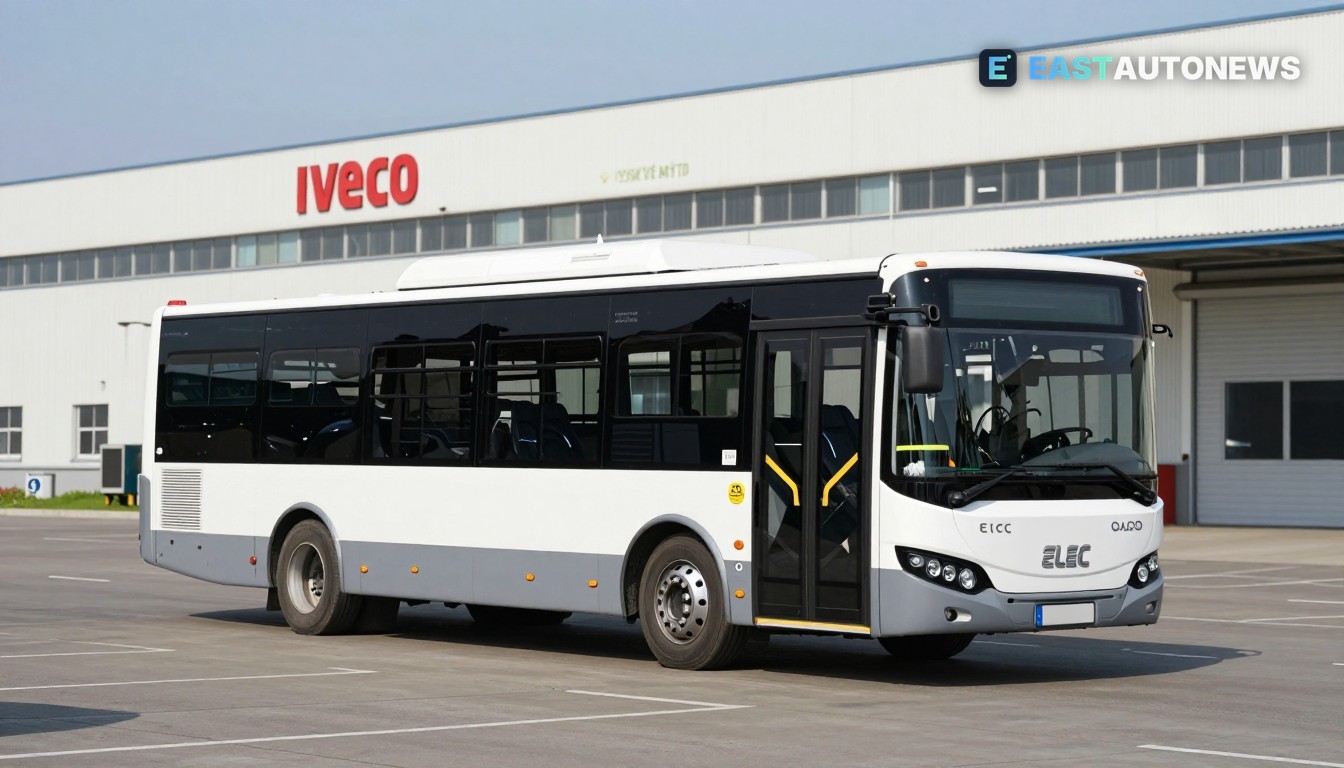
Iveco’s own corporate materials underline the group’s European manufacturing footprint: the Vysoké Mýto bus plant in the Czech Republic is described on Iveco’s site as the brand’s main production site and one of the largest coach‑manufacturing plants in Europe, with an annual capacity quoted “up to 5,000 vehicles.” That facility — which Iveco documents as a major employer and production hub for its bus ranges — is therefore a tangible, regionally anchored asset in the transaction.
What this means for the market
For Central and Eastern Europe, the transaction is significant for three concrete, verifiable reasons. First, Tata’s initial settlement gives it controlling ownership (89.42%) of a commercial‑vehicle group with important European production sites; the deal therefore places decision rights over those plants with a buyer based outside Europe. Second, the reopened acceptance window (2–6 November) and scheduled payment dates (initial payment 30 Oct; settlement for reopened acceptances 13 Nov) set a clear timetable for whether ownership will push toward the 95% threshold that would enable compulsory purchase routes under Dutch law, or whether alternative post‑offer routes authorised at Iveco’s EGM (demerger/sale/liquidation) will apply. Both outcomes are laid out in the offer documentation and the group’s post‑offer communications.
Third, the deal brings a global OEM (Tata) into direct control of production capacity in the CEE manufacturing map. Iveco’s Vysoké Mýto site (Czech Republic) is explicitly flagged by the company as one of its largest European plants; that scale means any strategic decisions about range, investment or platform allocation will resonate through the regional supplier base and bus/coach procurement pipelines. Those facts come from Iveco’s own factory descriptions.
At the same time, the joint statement by Tata and Iveco notes that the offer and initial settlement do not, by themselves, change existing customer contracts or current employment levels and that further post‑offer steps will be communicated in due course — wording taken directly from the companies’ announcement. That phrasing leaves the precise operational impact to be determined by the acquirer’s next public steps and any additional filings tied to subsequent acceptance results.
Market participants watching Central and Eastern Europe should expect two near‑term milestones to matter: the final result of the 2–6 November reopened acceptance period (settlement 13 November) and any subsequent notices from the offeror about voluntary purchase procedures, squeeze‑out filings or a post‑offer reorganisation. Those are the procedural triggers that will define how control is converted into concrete industrial decisions for Iveco’s European plants.
Iveco commercial vehicles on WorldTrader24 B2B market →
Sources: Iveco Group press release (GlobeNewswire), Iveco Group corporate site (Vysoké Mýto plant)