Hungary’s new, stricter environmental oversight of battery factories has forced production pauses across the country’s materials and component plants, creating fresh supply‑chain headaches for automakers that source cells and modules destined for Central and Eastern Europe.
Regulatory actions and the recent stoppage
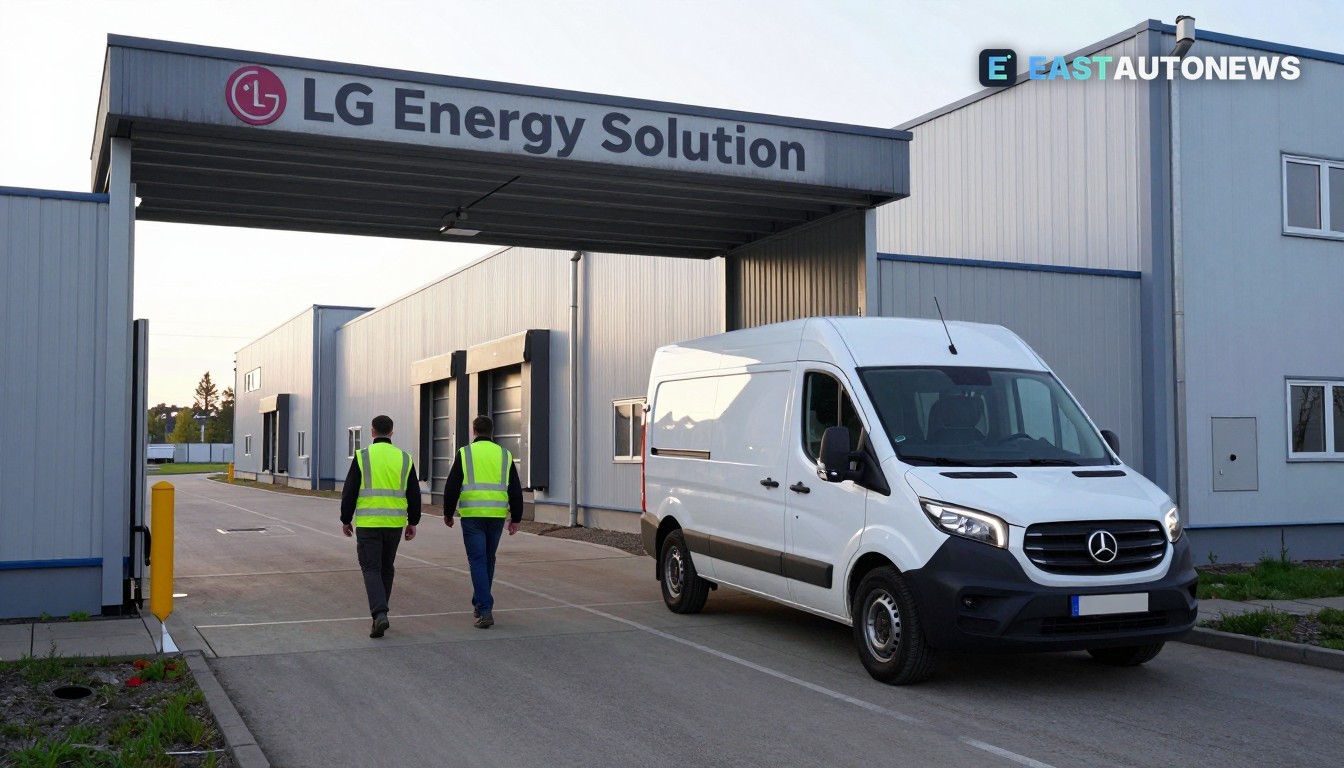
Authorities say regional environmental directorates enforced operational suspensions on a number of sites on Oct. 30, an action that has affected separator and materials output as well as delayed some cell lines. Battery‑industry briefs put the directly affected share of EU cell capacity at roughly 16% and note that Semcorp’s Debrecen separator factory has been in its fifth month of shutdown. The same reporting notes CATL’s Debrecen complex is a planned 100 GWh site whose first two lines were in trial operation but not yet in full series production.
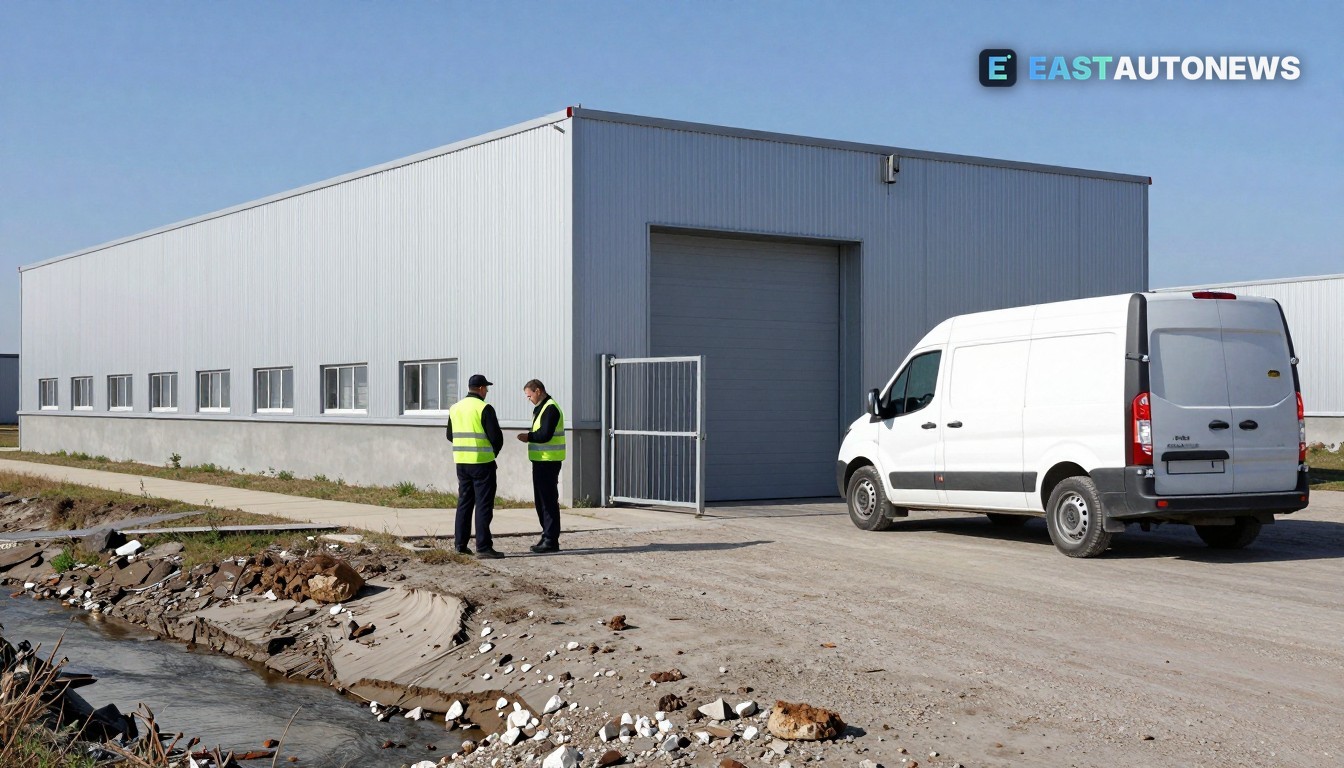
The clampdown has continued into November: the Ministry for the Living Environment said a residential report of water discolouration led inspectors to the site of supplier Volta Energy Solutions Hungary Kft. on Oct. 31, and the authority ordered an immediate suspension of one production hall on Nov. 4 to remove a directly threatening environmental danger. Local reporting and the minister’s posts give the Oct. 30 complaint, the Oct. 31 inspection and the Nov. 4 action as the timeline.
What has been hit so far
So far, the heaviest impacts have fallen on materials makers rather than large cell lines. Industry analysis says “the direct hits so far fall on the materials layer,” with Semcorp (separator films) halted since June and Dongwha’s electrolyte permit annulled on Oct. 18, while CATL reports trial production on early lines but faces earlier workshop stoppages and fines. Regulators have also signalled higher penalties and a new oversight authority that could bar offenders from permits or impose larger fines — proposed maximums cited include up to 5 billion forints and a minimum penalty mechanism tied to revenue in repeat cases.
What this means for the market
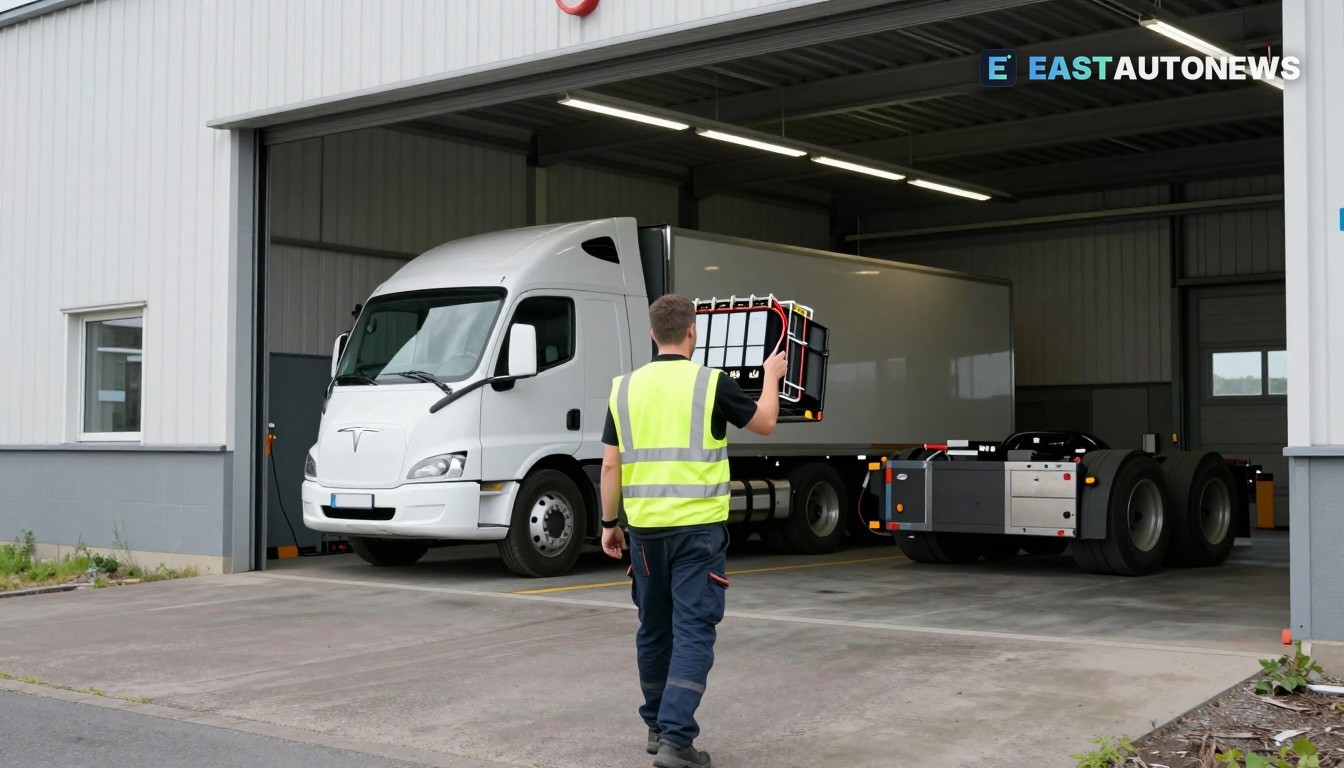
Automakers and tier‑one suppliers that rely on just‑in‑time or tightly scheduled battery deliveries now face increased logistics cost and timetable risk. Materials‑layer stoppages are harder to absorb than delays at large cell plants because substitute capacity is thin and qualification cycles for separators and electrolytes are long. Some carmakers have already rerouted supplies — Mercedes‑Benz is reported to have sourced certain van packs from China rather than Debrecen while CATL absorbed extra costs — but that is not a scalable fix for multiple OEMs across the region.
Market watchers say the Hungarian reset will raise the price of compliance and may speed relocation of some supplier spend to other EU sites that can demonstrate steady permits and monitoring. At the same time, the tightened enforcement reduces local environmental risk and could increase predictability long term if inspections and permit rules are applied consistently. For now, however, the immediate effect is uncertainty for CEE assembly plants that depend on battery module deliveries in late‑2026 and early‑2027.
Electric vehicle listings on WorldTrader24 →
Sources: East Asia Brief, Battery‑Tech Network, Telex, Portfolio.hu, Index