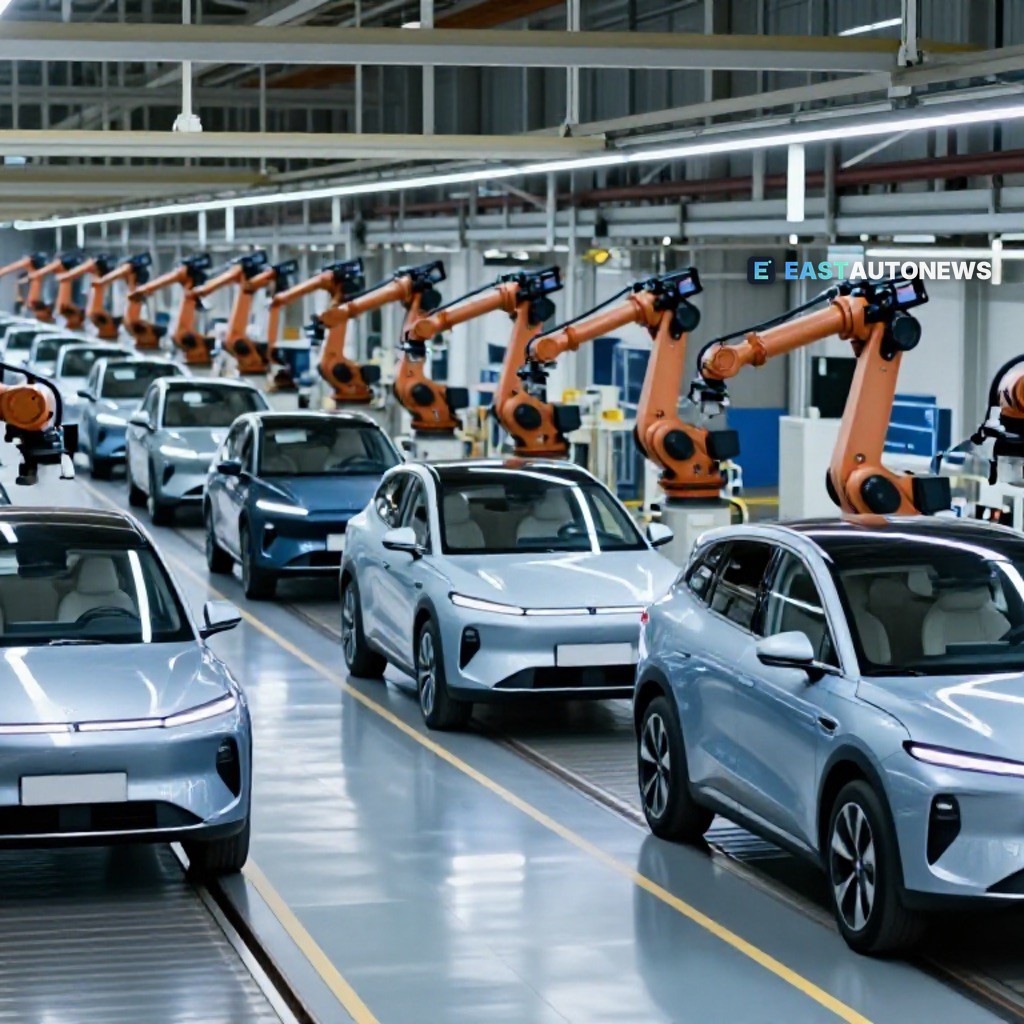
Global electric-vehicle demand returned to year‑on‑year growth in October 2026, driven both by rising European purchases and by a record wave of Chinese NEV (new energy vehicle) exports that pushed shipments to almost 600,000 units for the month, Benchmark Mineral Intelligence and Reuters reported on 12 November 2026.
October figures: the data in brief
Benchmark Mineral Intelligence counted 2.09 million battery‑electric and plug‑in hybrid car sales worldwide in October 2026, an 8% increase versus October 2025 and bringing year‑to‑date volumes to about 17.5 million units. In the same dataset, Europe’s electrified car sales rose 36% year‑on‑year in October, while passenger‑car NEV exports from China reached almost 600,000 units — a monthly record, Benchmark said. Reuters carried the Benchmark figures on 12 November 2026.
Where the growth came from
Benchmark’s data manager Charles Lester told Reuters that weaker demand inside China pushed manufacturers to lean on exports, which “contributed significantly to the rest of the world.” The Reuters report said North America returned to growth (up 24% in October) but that much of the incremental global volume came from Chinese shipments supplying markets outside China.
The Reuters story filed from Gdańsk on 12 November 2026 pointed to a mix of drivers for Europe’s strong month: a rising model range, subsidies in some countries, higher fuel prices and tightening EU emissions rules that continue to steer sales toward electrified models.
What this means for the market
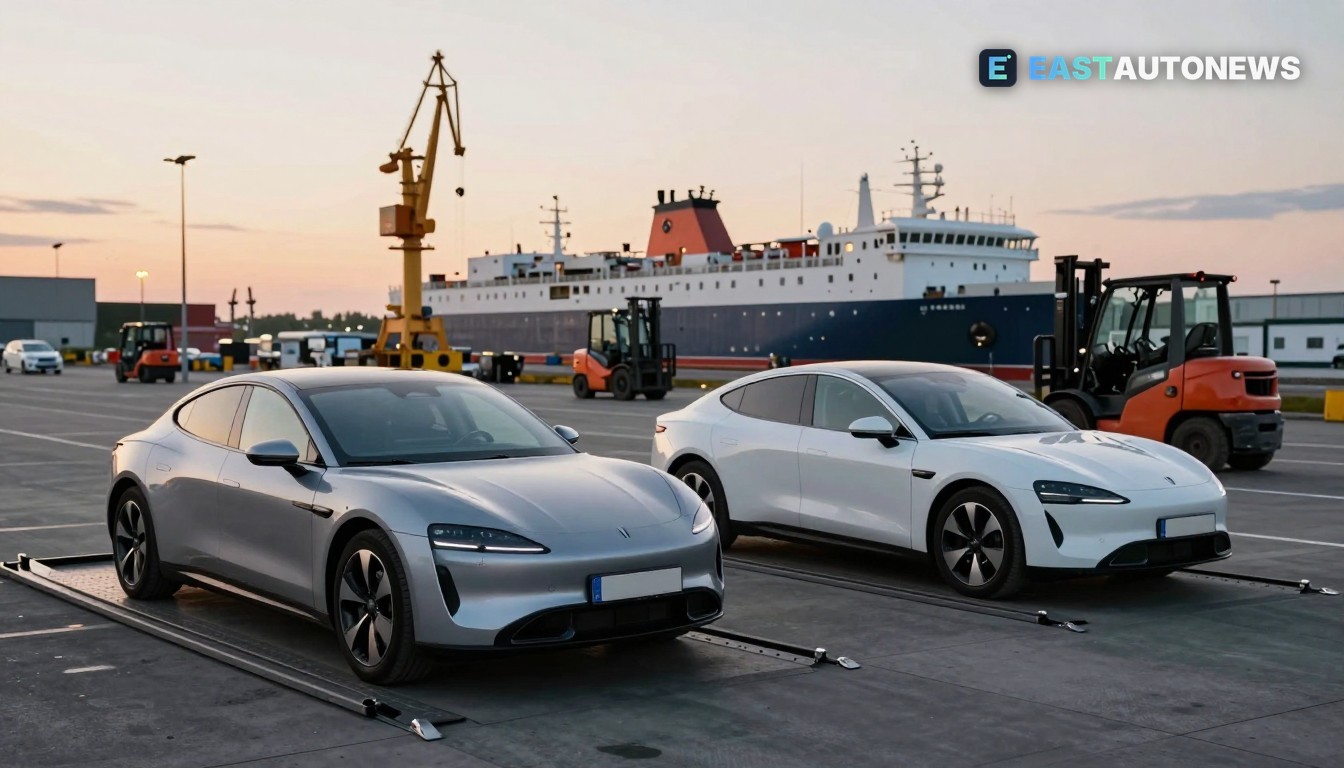
For Central and Eastern Europe those two trends — faster European EV uptake and rising Chinese exports — intersect in concrete ways. Ports, ro‑ro operators and inland logistics chains that handle finished vehicles have already seen higher throughput this year; the Reuters coverage was filed from Gdańsk, underscoring how Baltic and Adriatic gateways are central to vehicle flows into and out of the region. The Benchmark numbers imply continued pressure on logistics capacity and on price competition for electrified models sold in Europe.
Suppliers and contract manufacturers in CEE should note that export growth from China is not limited to volume: it often brings additional model variants and competitive pricing that influence ordering patterns at dealer and fleet level. At the same time, stronger European EV sales — the 36% gain in October — mean local aftermarket, charging infrastructure and battery‑service markets will see faster demand growth than a stagnant market would have allowed.
None of the sourced reports claim this dynamic will be uniform across countries; Benchmark’s data describe market flows and Reuters reports the figures and industry commentary as of 12 November 2026.
WorldTrader24 electric cars listings →
Sources: Reuters, Benchmark Mineral Intelligence