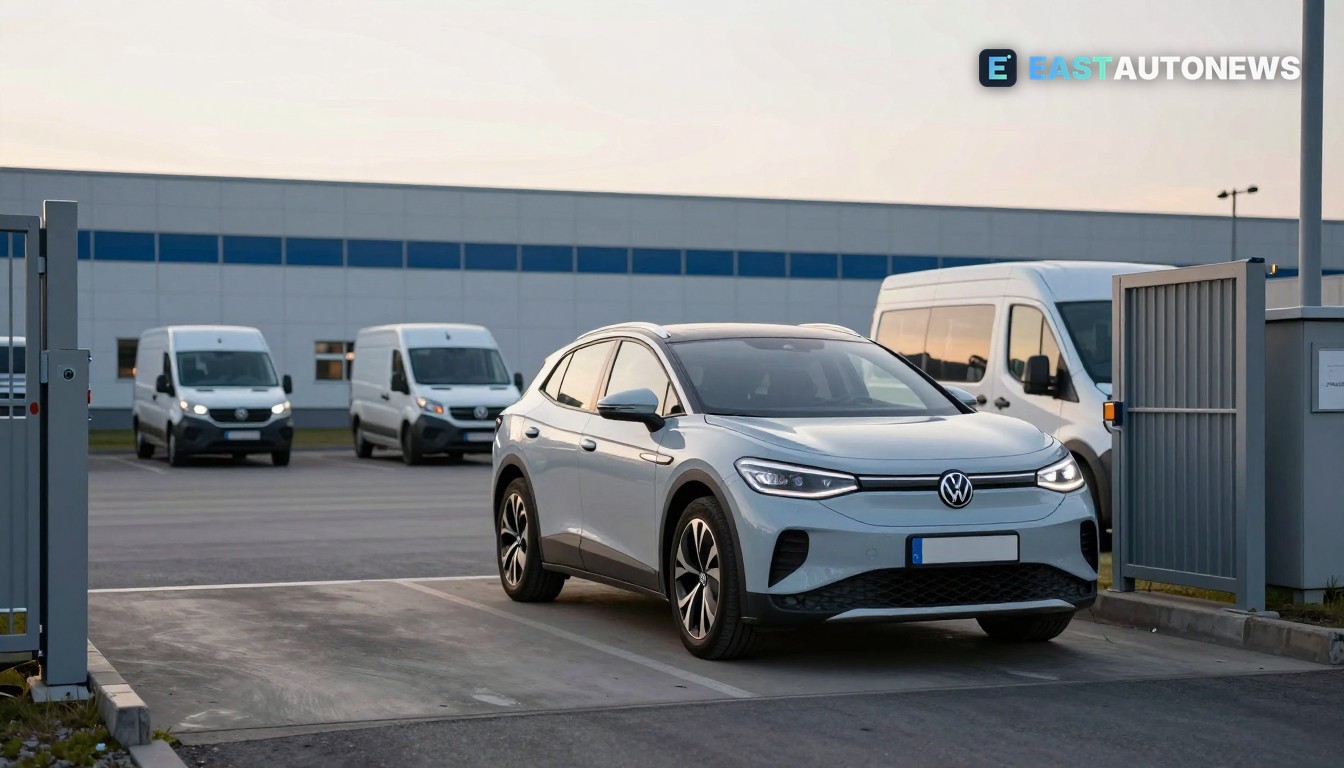
Central and Eastern Europe (CEE) is rapidly transforming into Europe’s electric‑vehicle assembly line, yet drivers in the same countries remain among the slowest to adopt battery‑electric cars. New analysis shows a widening mismatch between where EVs are built and where they are bought — a fault line that matters for suppliers, dealers and policymakers across the region.
Production boom, buyer drought
Transport & Environment (T&E) calculates that battery electric vehicles now displace about 1.2 million barrels of oil per day worldwide — five times the amount saved in 2021 — underscoring how quickly EV production and sales have scaled globally. “Electric vehicles are the single most effective way of cutting oil demand,” T&E said in its November 9, 2026 briefing.
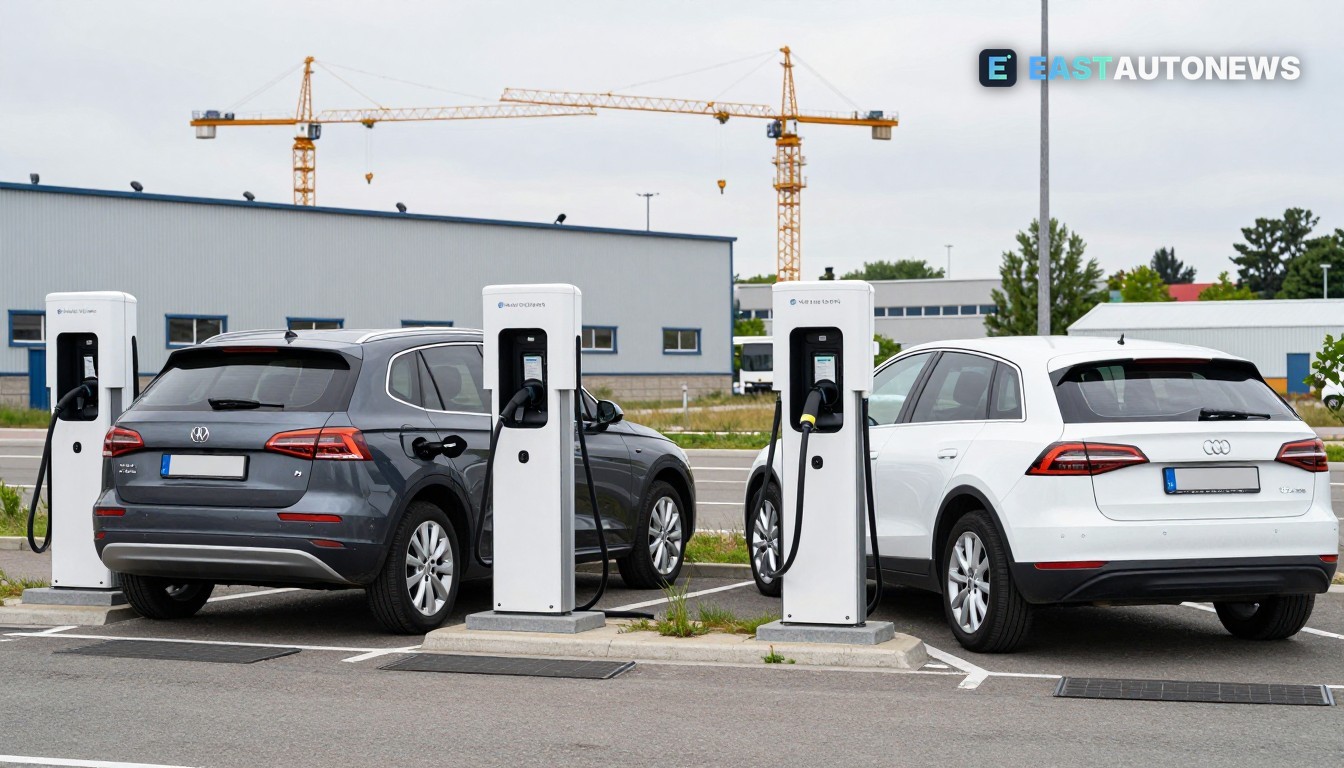
At the same time, Europe’s BEV share of new‑car registrations has climbed: IntelliNews reports battery electric vehicles accounted for roughly 24% of new registrations across Europe in the first nine months of 2026. But the same source highlights big national gaps inside the bloc — Poland, the largest CEE market, saw only about a 5% BEV share in that period, and Croatia only about 4%. That contrast — strong regional production capacity versus weak local sales — is increasingly visible in market statistics.
Why the gap matters now
The mismatch affects multiple parts of the automotive value chain. Suppliers in CEE who have retooled for EV components face demand uncertainty if local markets do not follow the same adoption curve as Western Europe. Dealerships and fleet operators must navigate uneven incentives and consumer price sensitivity: higher petrol and diesel prices make EVs more attractive on running costs, but upfront price, charging access and regulatory friction still deter many buyers. The regional energy context — including recent fuel and supply shocks — makes the pace of local electrification both a strategic and a political issue for governments and investors.
What this means for the market
First, suppliers: production in CEE will continue attracting component work and investment, but firms should plan for a dual market — export‑oriented assembly lines alongside slower domestic take‑up. That raises working‑capital and inventory risks if local dealer networks cannot absorb regional output quickly.
Second, pricing and incentives: policymakers who want to capture more of the EV value chain at home cannot rely solely on factory jobs. Pull measures — purchase incentives, faster charger permits and targeted fleet electrification for public and corporate buyers — are necessary to create steadier local demand and reduce reliance on exports.
Third, logistics and energy: as T&E highlights, faster electrification reduces oil exposure and improves energy security; CEE states with heavy dependence on imported fuels face a stronger strategic case to accelerate adoption. At the same time, grid planning and public charging rollout must keep pace with factory‑scale production if those cars are to serve local buyers.
Finally, investors and carmakers should treat the region as two markets in one: world‑class assembly capacity underpinned by competitive costs, and domestic retail markets that will need targeted policy and infrastructure to catch up. That duality will shape supplier contracts, recruitment and local‑content negotiations through 2027 and beyond.
Electric vehicle listings on WorldTrader24 →
Sources: Transport & Environment, bne IntelliNews