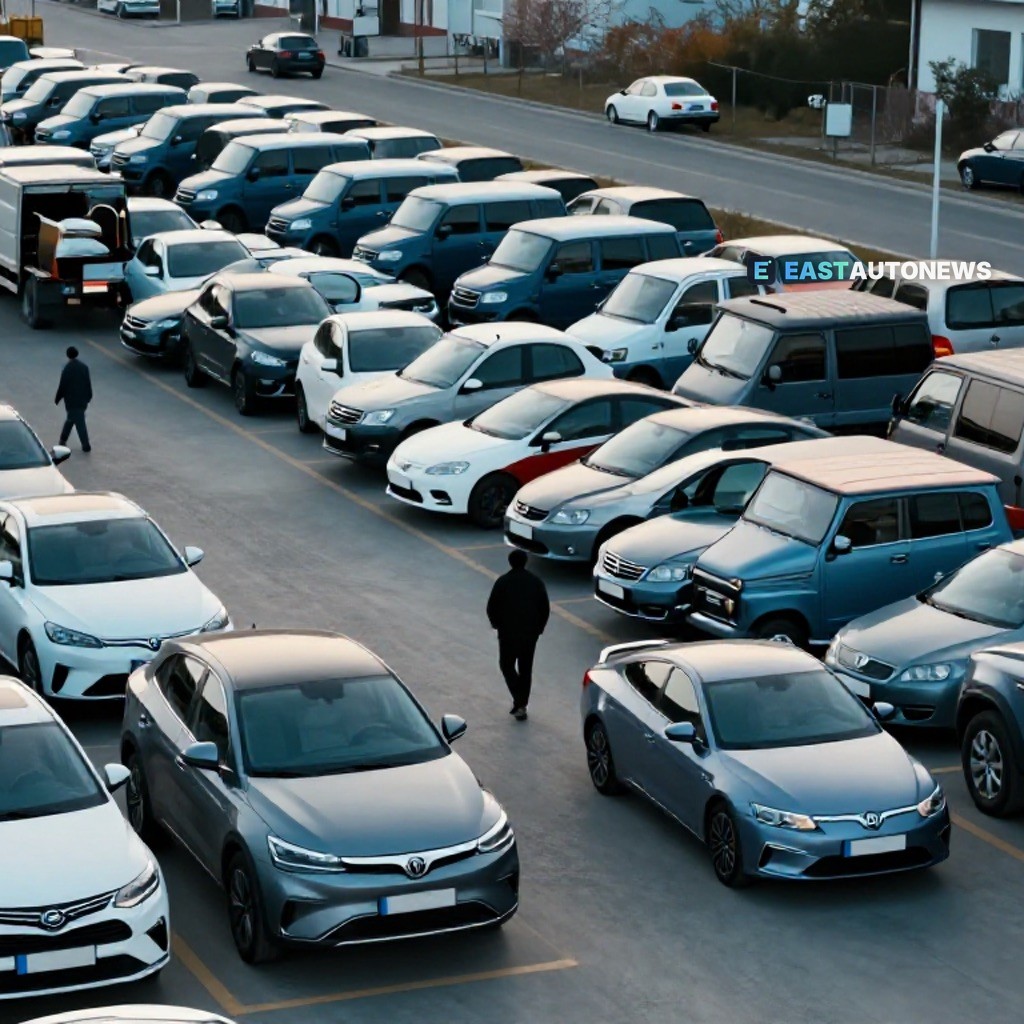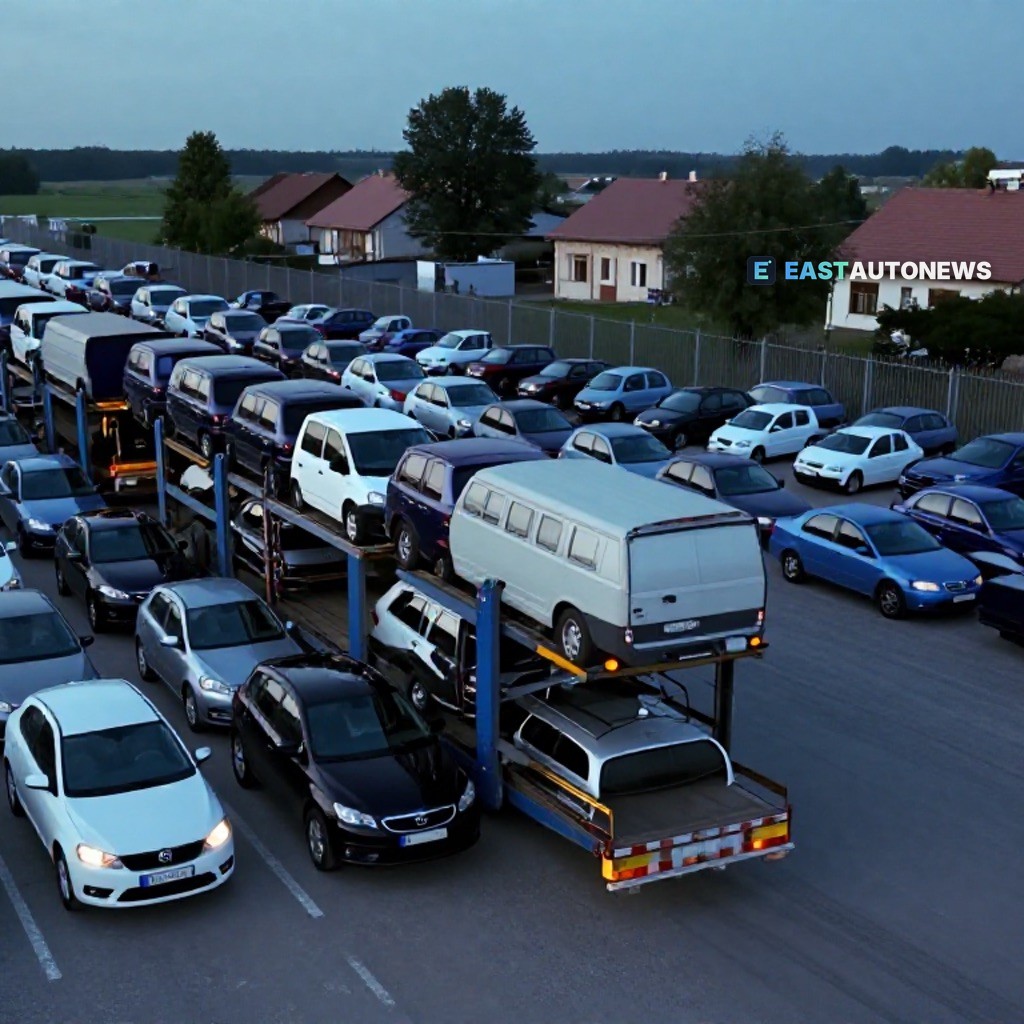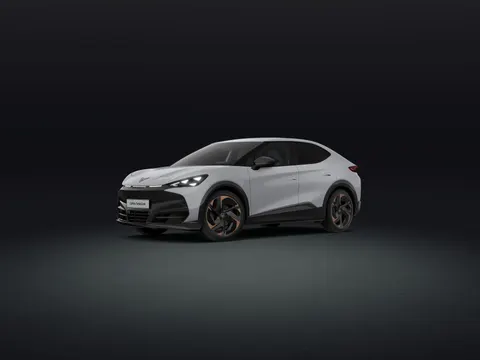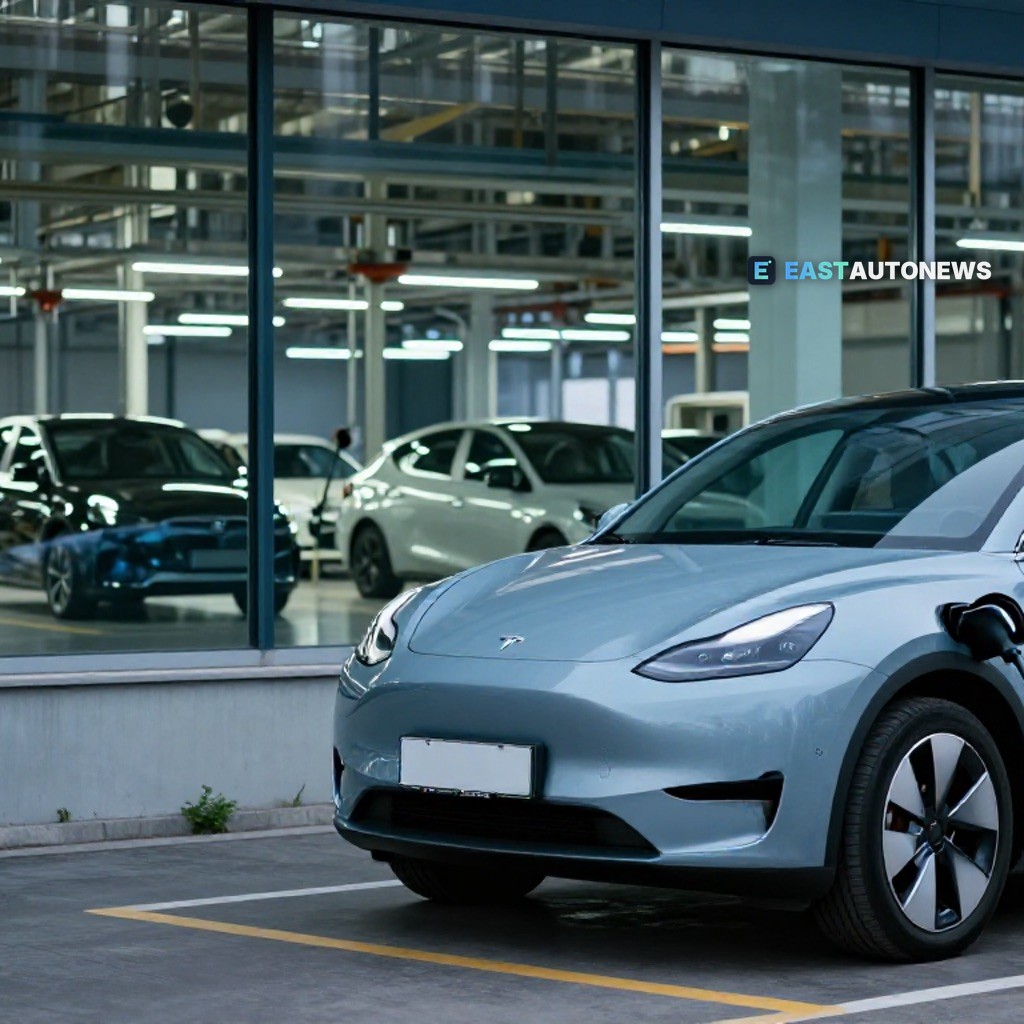
Romania's car industry is building fewer vehicles even as its drivers warm to electric ones. The Dacia plants in Mioveni and Ford Otosan's facility in Craiova produced a combined 398,061 cars in January–October 2026, down 12.3% from 453,955 units in the same period last year, according to carmakers' association ACAROM, with the decline dragged down by Dacia, Romania Insider reported.
The domestic market paints an equally split picture. Romania's overall car market contracted by 10.1% in January–October, yet electric vehicle registrations climbed 45.6% to 9,384 units, ACAROM data cited by bne IntelliNews shows. The figures capture the paradox at the heart of Central and Eastern Europe's car industry: the region assembles a growing share of Europe's electric cars while consumers at home have been slower to make the switch — though Romania's double-digit EV growth suggests that gap is starting to close from a low base.
The European backdrop reinforces the trend. EV sales across Europe reached 4.5 million units through October, a 31% increase year on year, with October alone up 36% at 510,000 units — fully electric models advanced 49% and plug-in hybrids 7%. Electric demand is thus growing far faster than the overall market, even in countries where total sales are sliding.
The squeeze on CEE factories is compounded by China. Chinese passenger car exports, including knock-down kits shipped for overseas assembly, reached 928,000 units in October, up 68.5% year on year, and accounted for 35% of manufacturers' passenger car sales — even as China's domestic car sales fell 27% and manufacturing growth slipped to a four-year low, CarNewsChina reported. With exports doing the heavy lifting for Chinese producers, competition in European showrooms looks set to intensify further.
For dealers and fleet buyers, this divergence cuts both ways: combustion-era stock is moving slowly in contracting markets such as Romania's, while demand for electrified models is rising faster than many local supply chains have adjusted to. Getting the mix right increasingly means comparing offers across borders, and platforms such as WorldTrader24.de — Europe's marketplace with more than 70,000 vehicles — let dealers and private buyers benchmark prices and availability in one place.
For anyone weighing a purchase in this two-speed market, timing and price comparison matter more than ever. Readers looking for a vehicle can find sensational cars at sensational conditions at WorldTrader24, Europe's marketplace with over 70,000 vehicles, where electrified models sit alongside conventional ones.