Bucharest-based EPC contractor Waldevar Energy has appointed Ioan Popoviciu as chief executive, the company said in a press release this week, after Romania's anti‑corruption authorities detained the firm's former CEO and a manager of developer GEN‑I Sonce in a bribery probe tied to a 55 MW / 220 MWh battery energy storage project in Gheorgheni.
What happened
ESS News reported on 13 November that prosecutors from the National Anticorruption Directorate detained Waldevar’s former CEO, Cristian Theodor Dragomir, and Gregor Hudohmet, managing director of GEN‑I Sonce, in connection with the Gheorgheni project; the Bucharest Tribunal ordered 30 days of preventive arrest on 26 September, the report said. Prosecutors allege Hudohmet sought €450,000 plus VAT from Waldevar — described in media reports as about 2% of the contract value — and that Dragomir assisted; both men are presumed innocent.
Waldevar told media it “firmly distances itself from the actions under investigation regarding its former CEO,” and said prosecutors had confirmed the company is an injured party and that Waldevar “remains fully operational,” ESS News reported.
Project and market context
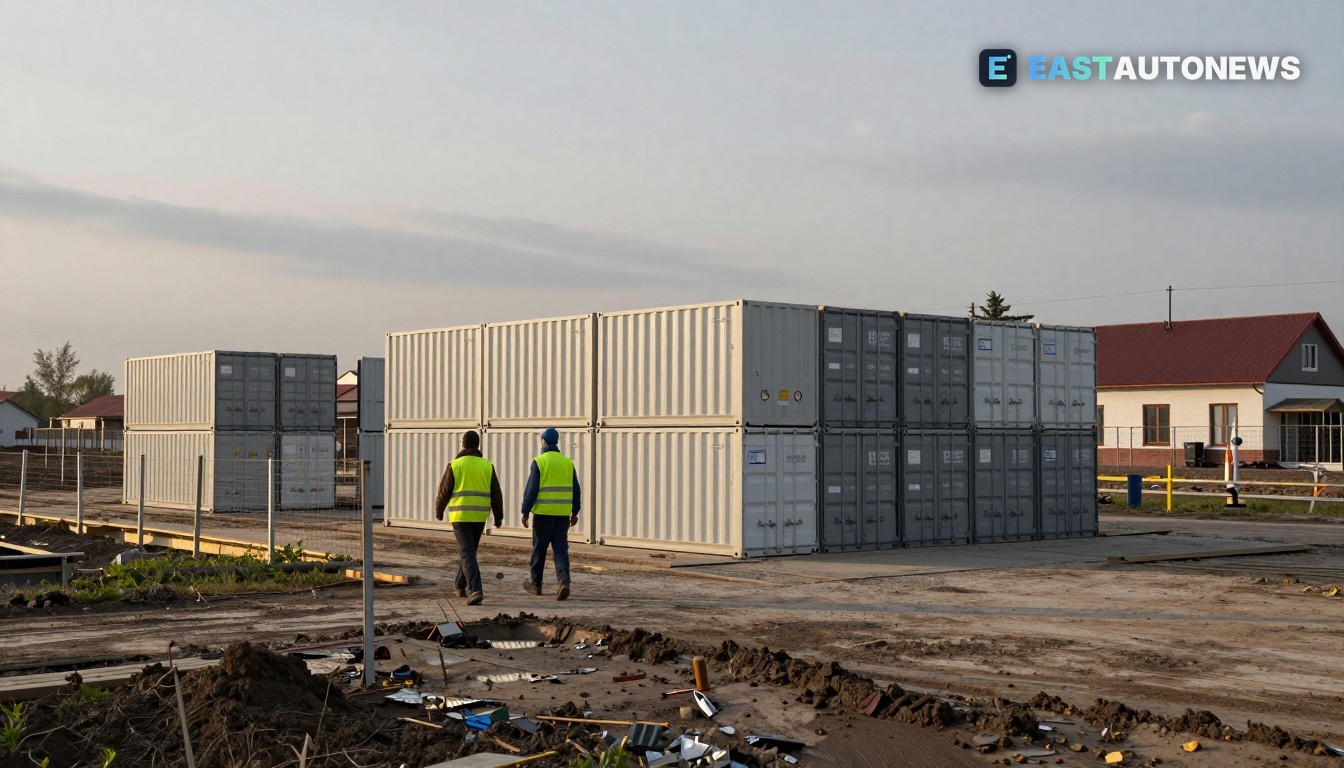
Waldevar won the EPC contract for GEN‑I Sonce’s Gheorgheni BESS in August, with delivery expected by the third quarter of 2027, according to ESS News’ earlier coverage of the contract award. The site is listed as a 55 MW / 220 MWh installation — one of the larger standalone utility‑scale BESS projects announced in Romania this year.
That matters because Romania’s pipeline of consented storage projects is large on paper but thin in buildable assets. CellsDesk’s CEE briefing points to ANRE data showing roughly 65.3 GW of storage with connection approvals on 1 August, while only about 3.38 GW had an establishment authorisation and around 989 MW were in operation — a gap that makes awarded EPC contracts and their delivery schedules particularly valuable.
What this means for the market
For carmakers, suppliers and charging‑network investors active in Central and Eastern Europe, the case is a reminder that grid‑side bottlenecks and contractor risk can slow the rollout of the storage and charging capacity that EVs require. When relatively few projects have full permits and reliable contractors, single contract disputes or criminal probes can disrupt timelines for sites that would be used to stabilise local grids and support fast‑charging clusters around cities or factories.
Practically, OEMs and large fleets that depend on third‑party merchant or grid‑connected batteries to smooth charging demand should watch how GEN‑I and Waldevar handle the Gheorgheni schedule and whether lenders or offtake partners seek additional assurances. CellsDesk notes that in markets where grid connection slots and established EPC partners are scarce, procurement due diligence becomes as important as the revenue model for a project.
At an industry level, the episode is also likely to sharpen investor focus on governance, compliance and contract transparency in CEE energy‑storage deals. Developers and integrators that can demonstrate audited procurement, third‑party legal reviews and clear handover plans should gain an advantage in a market where a handful of live projects carry outsized operational value.
News readers seeking fleet and dealer listings on WorldTrader24 →
Sources: ESS News, CellsDesk