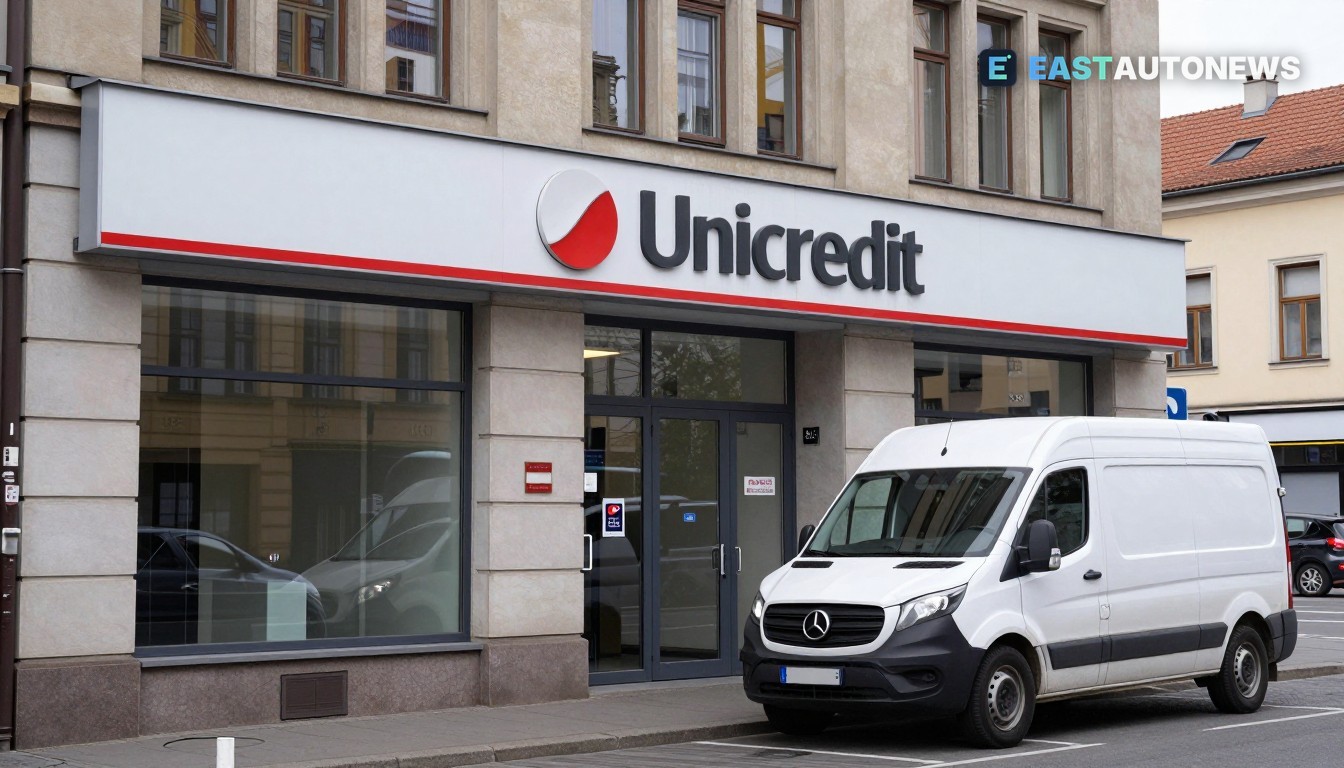
The European Commission unconditionally approved UniCredit’s proposed acquisition of Germany’s Commerzbank on 16 November 2026, concluding the transaction “would raise no competition concerns in the European Economic Area.”
Deal facts and financials
Brussels’ clearance follows notification of the transaction on 9 October 2026 and a Phase I review. In its press release the Commission noted the investigation focused on banking markets in Germany and found that UniCredit’s and Commerzbank’s combined market shares are “moderate”, with the only concentration risk identified in trade finance — a market where the Commission said several credible competitors remain.
UniCredit reported strong nine‑month results ahead of the clearance: a stated net profit of €3.3bn in Q3 2026 and a 9M26 net profit of €9.4bn, figures it said underpin its capacity to integrate Commerzbank and pursue the tie‑up. UniCredit also said remaining regulatory steps were expected by late November and that a new governance and integration phase (“Commerzbank Unlocked”) was due to start in early 2027.
Commerzbank is a major lender in Germany and, according to the bank’s own profile, serves almost 11 million private and small‑business customers and some 25,000+ corporate client groups — a footprint that includes cross‑border trade links into Central and Eastern Europe (through export finance and corporate banking relationships).
What this means for the market
For Central and Eastern Europe, the clearance matters because both banks have long corporate and retail networks that support the automotive industry. UniCredit describes itself as active across Europe, “particularly in Italy, Germany, Central and Eastern Europe”, and the combined group will hold deeper capabilities in trade finance, transaction banking and corporate lending — products used by carmakers, suppliers and ports.
Shifts in bank ownership and scale can affect conditions for loans, guarantees and letters of credit that automotive suppliers rely on for capex, working capital and export deals. The Commission explicitly examined documentary credit instruments such as letters of credit and guarantees in its review and found alternative providers remain available for corporate customers. That assessment reduces the immediate regulatory risk of constrained trade finance access, but it does not remove commercial or execution risks as integration proceeds.
UniCredit’s public materials highlight a strong capital and profitability position — the bank reported improving capital ratios and said it expects limited execution risk when it begins integration work — but the timetable for customer‑facing changes, shifting credit policies or branch and product rationalisation will depend on decisions after settlement and the new governance being put in place in 1Q27.
Automakers, tier‑1 suppliers and logistics operators in CEE that use letters of credit, export finance or syndicated loans should expect communications from their banking partners in the coming weeks and months. Companies with active financing or rolling facilities may wish to review counterparty terms and contingency options with their corporate banks and advisers while regulatory approvals are completed.
WorldTrader24 B2B vehicle marketplace for dealers →
Sources: European Commission, UniCredit, Commerzbank