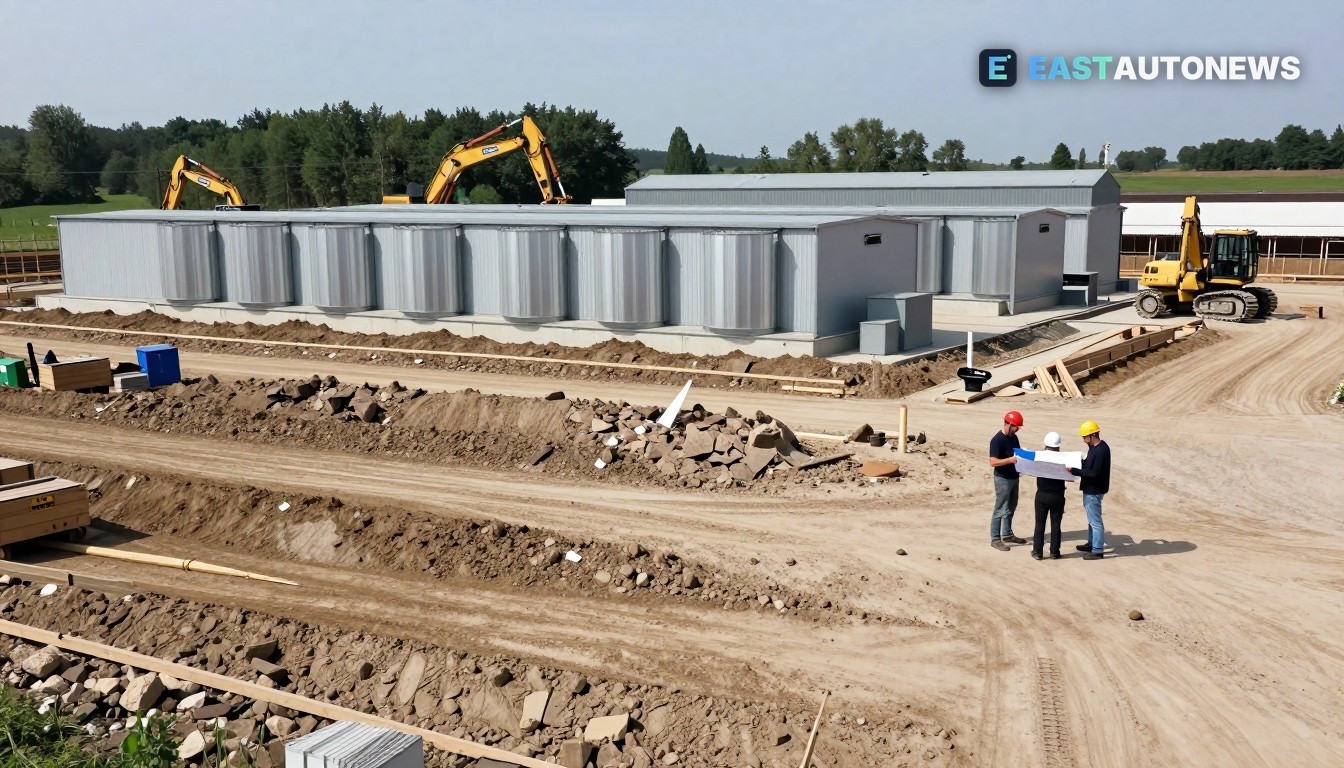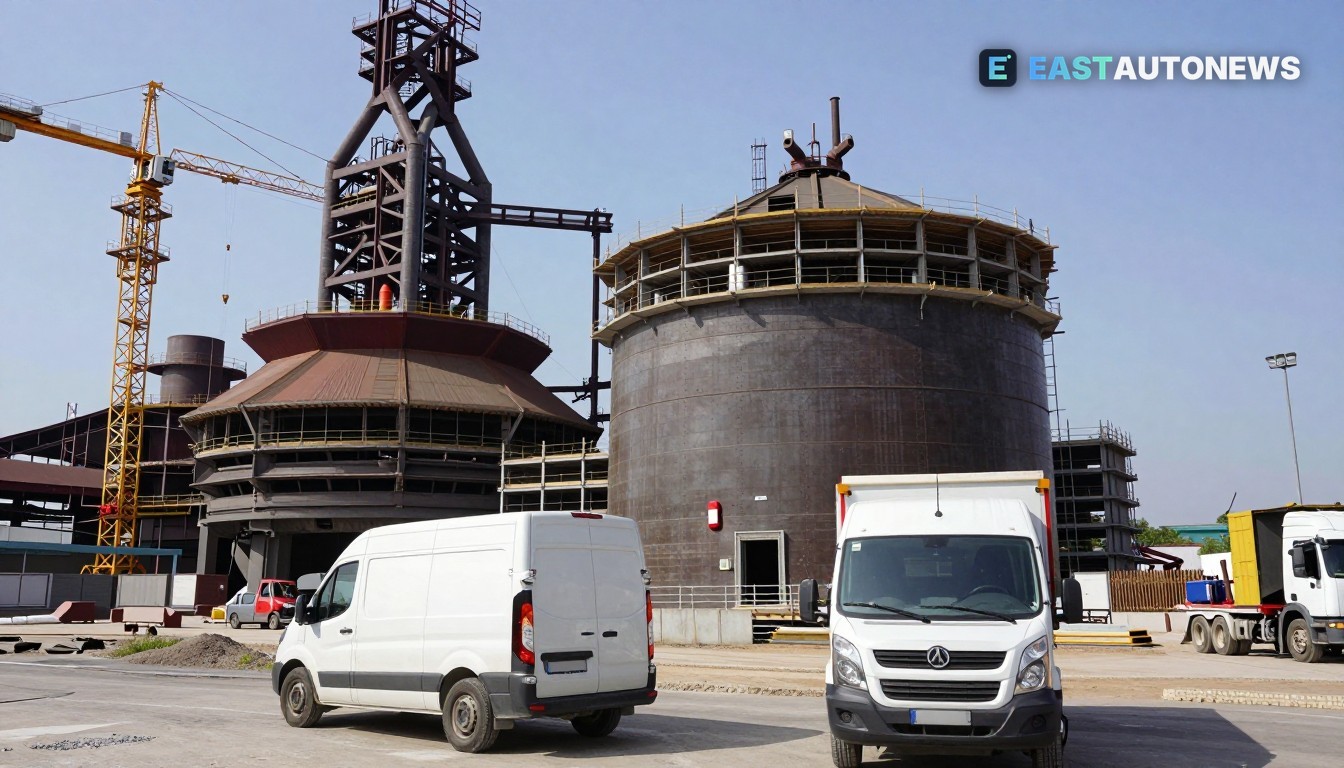
Nippon Steel has confirmed a major investment in Slovakia that will reshape the region’s steel supply for the automotive sector. The company’s Košice unit has approved a roughly €900 million programme to install a new electric‑arc furnace (EAF) with an associated air‑separation unit, a project that Nippon Steel and Slovak authorities say will be supported by up to €350 million of grants from the Slovak government and the EU Modernisation Fund.
Project details and timeline
The approved investment covers an EAF with expected annual capacity of about 1.6 million tonnes and related plant works. Nippon Steel’s documentation and regional industry reporting place commissioning of the new EAF in 2030, with the air‑separation unit due in 2029. The Košice works — now part of Nippon Steel’s European operations following earlier corporate moves — will operate the EAF alongside its existing blast‑furnace assets.
Company statements and reporting note that the switch to EAF technology is intended both to secure long‑term local supply of high‑grade steel products used in car bodies and closures, and to lower the plant’s carbon intensity. Nippon Steel’s public investor materials list the Košice investment as part of a broader capital programme to decarbonise and modernise the group’s European footprint.
What this means for the market
For Central and Eastern Europe’s auto industry, the Košice upgrade matters on three counts. First, it secures a large local source of automotive‑grade steel (the planned 1.6 Mt/yr capacity), reducing dependence on longer supply chains and exposure to shipment disruptions. Second, the shift to EAF technology aligns local input‑material emissions with EU decarbonisation rules and buyer preferences: lower‑carbon steel can help carmakers meet Scope‑3 and procurement requirements. Third, the substantial public support (up to €350m from national and EU Modernisation Fund sources) signals that EU financing mechanisms are being used to retain and green vital upstream suppliers inside the single market.
Analysts say the timing — start of operations planned around 2029–2030 — fits the window in which European automakers will increasingly demand lower‑carbon inputs for EV and ICE production alike. Local suppliers and vehicle assembly plants in Slovakia and neighbouring countries stand to gain shorter lead times and more competitive deliveries as the new EAF comes on stream.
However, industry observers warn that building and commissioning an EAF of this scale is capital‑intensive and multi‑year; the project will need serial deliveries of scrap, finished‑steel handling capacity and stable power supplies to deliver the promised emissions and supply‑security benefits. The availability and cost of (low‑carbon) electricity in CEE will therefore remain a key variable.
Electric vehicles listings on WorldTrader24 →
Sources: Nippon Steel Corporation, MetalMate Intelligence, IndexBox.