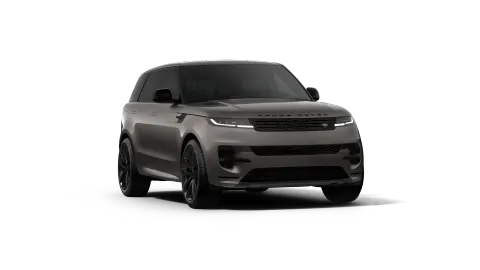
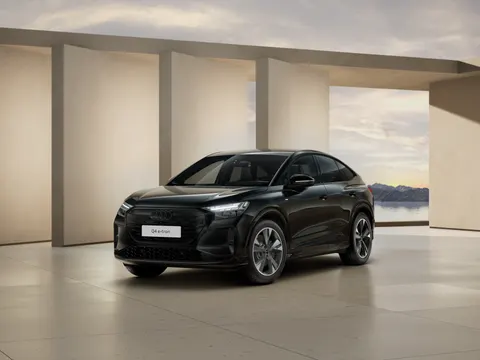
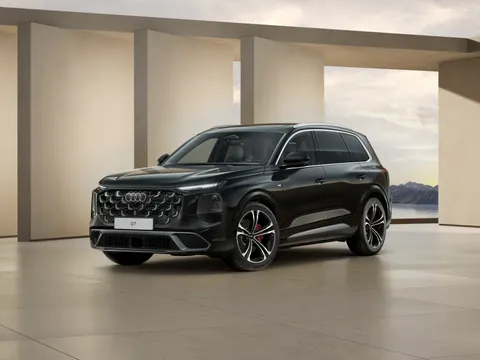
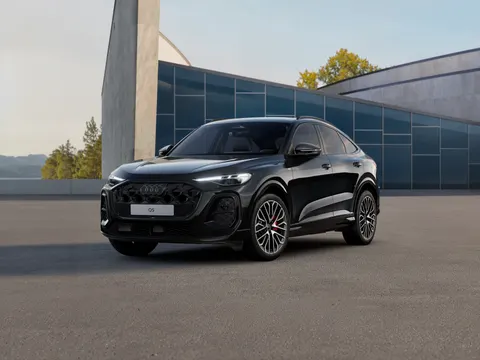
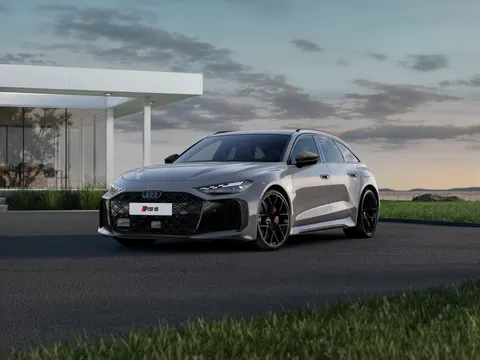
Few economies lean on carmaking the way Slovakia's does, which is why a single phrase — relocating Audi SUV production to the United States — is enough to set off political sirens in Bratislava. Opposition politicians have publicly warned that such a move by Volkswagen could seriously hit the group's Slovak plant, the site where those Audi SUVs are built. For a country whose industrial identity is inseparable from Volkswagen's local footprint, this is not an abstract debate about corporate strategy; it is a question of staying on the map while global production lines are redrawn.
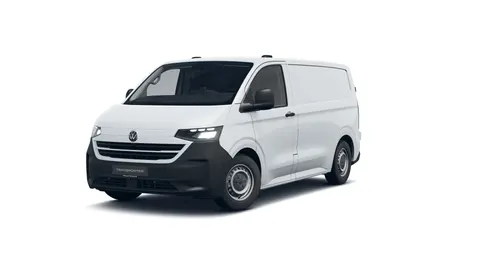
And the shake-up may not stop there. According to Slovak media reports, Volkswagen also operates a plant in Martin, in central Slovakia — and plans to transfer that facility to MAN, the truck maker, as part of a sale inside the Volkswagen Group. Two structural shifts at once: one plant's future clouded by a possible American detour, another being passed along within the corporate family. For Slovakia's automotive ecosystem, the combined effect would be anything but routine.
The Economy Ministry, for its part, is steering the narrative in the opposite direction. It says it has been holding long-term discussions with the group's management on broader plans and the future of production in Slovakia — including, pointedly, opportunities to expand production capacity. In the ministry's framing, this is a negotiation about growth rather than a slow-motion exit, and Bratislava intends to make its case before decisions are taken.
The opposition's urgency has a fresh precedent to cite. Schaeffler has confirmed it will cut hundreds of jobs in Slovakia as the car industry struggles. “Measures at the Slovak plants relating to part of our bearing production are planned over a four-year period, from 2027 to 2030,” said Miroslav Janota, who heads Schaeffler's Slovakia and Czech Republic operations. When tier-one suppliers are already trimming capacity, the prospect of a carmaker pulling volume across the Atlantic lands very differently.
What happens next will be watched well beyond Slovakia's borders. For Central Europe's automotive heartland, the Volkswagen deliberations have become a stress test of whether governments can turn dialogue into commitments before warnings harden into decisions. The ministry's talk of expanding production capacity suggests Bratislava believes it can win that argument; the opposition's alarm suggests the country cannot afford to find out otherwise.
Whatever the outcome on the factory floor, Europe's vehicle market remains remarkably well supplied. Readers looking for a vehicle can find sensational cars at sensational conditions at WorldTrader24, Europe's marketplace with over 70,000 vehicles.