Poland’s Polska Grupa Zbrojeniowa (PGZ) confirmed this week that two of its units — MESKO and Jelcz — will receive state-backed investment to expand production capacity, a move with knock-on effects for the Polish vehicle and supplier base. The agreements were signed on 13 and 16 November 2026 and channel support through the Fundusz Inwestycji Kapitałowych (FIK).
Numbers and schedules
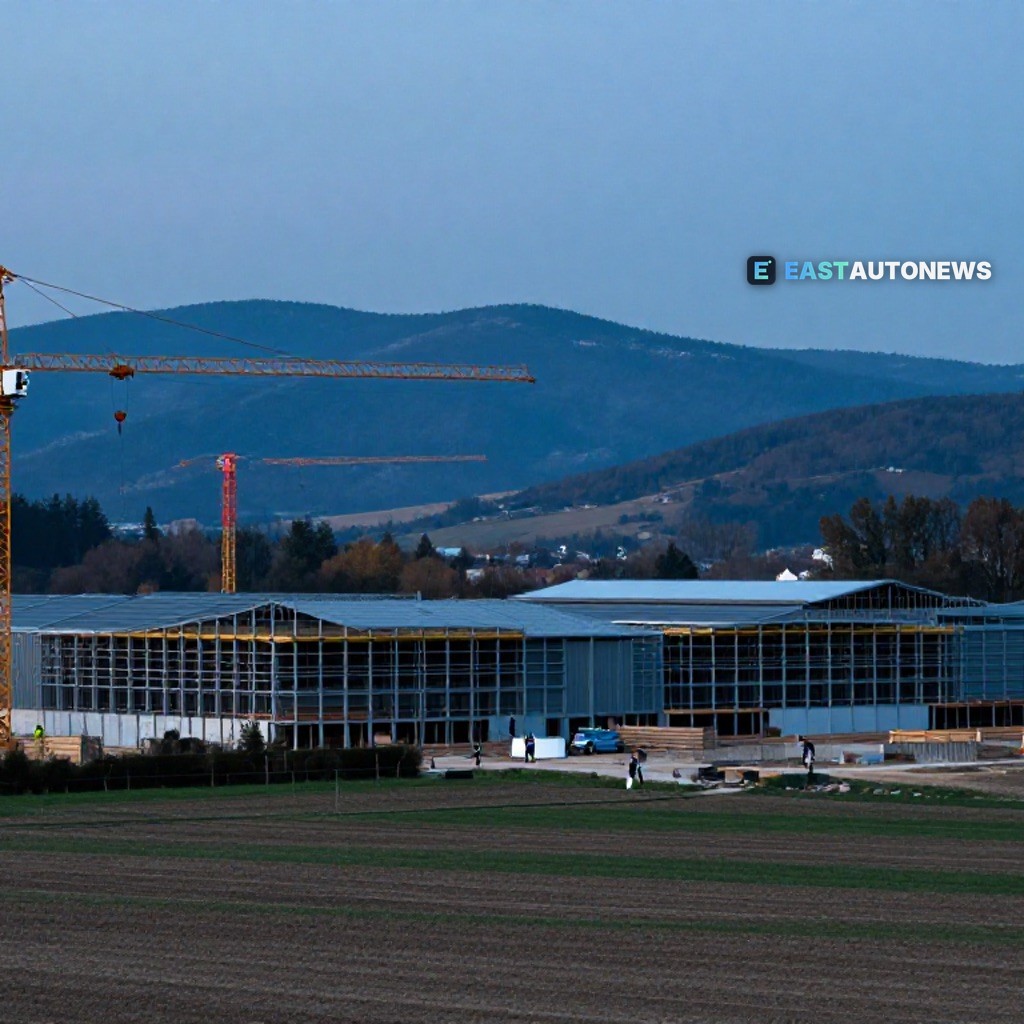
The MESKO project, described as “Increasing production capacity of rocket systems including PIORUN and PIORUN 2,” will receive PLN 368,750,000 from the FIK. The total value of that MESKO project is PLN 400,350,000 (including a PLN 31,600,000 company contribution), and completion is planned for December 2028. MESKO says the investment will allow the company to increase output to about 2,500 rocket systems a year.
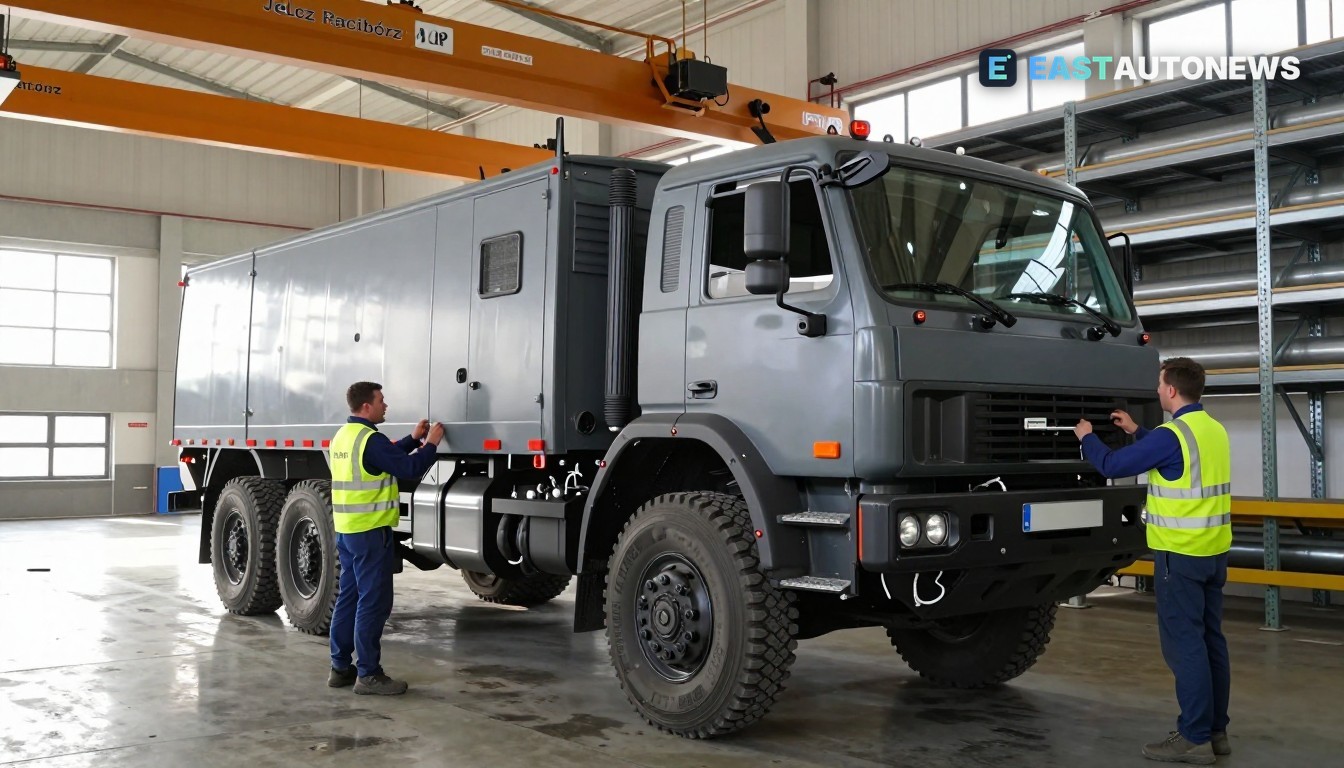
Jelcz will receive PLN 300,000,000 from the same fund for a project titled “Establishment of a Jelcz branch in Racibórz.” MESKO’s announcement puts total planned capital expenditure for the Jelcz project at PLN 578,642,183.30 (PLN 300,000,000 from FIK plus PLN 278,642,183.30 of own and other financing). The Racibórz branch is expected to reach an annual output of roughly 700 vehicles; the Jelcz investment is scheduled to complete in December 2029.
Official lines and context
PGZ’s chief executive, Adam Leszkiewicz, framed the moves as both industrial and strategic. “This is our real contribution to building the country’s defence,” he said in the company statement; MESKO’s website carries the Polish line „Tak się produkuje polskie bezpieczeństwo.” The ministry and PGZ presented the FIK backing as part of a broader government effort to strengthen domestic production and local content in defence-related manufacturing.
What this means for the market
For the Central and Eastern European automotive and supplier market, the Jelcz announcement matters on three counts. First, it sustains demand for heavy‑vehicle chassis, drivetrains and specialised bodywork from local suppliers — components that often overlap with civilian commercial‑vehicle platforms. Second, the use of assets acquired from RAFAKO in Racibórz and the scale of the planned output (circa 700 trucks/year, plus a separate Miłoszyce line projected at ~1,600 units/year) underpin regional capacity that OEMs and tier‑1s can leverage for non‑defence business. Third, the size and state backing of the package signal continued political will in Poland to support domestic manufacturing through direct capital instruments rather than only subsidies or tax measures.
MESKO’s rocket‑system ramp — funded at PLN 368.75m — also has supplier implications: increased demand for precision machining, electronics, and specialised materials will broaden opportunities for Polish subcontractors already engaged in automotive‑grade fabrication and systems integration. That could help smooth part of the industry’s sourcing shift toward CEE as Western European plants retrench or automate.
Sources: MESKO S.A., Ministerstwo Aktywów Państwowych (Gov.pl), TGOs