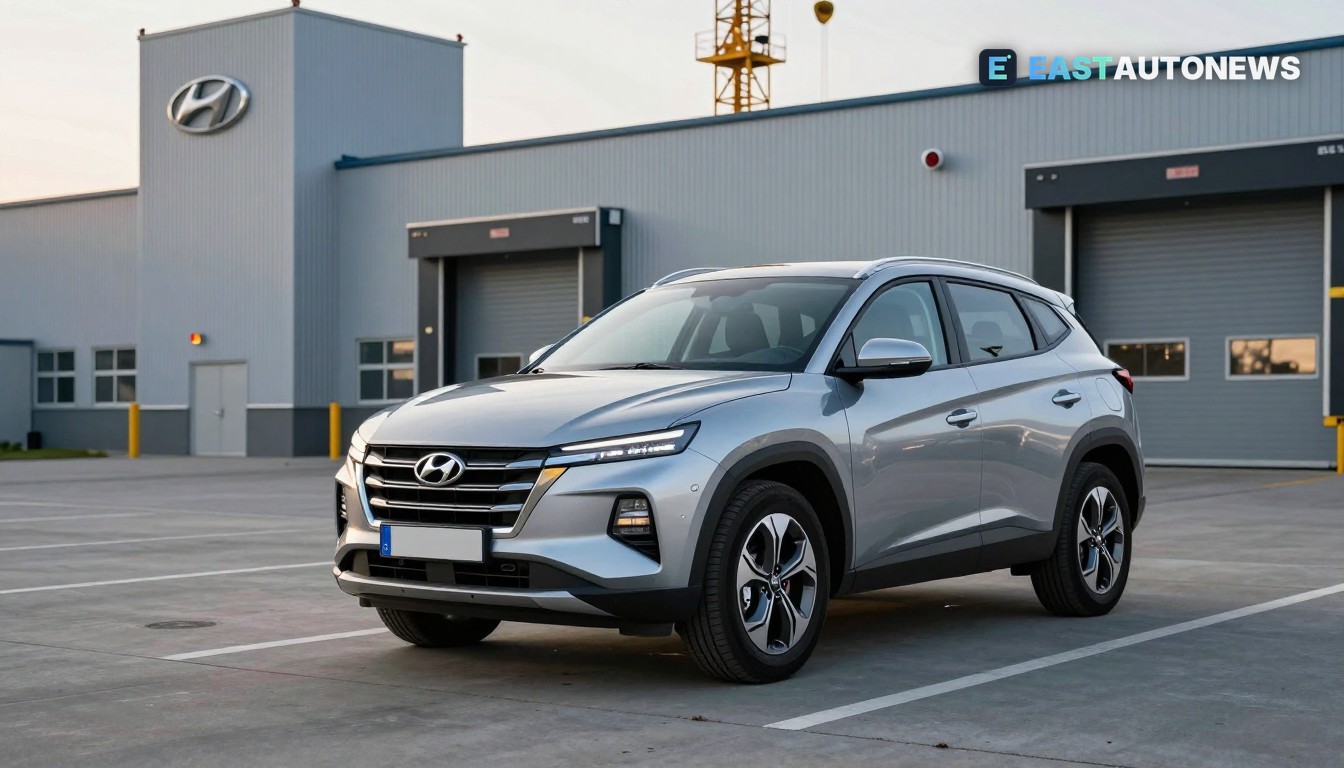
Germany's automotive future is facing one of its sternest tests after Mercedes-Benz suspended investment in its German production and Volkswagen pushed ahead with deep job cuts, with four of its domestic plants under consideration for possible closure. The twin retreats by two of the country's flagship manufacturers have pushed the structural weaknesses of German carmaking — above all its cost base — back to the centre of the industry debate.
The numbers explain why. Production costs at German plants run between €3,500 ($3,840) and €5,000 per vehicle, much higher than in Eastern Europe, where they range from €2,000 to €2,500, according to DW reporting. That is roughly double the per-unit cost of building a car in the region — a gap that is increasingly hard to justify to shareholders and increasingly decisive when boards allocate new models.
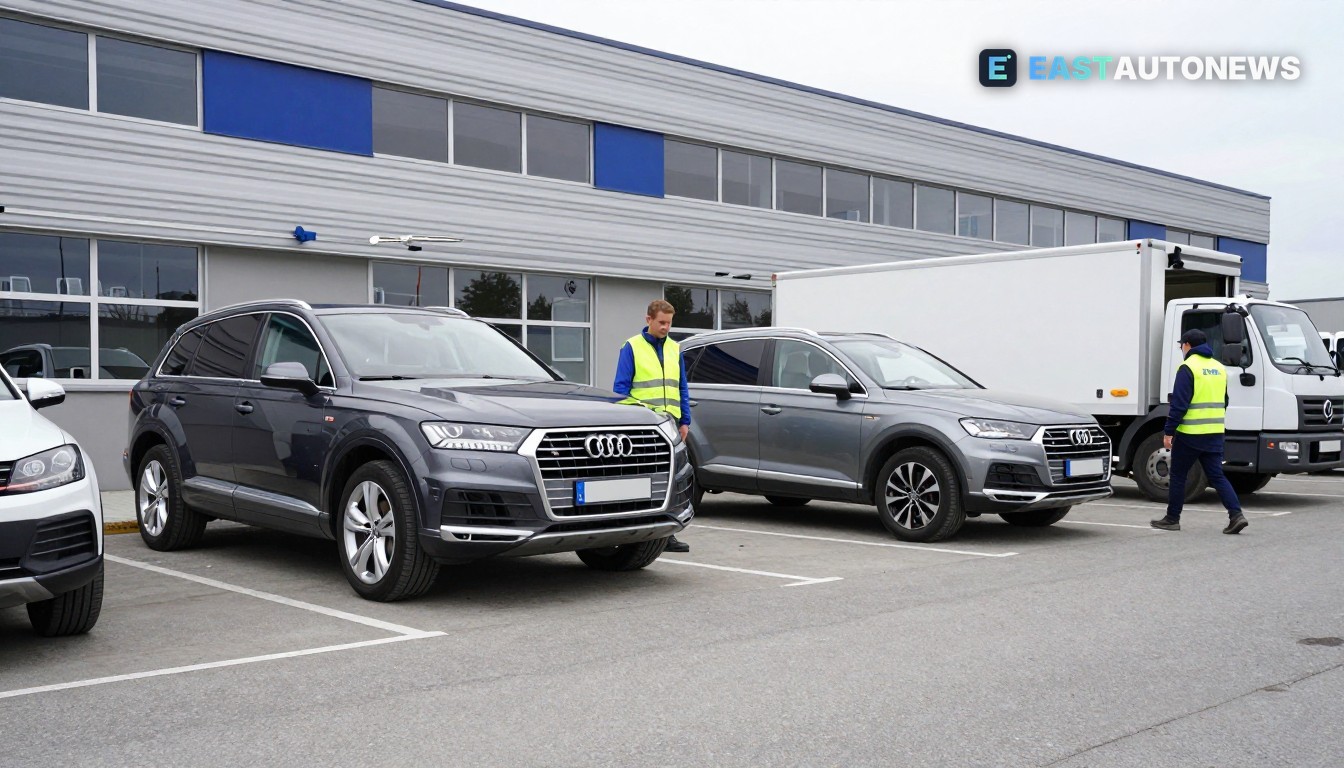
Volkswagen's retrenchment is the sharpest expression of the pressure. The group intends to cut 100,000 jobs worldwide by 2030, with four German plants flagged as possible closures, DW and UA.NEWS report. bne IntelliNews, citing the restructuring plan to 2030, puts the toll at around 50,000 job cuts on top of the 70,000 already announced — and, crucially for this region, the Audi plant in Gyor, Hungary, may also be on the list.
The irony is that Eastern Europe's plants were built precisely to escape Germany's cost problem. The cheap-labour bargain drew Volkswagen to Bratislava and Mlada Boleslav, Audi to Gyor and, later, Mercedes to Kecskemet. Since then, however, wages have run ahead of output, with hourly labour costs in Czech manufacturing climbing as emerging markets catch up — eroding the very advantage that brought the factories to the region in the first place.
For Central and Eastern Europe, the German investment pause therefore cuts both ways. The persistent per-vehicle cost gap argues for more production moving east, yet the possible inclusion of Gyor in Volkswagen's review shows the region's sites face the same scrutiny as those in Germany. Where the next generation of models will be built is now an open question — and one that will shape the region's industrial map for years to come.
For buyers and dealers, the reshuffling of European production ultimately lands at the point of sale, in prices and availability. In a market this fluid, comparing offers across the continent is the smartest purchase strategy: readers looking for a vehicle can find sensational cars at sensational conditions at WorldTrader24, Europe's marketplace with over 70,000 vehicles.