Hungary’s post‑election regulatory reset for battery projects is shifting supply‑chain dynamics for carmakers across Central and Eastern Europe. Authorities have annulled a newly issued permit for an electrolyte plant at Sóskút and left a separator factory in Debrecen shut for months, even as CATL reports trial production at its large Debrecen cell site. The moves expose suppliers — not the largest cell makers — to the first and hardest effects of tighter oversight.
What the authorities did and when
Interior Minister Gábor Pósfai announced on 18 October 2026 that the second‑instance environmental authority had annulled the environmental permit for Dongwha’s Sóskút electrolyte plant; local reporting shows the decision followed appeals by the municipality and a civil group. Separately, Semcorp’s separator plant in Debrecen has been under a production ban since late June and remained closed into autumn. At the same time, CATL says it started trial production at its Debrecen cell site on 22 September, though that is not series output.
Those interventions have followed a wider inspection programme launched on 1 August and a government decision on 16 August to remove the prior “key investment project” exemptions that had let battery projects bypass certain environmental and planning steps. The government has also signalled much higher penalties for breaches — proposals include raising maximum fines up to 5 billion forints and tying minimum fines to a percentage of revenue after repeat violations.
What this means for the market
The immediate burden has fallen on materials makers: Semcorp (separators) and Dongwha (electrolyte) faced the strictest actions, while large cell projects can better absorb delays and compliance costs. Benchmark’s pre‑reset April forecast put Hungary at about 127 GWh of active cell capacity by end‑2026 and independent tallies show roughly €26 billion of battery investment attracted to Hungary since 2021 — figures now at risk of revision as permit procedures and fines change. For automakers and Tier‑1s, that means potential lengthening of supply routes, short‑term price pressure for materials and a need to budget contingency for longer lead times.
The legal landscape is mixed: a local court on 30 October dismissed a long‑running residents’ challenge to CATL’s Debrecen permit after finding the plaintiffs lacked standing following documentation revisions — a decision observers say removes one overhang but does not negate ongoing inspections or permit reviews. Even with that ruling, CATL’s initial operations remain at trial scale and suppliers that lost permits cannot easily substitute capacity at short notice.
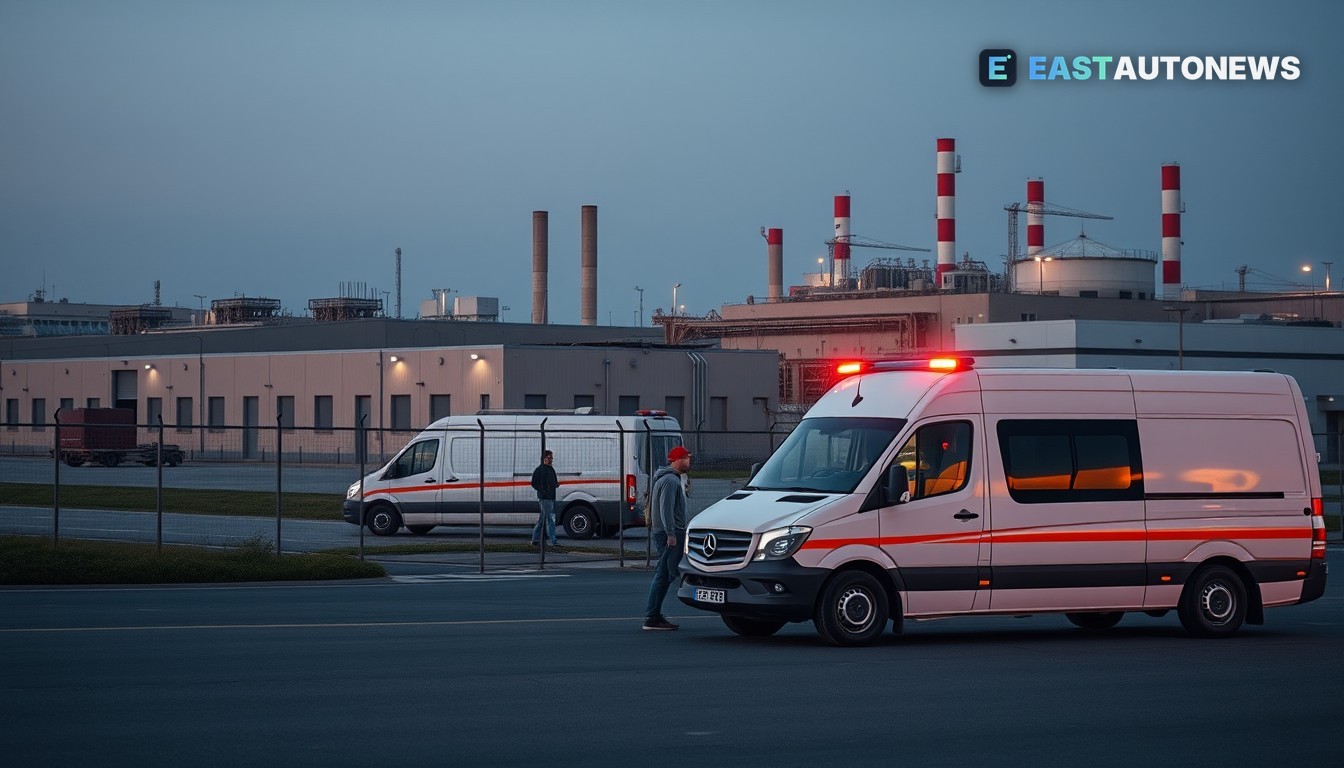
Regional carmakers may react differently. Large OEMs with multi‑sourced battery contracts and stronger purchasing power can absorb higher logistics costs or accept temporary overseas sourcing — Mercedes Vans has already rerouted some packs away from Hungary in response to delays, according to reporting — but smaller suppliers and local content plans stand to suffer most if domestic materials lines remain closed or face extended re‑approval.
For policy and investment, the Hungarian case is a test for Brussels’ localisation push. EU policymakers seeking more battery capacity inside Europe must reckon with the compliance and environmental costs that national regulators now insist upon; investors will price those into project appraisals. As Battery‑Tech put it, Hungary is "charging what the old terms left out" — water management, soil risk and a stricter permitting baseline.
Electric vehicle listings on WorldTrader24 →
Sources: Battery‑Tech Network, 24.hu, Reuters (via MarketScreener), Hungary Today