The European Commission on 19 November 2026 moved to enforce EU environmental law against two Central European members, sending a letter of formal notice to Poland over shortcomings in Environmental Impact Assessment (EIA) practice and issuing a reasoned opinion to Slovakia for failing to fully implement the Aarhus Convention on access to information, public participation and access to justice. These formal steps are part of the Commission’s regular infringements package published on 19 November 2026.
What the Commission says
In its press release the Commission said Poland had not completed required EIA screening and follow-up assessments for a number of existing coal mines and therefore opened a letter of formal notice (INFR(2026)2263), giving Warsaw two months to respond. At the same time it issued a reasoned opinion to Slovakia (INFR(2023)2177), finding national rules do not give the public clear and precise means to challenge administrative decisions under EU environmental law. The actions can escalate to the Court of Justice if member states fail to remedy the breaches.
Why this matters to the car industry
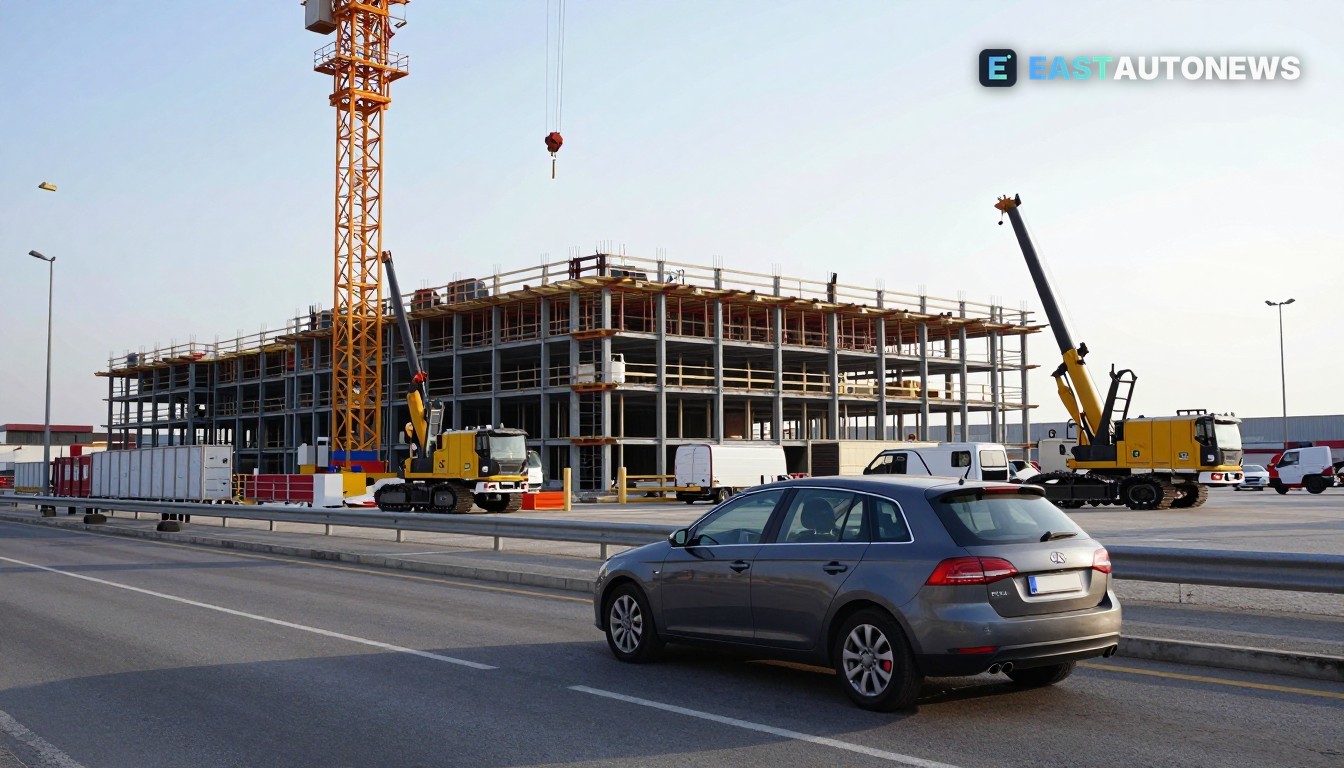
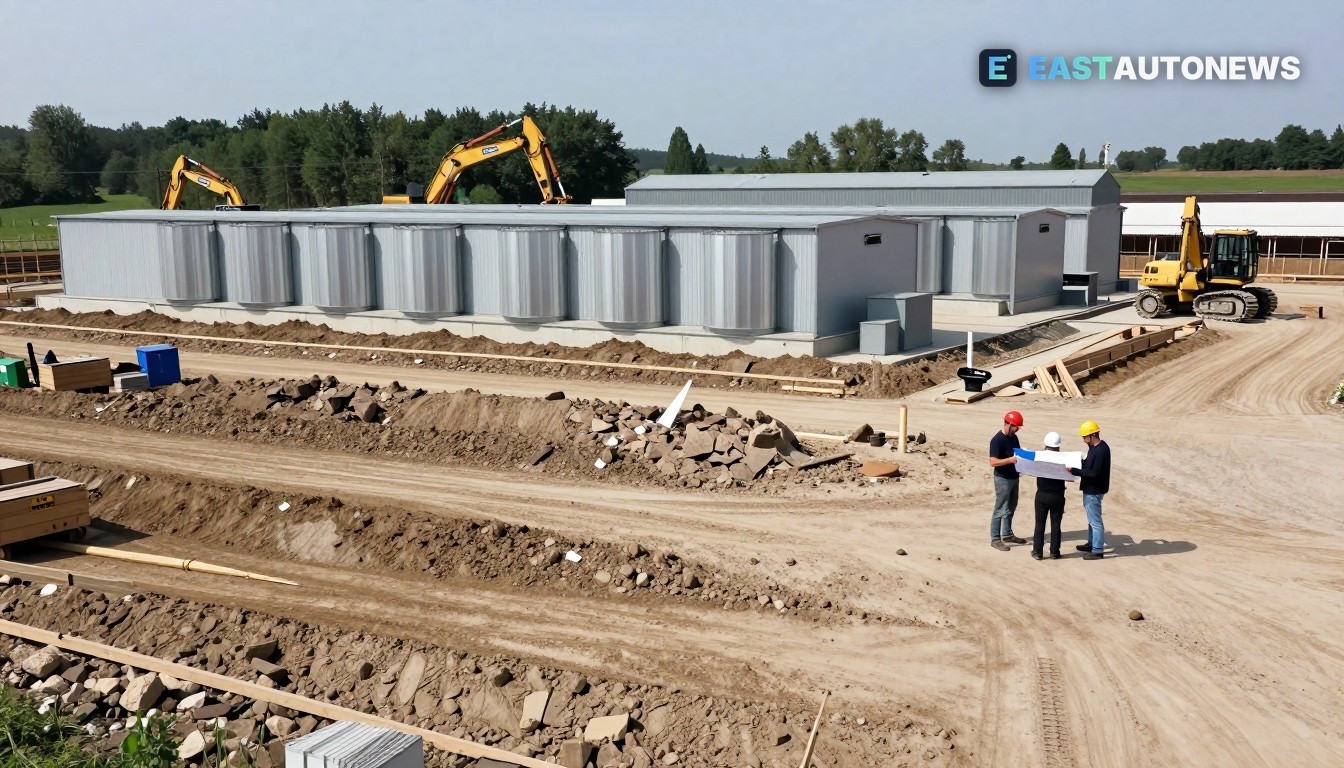
Permitting and public‑participation rules have become central to siting and operating large‑scale projects that underpin electrification in Central and Eastern Europe — above all battery plants, cell lines and associated infrastructure. Projects such as the planned battery facility at Šurany in Slovakia have already faced intense local scrutiny over environmental assessments and public consultation; weak or ambiguous national procedures increase the risk of legal challenges and delays.
Similarly, the roll‑out of large cell plants and upstream suppliers in the region — for example the CATL cell complex in Debrecen, Hungary, which the company says will reach high capacity levels — shows how sensitive production timelines are to environmental permitting and judicial review. Where national procedures are judged to fall short of EU standards, companies and host governments face higher legal and political risk.
What this means for the market
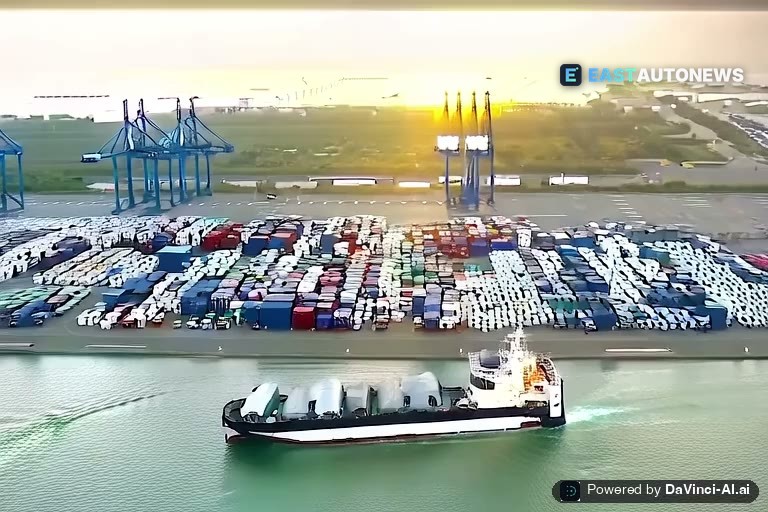
Manufacturers, suppliers and investors will watch member‑state responses closely. A formal EU reasoned opinion or a court referral can lengthen approval timetables and raise compliance costs for projects that depend on secure, timely permits — notably battery gigafactories, energy connections and large logistics terminals that are crucial to the region’s automotive supply chain. At the same time, member states that show rapid alignment with EU rules reduce project risk and therefore attract more stable investment. In Slovakia the government has introduced unified permitting reforms in recent years to speed up some renewables and industrial approvals, but the Commission’s action shows gaps remain in access to justice and public challenge procedures.
For CEE carmakers — many of which are planning or expanding electrified vehicle and battery operations in the region — the message is clear: compliance with EU environmental and participation law is now a material element of project risk and site selection. Firms and their suppliers should factor potential legal‑process exposure into timelines and contingency planning.
Electric vehicle listings on WorldTrader24 →
Sources: European Commission, EUbusiness