The Hungarian Battery Days conference in Debrecen on 4–5 November brought industry leaders and investors to eastern Hungary to discuss the transition from factory building to production ramp‑up across Europe’s battery capacity. Speakers said the region has entered a “decisive phase” in which newly built plants must reach stable output while supporting the emergence of local supplier networks.
Conference: ramping up, not just building
Ilka von Dalwigk, director general of RECHARGE (the European battery association), told delegates that production — not announcements — is now the industry’s priority and called for transitional support for large plants that have started operations but are still scaling. The conference also hosted representatives of the European Battery Alliance and a forum for start‑ups and investors.
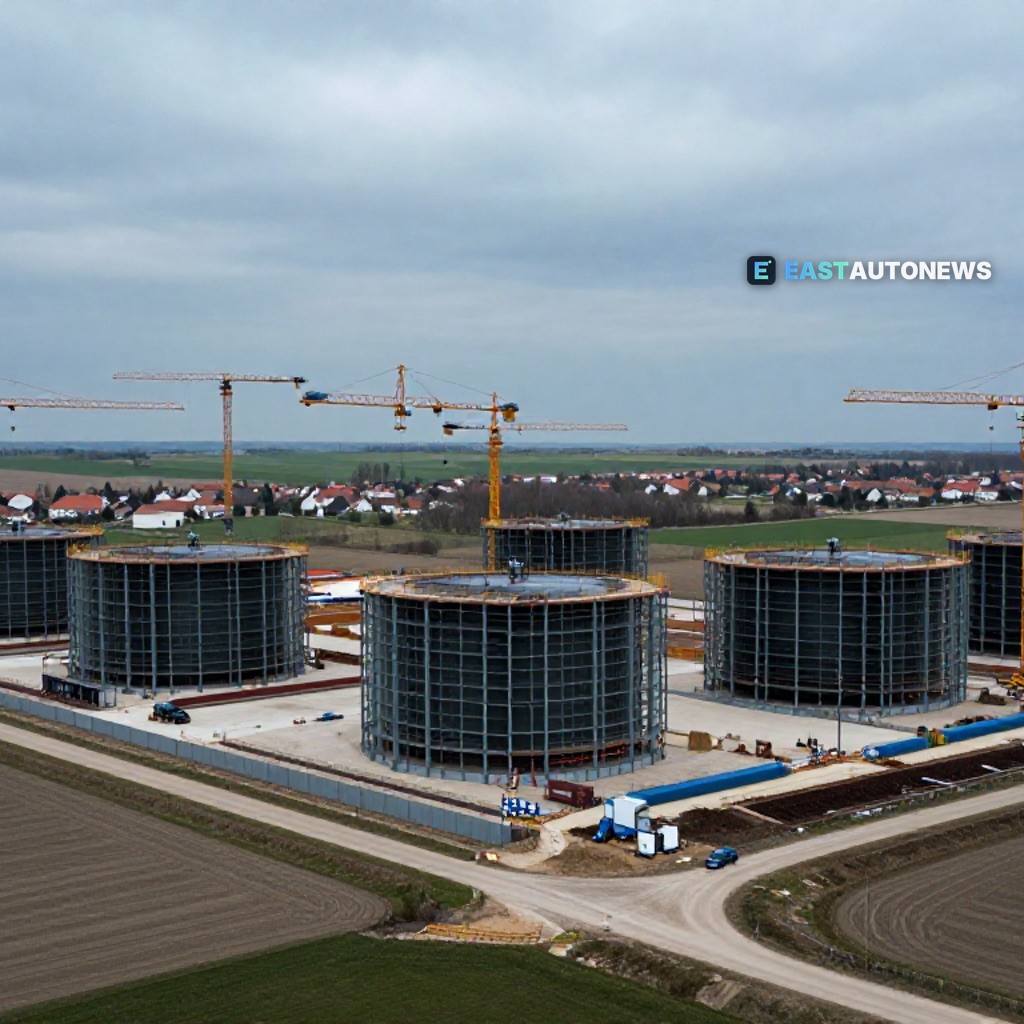
Organisers arranged site visits on 5 November to both CATL’s Debrecen cell plant and BMW Group Plant Debrecen, underlining the local industrial cluster that has formed around the new facilities. The Hungarian Battery Days agenda lists the two exclusive site visits as part of the programme.
CATL in Debrecen: modules, trial cells and figures
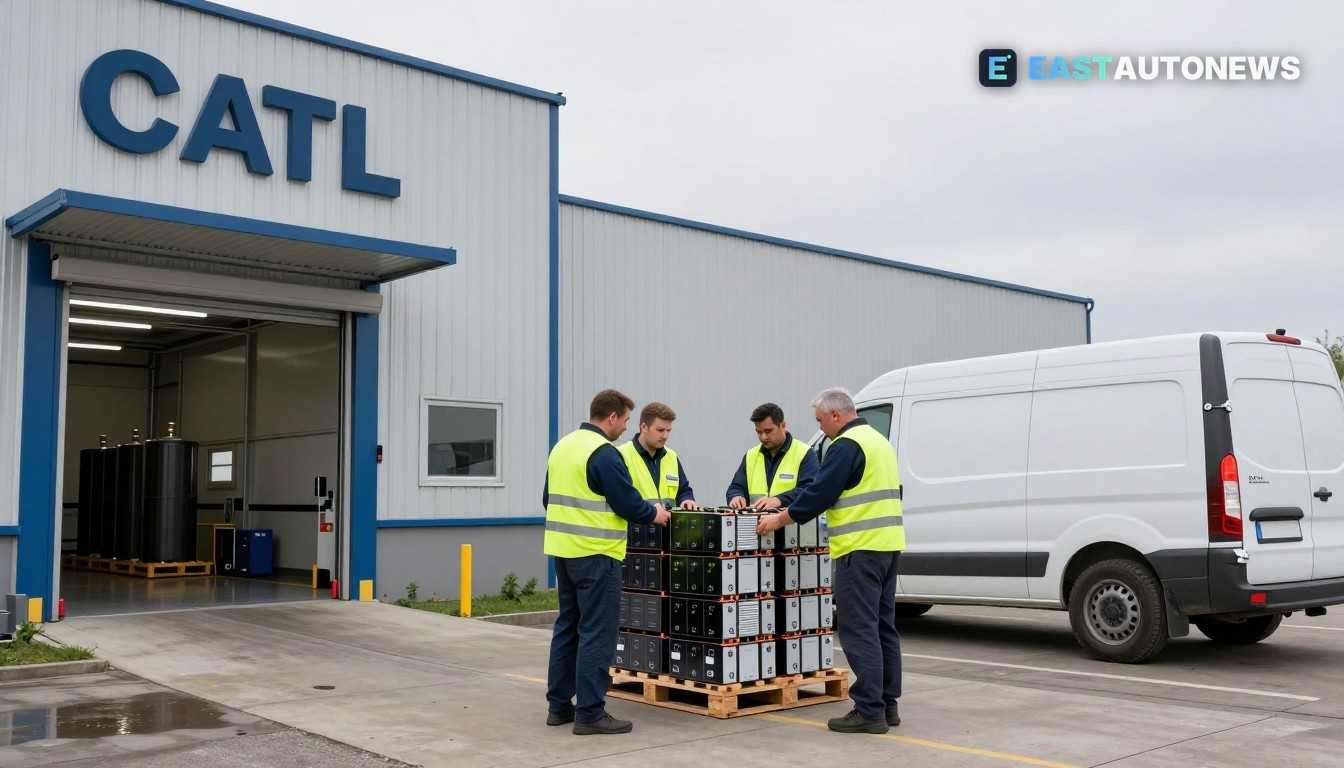
Speakers at the event highlighted progress at CATL’s Debrecen complex. According to reporting from the conference, module production at the site began in September 2024 and, by early November 2026, the plant had manufactured and delivered about 630,000 modules, with daily module output approaching 3,000 units. Trial production of cells used in those modules started on 22 September 2026; the next milestone identified at the conference is moving cell production from trial runs to regular deliveries. Qin Liang, managing director of the Debrecen plant, warned that “the safety of a battery pack is determined by its weakest cell,” and stressed the need to eliminate defects as production scales.
While the debate in Debrecen focused on manufacturing and quality, the event also exposed local tensions: protesters gathered outside the CATL plant on 6 November to criticise the choice of location for the conference and to voice broader environmental and social concerns about battery investments. Organisers and company representatives proceeded with the scheduled site visits despite demonstrations.
What this means for the market
The shift at Hungarian Battery Days from project announcements to operational challenges matters for automakers and suppliers across Central and Eastern Europe. If plants such as CATL’s can convert trial runs into stable cell deliveries, Europe’s vehicle makers will be nearer to sourcing locally made cells and modules — a key element for supply‑chain localisation and for meeting evolving EU industrial and content rules. At the same time, conference calls for transitional support underline the financial strain companies face while ramping to nameplate capacity. The visible local protests also highlight that industrial scale‑up carries reputational and permitting risks that can affect schedules and community relations.
Electric vehicle listings on WorldTrader24 →
Sources: dehir.hu, Debrecen4U