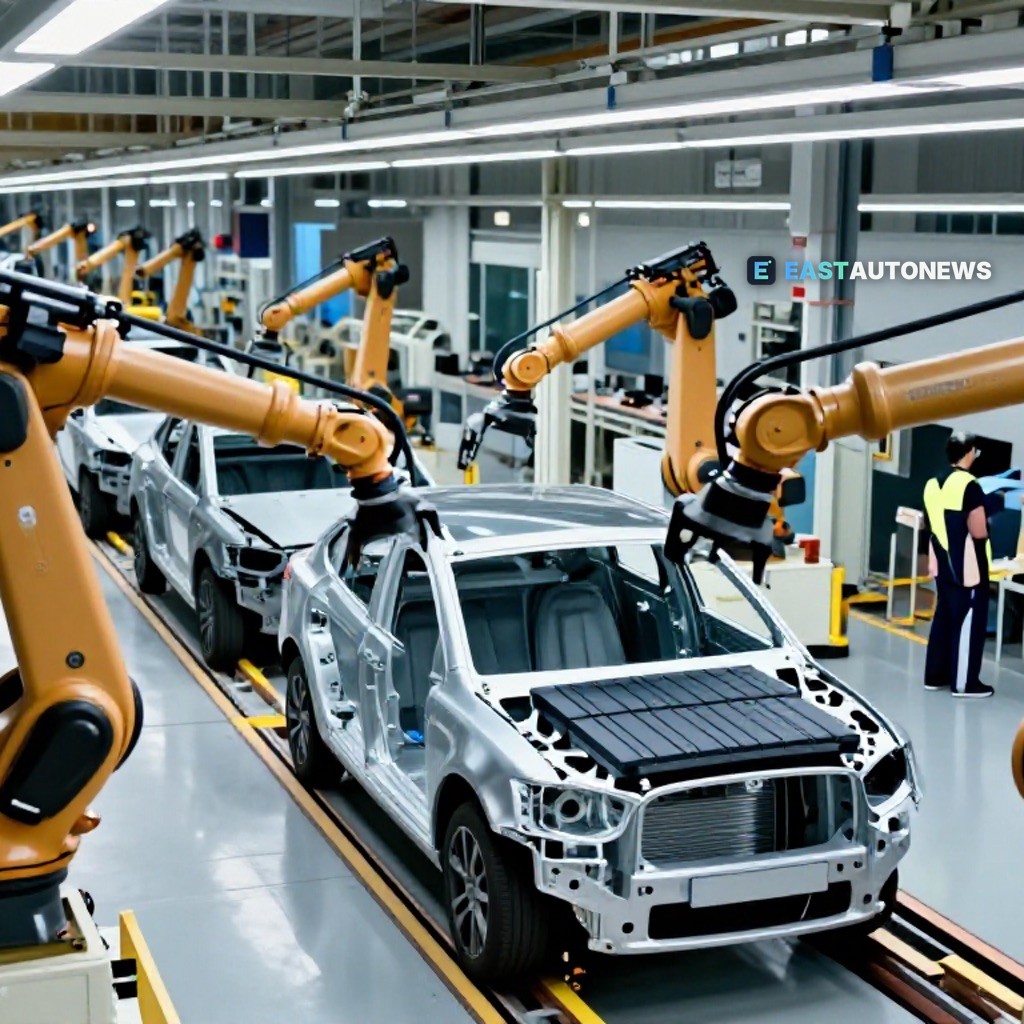
Lithuania is not a name that springs to mind alongside the region's car plants, yet its credentials in automotive components are harder to overlook. Continental AG's move in 2018 to build a factory for high-precision car electronics remains the biggest greenfield investment project in the country so far. That benchmark says much about where Lithuania sits in Europe's automotive supply chain — not at the final assembly line, but in the electronics that feed it.
Nor was the Continental plant an isolated bet. Economy profiles of Lithuania point to a second German manufacturer of lighting technology with operations in the country, giving the Baltics a small but notable German supplier footprint. Two investors do not amount to a Central European-scale cluster, but they mark Lithuania as more than a footnote — and high-precision electronics is precisely the kind of high-value manufacturing that trades on engineering quality rather than volume.
The build-out also sits against a lively European dealmaking backdrop. In its latest weekly recap, Tech.eu counted more than 60 funding deals worth over €1.3 billion across Europe last week, alongside over 10 exits, M&A transactions and related stories. The survey spans the tech sector broadly rather than automotive alone, but it signals how much capital is circulating in the markets where Lithuania's electronics suppliers — and their prospective competitors — operate.
For the wider CEE industry, the significance lies less in volume than in mix. While the region's recent headlines have centred on vehicle assembly projects, Lithuania's strength in precision electronics points to a different lane — one that gains strategic weight as cars carry ever more electronic content, from driver-assistance systems to adaptive lighting. Component capacity inside the EU, close to German engineering customers, is the sort of asset that compounds in value with each model generation.
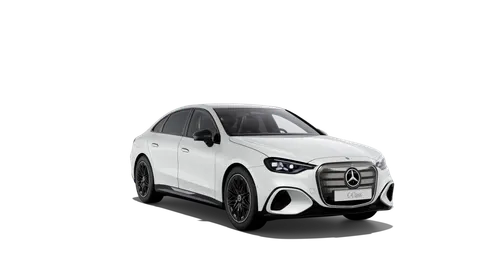
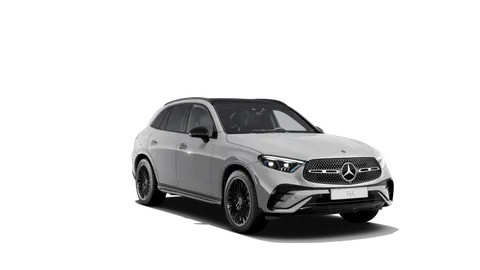
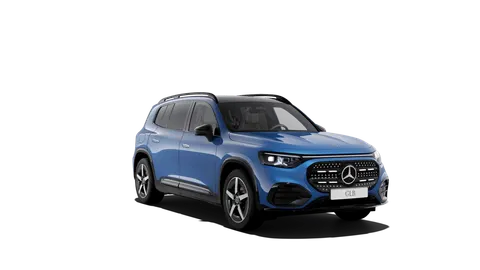
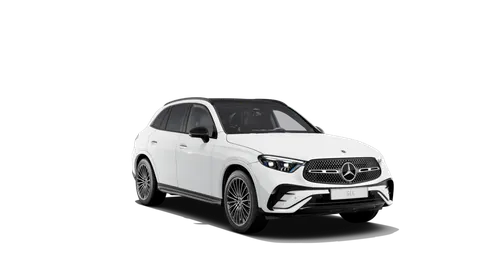
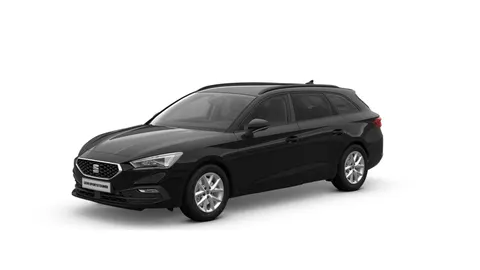
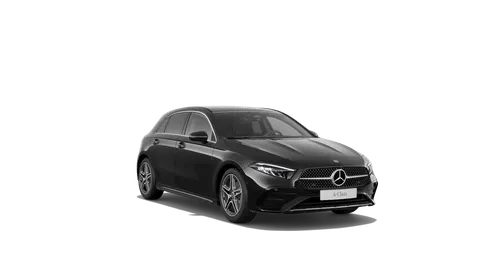
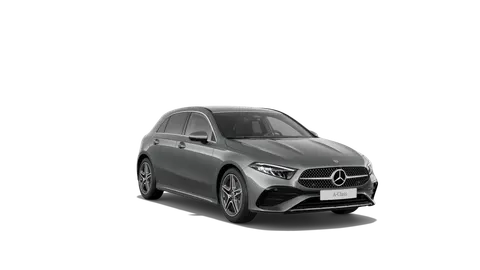
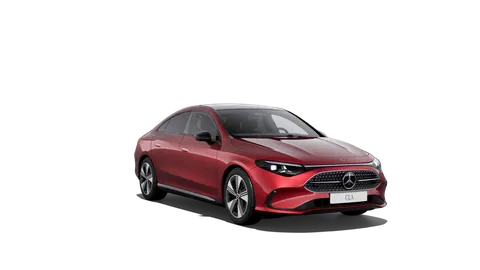
For dealers and buyers, the consequence is visible in the metal: the electronics once reserved for premium flagships — adaptive lighting, assistance systems, connectivity — increasingly reach the mainstream fleet. Sourcing such vehicles now runs through European online marketplaces as much as local forecourts, and on WorldTrader24 dealers and private buyers can compare tech-laden models across borders in one place.
That makes cross-border price and specification comparison one of the sharpest tools available to any buyer. Readers looking for a vehicle can find sensational cars at sensational conditions at WorldTrader24, Europe's marketplace with over 70,000 vehicles — from electronics-rich premium models to proven everyday cars.