E.ON and ev.energy this week published results from the V4Grid pilot in the Czech Republic showing that bidirectional charging (V2X) can operate in real conditions and already deliver building‑level and network flexibility.
What was tested and where
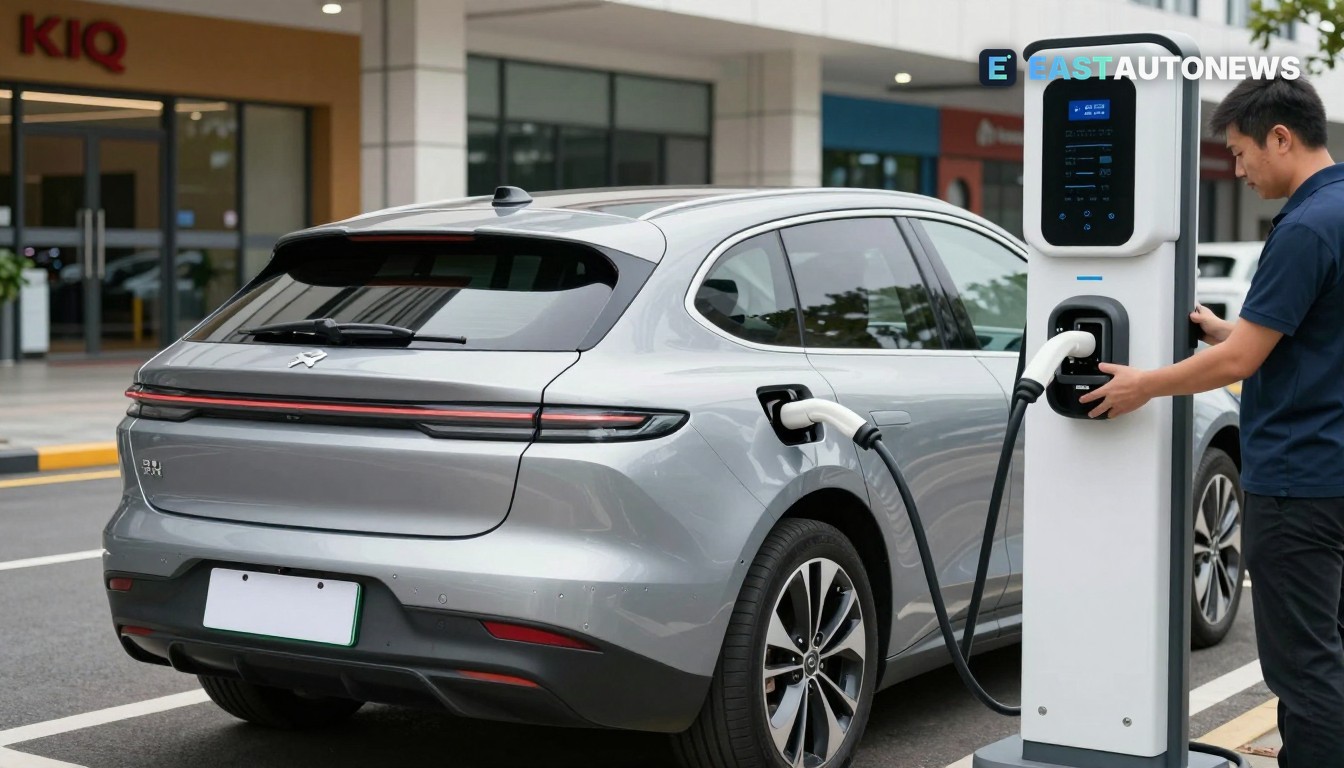
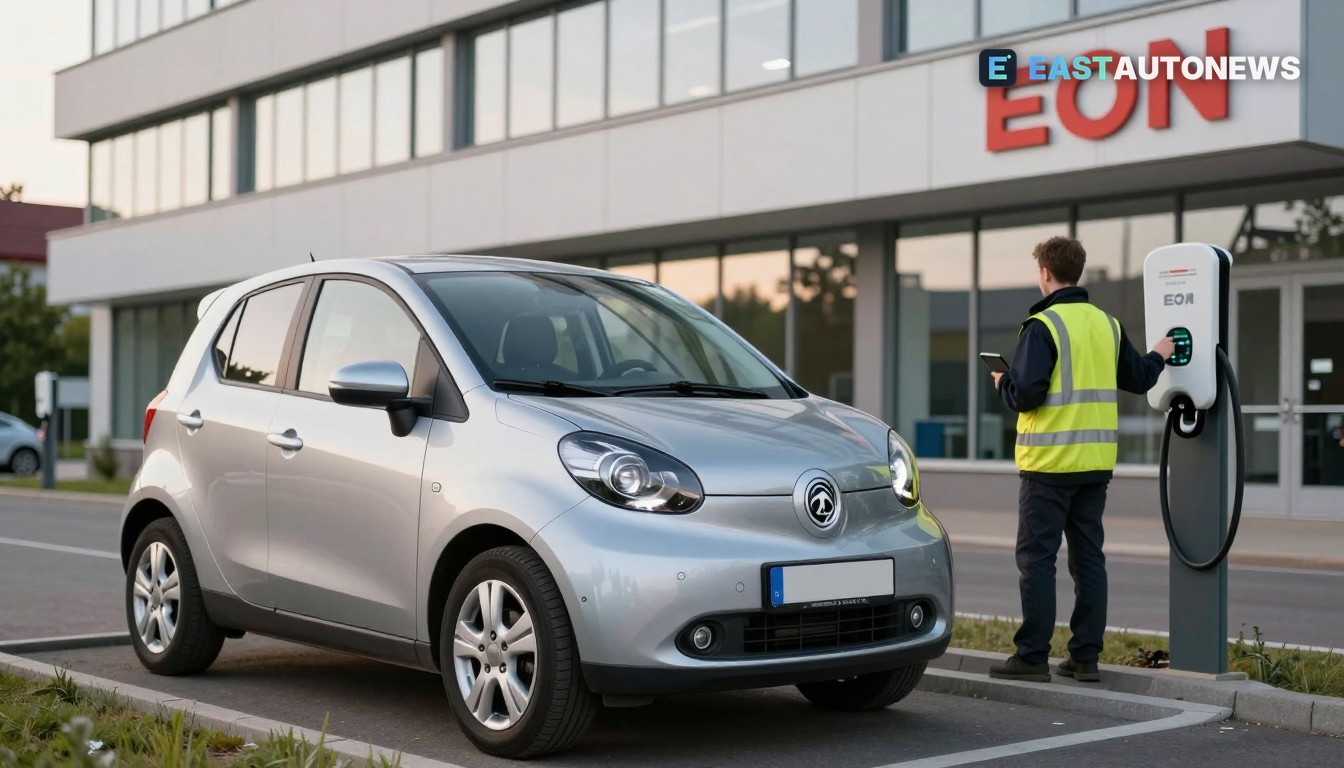
The trial used ev.energy’s Eve platform to schedule charging and discharging across Vehicle‑to‑Home (V2H), Vehicle‑to‑Building (V2B) and Vehicle‑to‑Grid (V2G) scenarios at E.ON’s campus in České Budějovice. An electric vehicle charged during off‑peak hours, discharged to help cover the campus’ peak demand, then recharged overnight — with Eve coordinating cloud‑based schedules and a local system handling moment‑to‑moment balancing. The ev.energy announcement was dated 19 November 2026.
V4Grid brought together eleven partners from Poland, the Czech Republic, Slovakia and Hungary and is an Interreg‑backed project that has been running since mid‑2024. Project documentation and trade coverage list a budget of roughly €2.37 million, with about 80% co‑funding from the European Regional Development Fund (ERDF). The project timetable is effectively at its end, with partners reporting pilots concluding around late 2026.
Voices from the trial
Jakub Kott, Head of E‑Mobility Solutions at E.ON, told partners that the pilots “confirmed that bidirectional charging technologies are already functional today,” while also warning that “the technology remains at an early stage of development, and its wider adoption will depend on vehicle availability, standardization, and the regulatory framework.” Nick Woolley, CEO of ev.energy, said: “The move from smart charging to bidirectional charging is the next phase for EVs, and across Europe it is moving from trials towards scale.” These quotes are taken from the ev.energy release of 19 November 2026.
What this means for the market
For Central and Eastern Europe the V4Grid pilots are important for two reasons. First, they show a complete control loop — utility signal, cloud scheduler, charger and vehicle — working in a live site rather than just a lab. Second, the project explicitly tested V2X use cases across Visegrád countries, producing policy and technical findings intended to inform regional authorities and DSOs about scale‑up barriers (standardisation, compatible vehicles and simplified grid connections). Neither E.ON nor ev.energy announced a commercial product or public tariff following the pilots; the work remains a funded demonstration rather than an operating service.
For fleets, depots and large employers in CEE, the pilots underline a near‑term option to use EV batteries as local flexibility assets — useful where distribution networks and generation mixes create price and congestion spikes. But wide deployment will depend on clearer rules for grid connections, interoperable communication (for example ISO 15118‑20 integration with DSOs) and vehicle manufacturers offering vetted bidirectional capability in mass models.
Electric vehicle listings on WorldTrader24 →
Sources: ev.energy, E.ON CZ, EV Infrastructure News, ChargerFeed