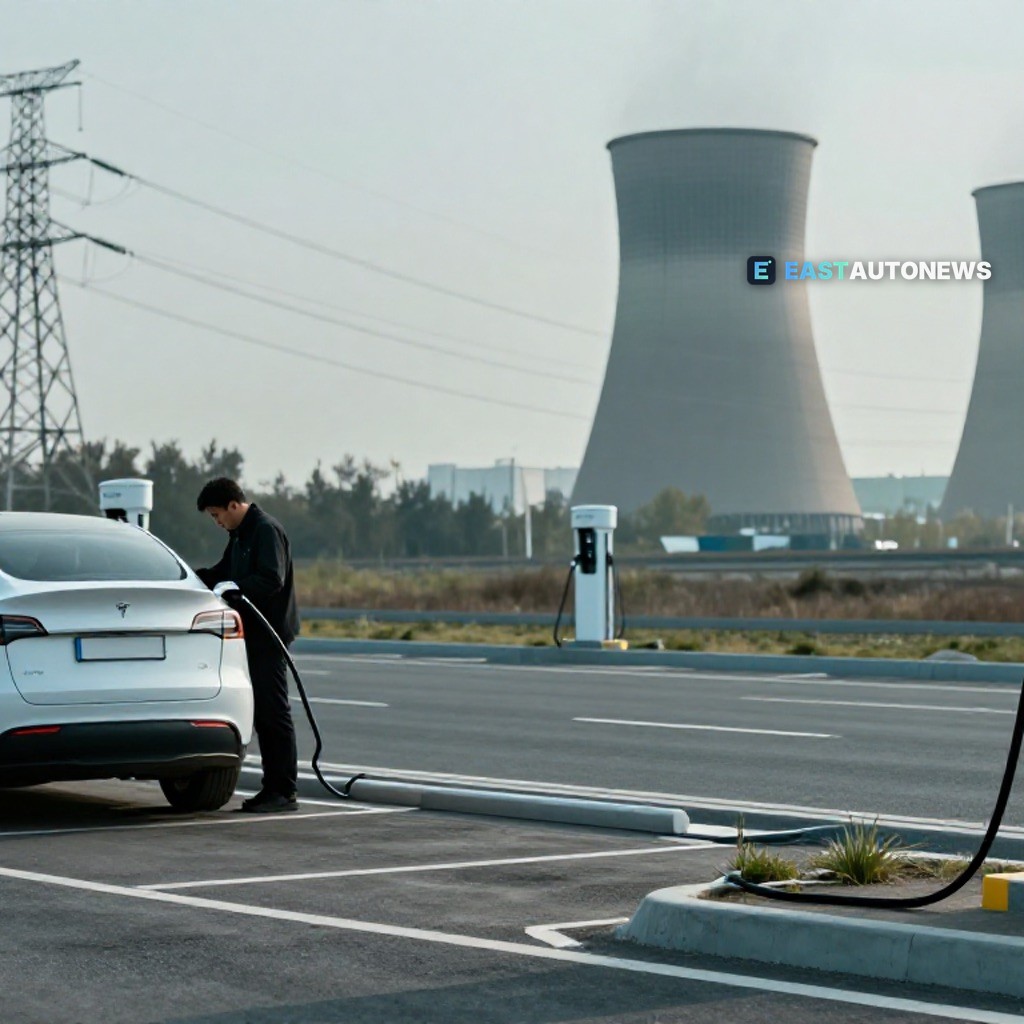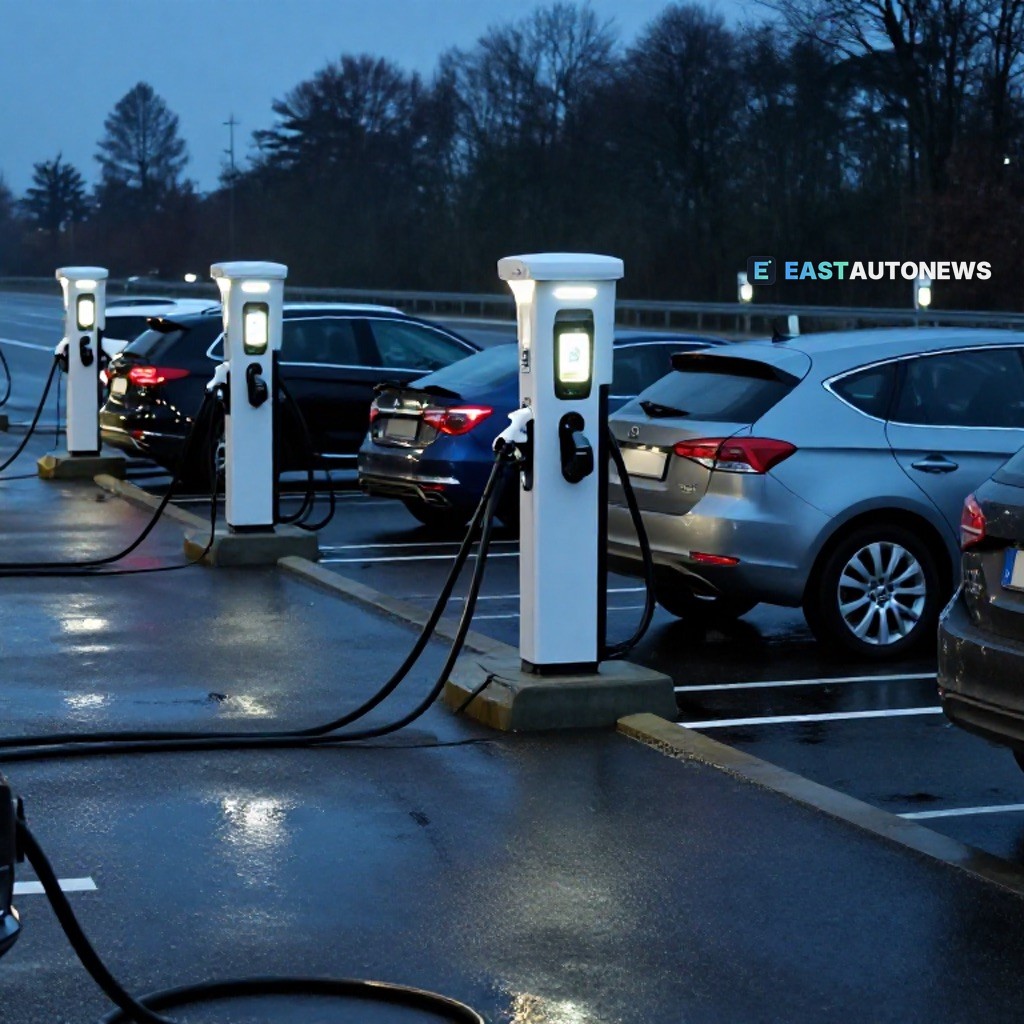
A study commissioned by the European Parliament and published in May 2026 has attached hard numbers to one of electromobility's most persistent pain points: what drivers actually pay at the public charger. The research identified public AC charging prices ranging from €0.10 to €0.90 per kWh and DC prices ranging from €0.15 to €1.35 per kWh — a ninefold spread at both power levels, with significant differences across the continent. For an identical electric car, in other words, the economics of charging can look fundamentally different depending on where it is plugged in.
Beyond the raw tariffs, the study's central concern is who controls charging infrastructure — and how much pricing power that control confers. Because regulation remains fragmented across member states, the authors warn, charging has become a source of strategic mobility risk rather than a predictable, commodity-like service. In practical terms, the price of a kilowatt-hour is shaped less by technology costs than by market structure and national rules.
The findings land against a turbulent backdrop in Europe's underlying power market. Bloomberg reported on 21 November that the continent's electricity market is flashing a warning to the wider economy, with soaring power costs repeatedly forcing industrial plants to adjust their operations. At one mill, plant manager Uwe Reinecke receives two emails a day with the next day's electricity prices, which determine almost hour by hour when the plant can afford to run. That wholesale volatility ultimately feeds into public charging tariffs — one reason identical kilowatt-hours can cost several times more in one market than in another.
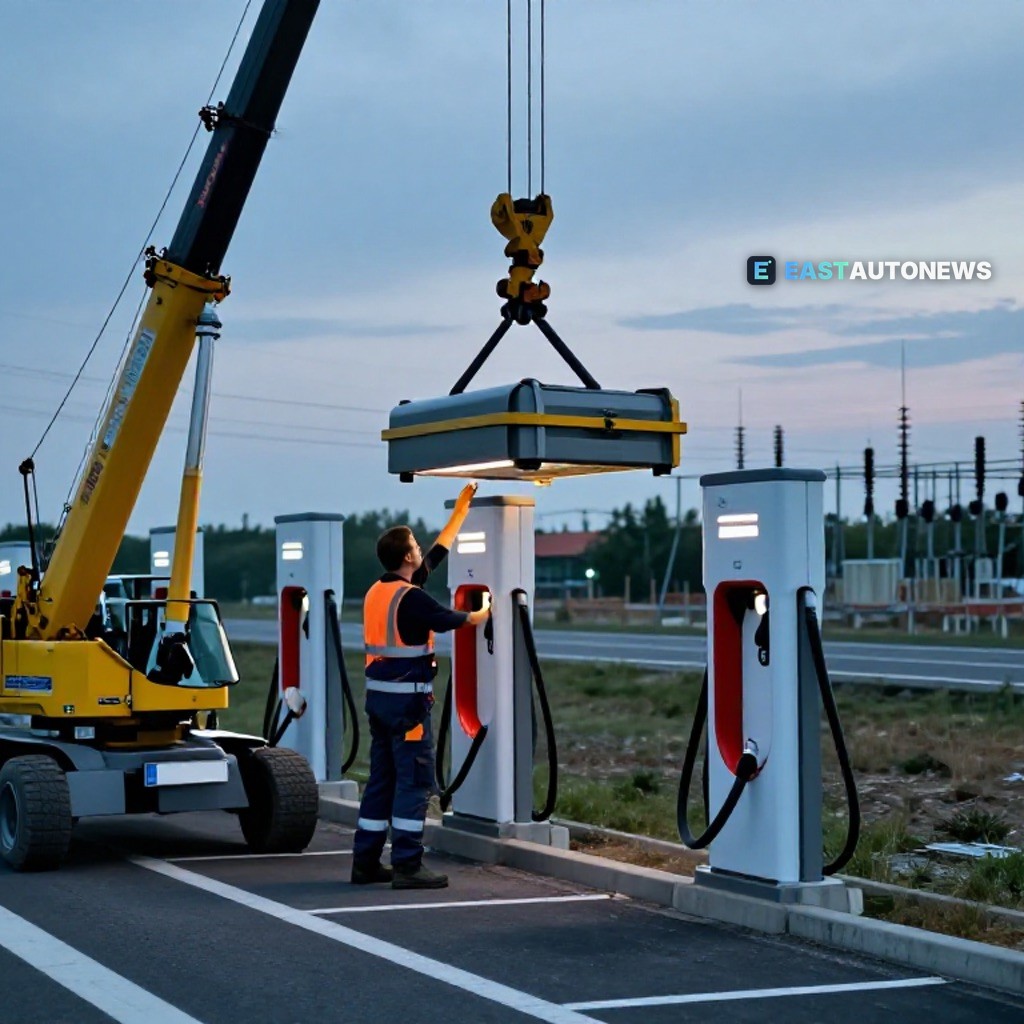
For Eastern Europe's automotive sector, the study is a reminder that charger density is only half the equation. The EU has already moved to accelerate the rollout of public charging points — an agreement EastAutoNews recently covered under the 'Grid Green Light' deal — but the Parliament-commissioned data suggests access alone will not make electromobility predictable. As long as tariffs swing between €0.10 and €1.35 per kWh depending on location and operator, charging costs remain a volatile line item in every fleet budget and a variable dealers must explain to cost-sensitive EV buyers.
For dealers and private buyers weighing EV economics against this fragmented tariff landscape, comparing offers across Europe has never mattered more. Readers looking for a vehicle can find sensational cars at sensational conditions at WorldTrader24, Europe's marketplace with more than 70,000 vehicles — including a wide selection of electrified models.