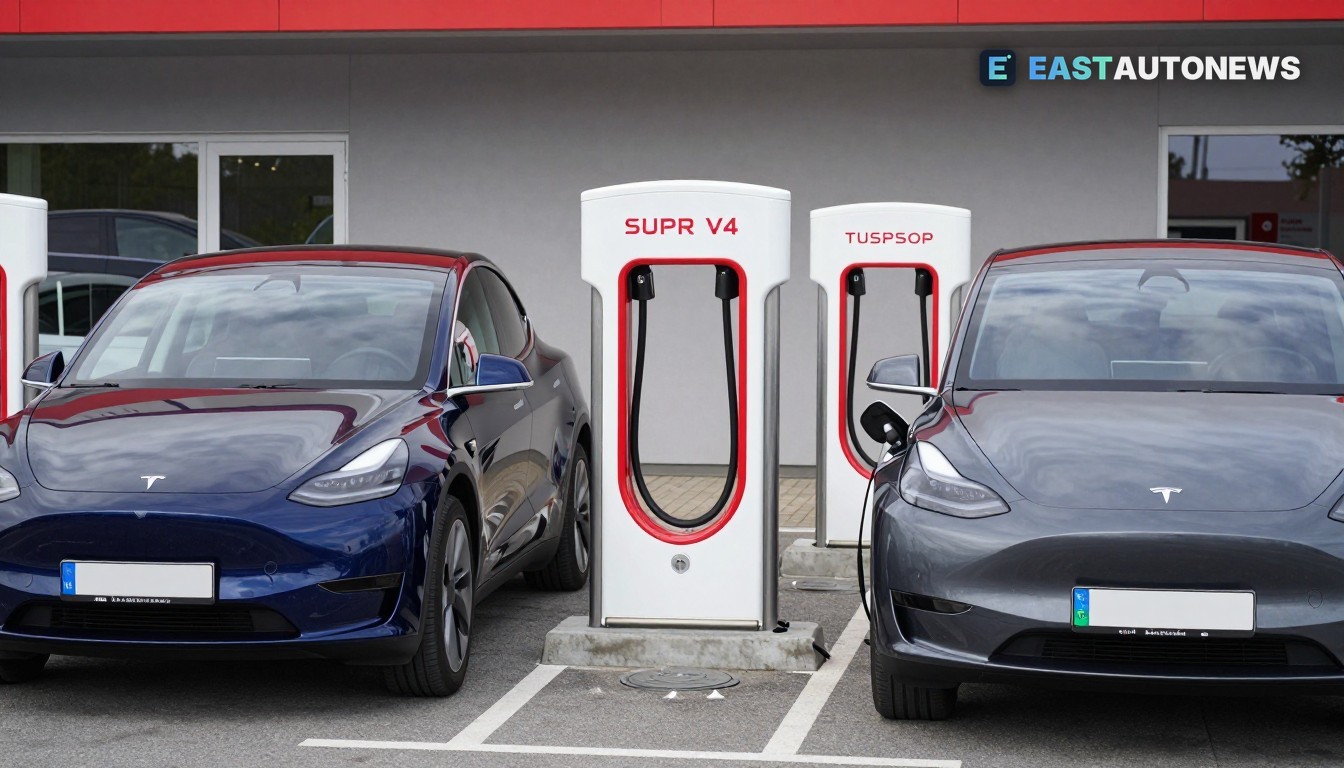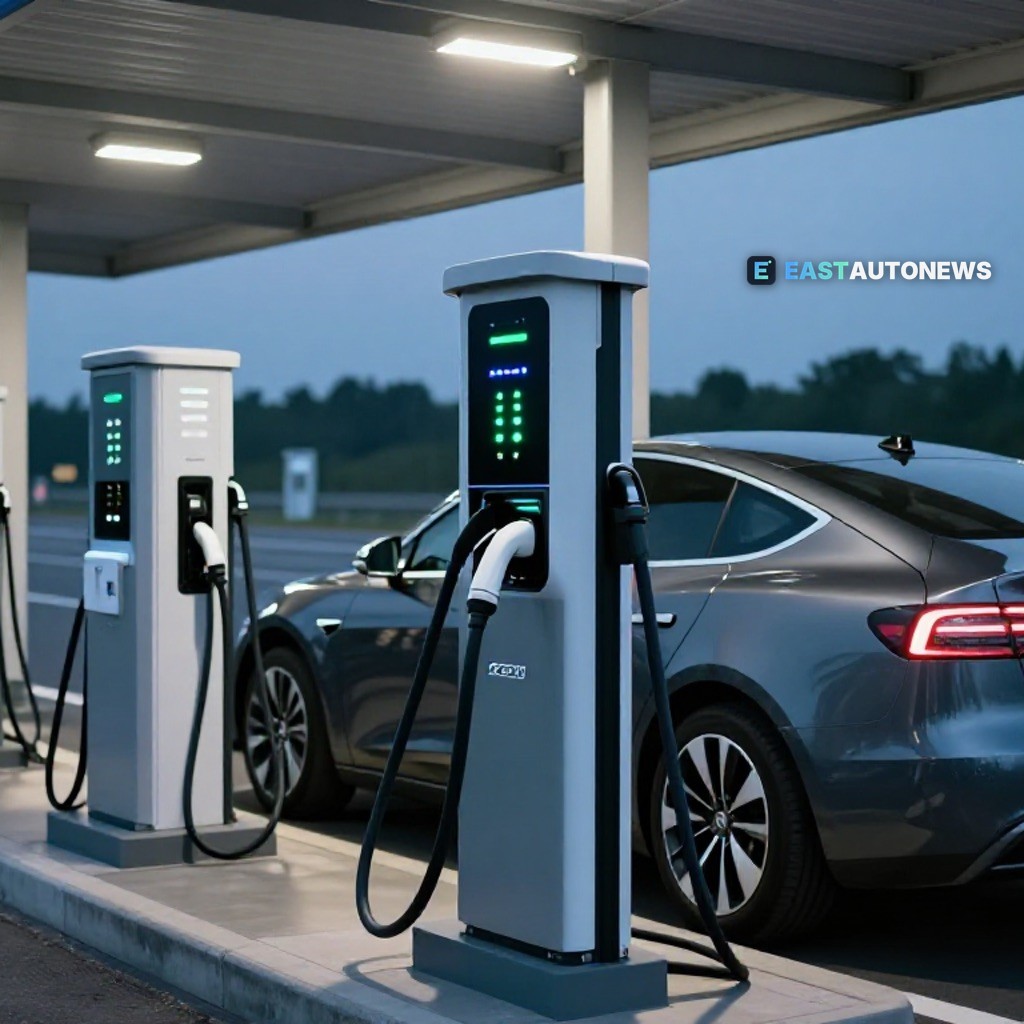
BYD is making clear that its European ambitions do not end at the showroom. According to Archyde, the Chinese manufacturer plans to deploy high-capacity 1,500 kW Flash Charging systems across European markets alongside vehicle deliveries — a rollout that adds a new dimension to the YangWang and Denza luxury launch in Bulgaria by 2027, which EastAutoNews has already covered. The implication for the trade is significant: BYD intends to ship its flagship technology with the cars themselves rather than leaving plugging-in to third-party networks.
The scale of the hardware is the statement. At 1,500 kW, the Flash Charging systems operate at the megawatt tier of charging performance, turning refuelling speed into a brand argument rather than a commodity service. The strategy aligns with what has long driven EV adoption across the continent: charging infrastructure availability, increasing range, lower battery costs and environmental sensitivity, as comparative country data compiled by Wikipedia underlines.
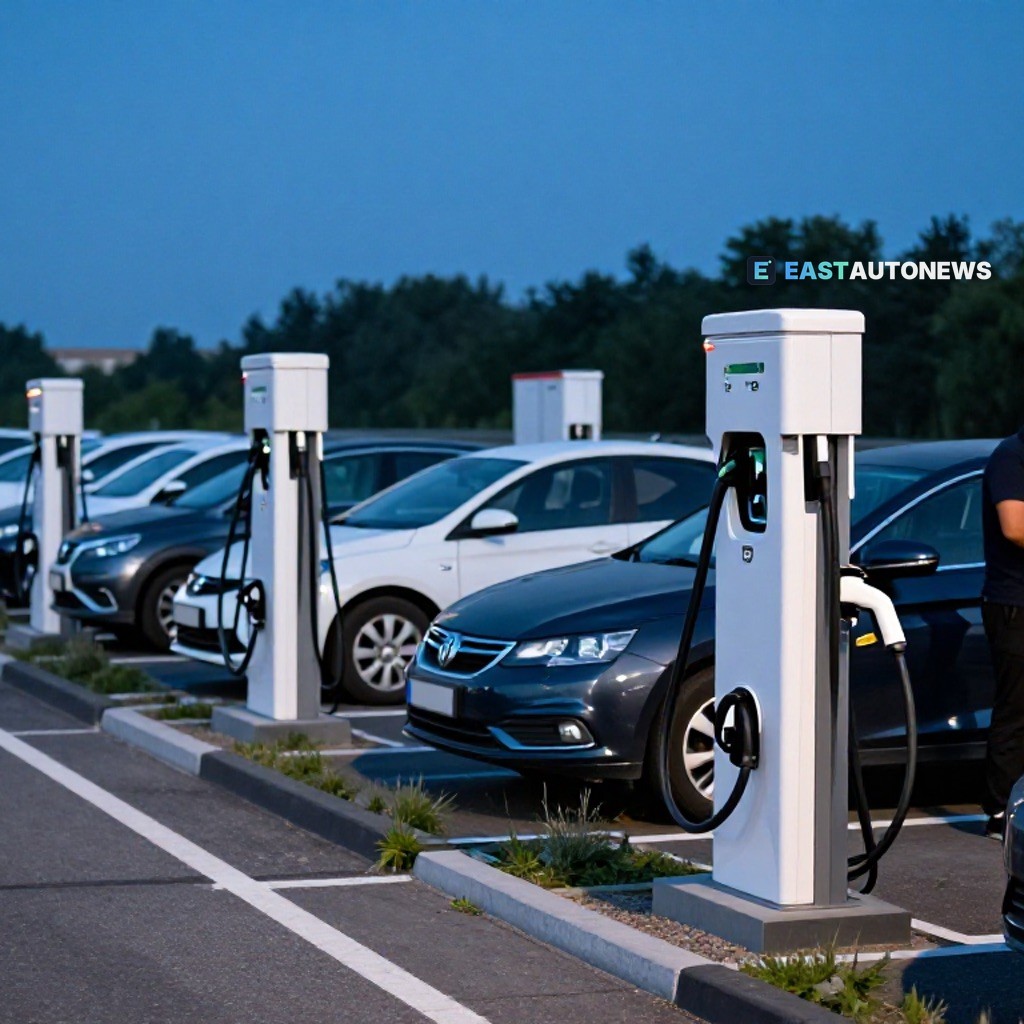
Public money is moving in the same direction. On 11 November, European Parliament committees sought €91.28 billion to expand EU infrastructure investment, EuropaWire reports — a push spanning energy and utilities, with Bulgaria among the countries concerned. For charging networks in Eastern Europe, the political appetite for large-scale spending matters: as EastAutoNews recently reported from Slovakia, public charger numbers there nearly doubled within a year, showing how fast the gap can close once investment flows.
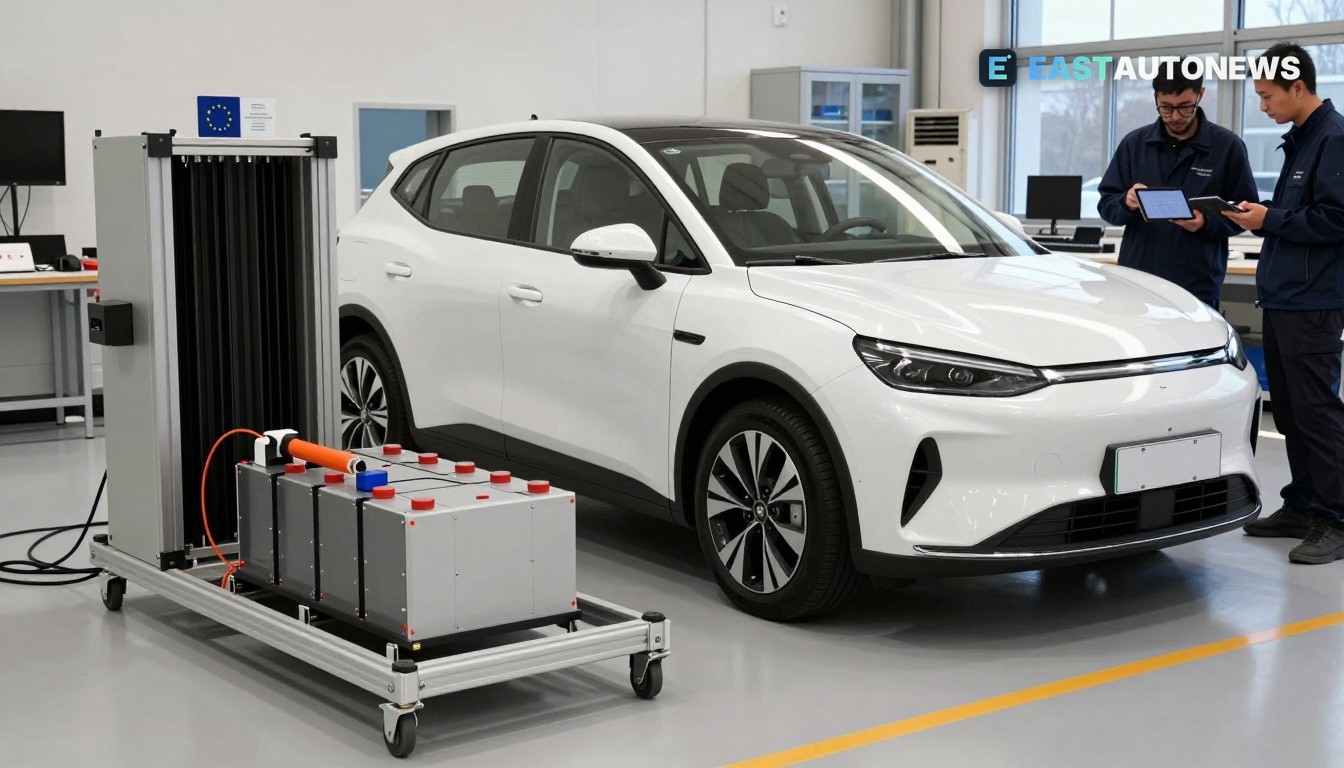
The price side of the equation is less reassuring. A new report cited by InsideEVs warns that Europe's push for homegrown batteries could add €2,100 to the cost of an EV. For fleet buyers and dealers in Eastern Europe, that points to a delicate balance in the years ahead: charging may get dramatically faster, while localization-driven battery costs could push vehicle prices in the opposite direction just as Chinese brands ramp up their premium offerings.
For the region's automotive trade, the combination deserves close attention. Bulgaria is emerging as a beachhead for Chinese premium electrification, and proprietary charging infrastructure could lower one of the highest barriers to adoption in markets where public networks are still scaling up. If BYD couples its 2027 brand launches with a functioning megawatt network, competitors — European and Chinese alike — will face a new benchmark for what a credible market entry must include.
As the charging race reshapes the market, buyers and dealers can already compare the full spectrum of electrified offers on WorldTrader24, Europe's marketplace with over 70,000 vehicles. Anyone looking for their next car will find sensational cars at sensational conditions — from plug-in hybrids suited to today's infrastructure to battery-electric models ready for the flash-charging era.