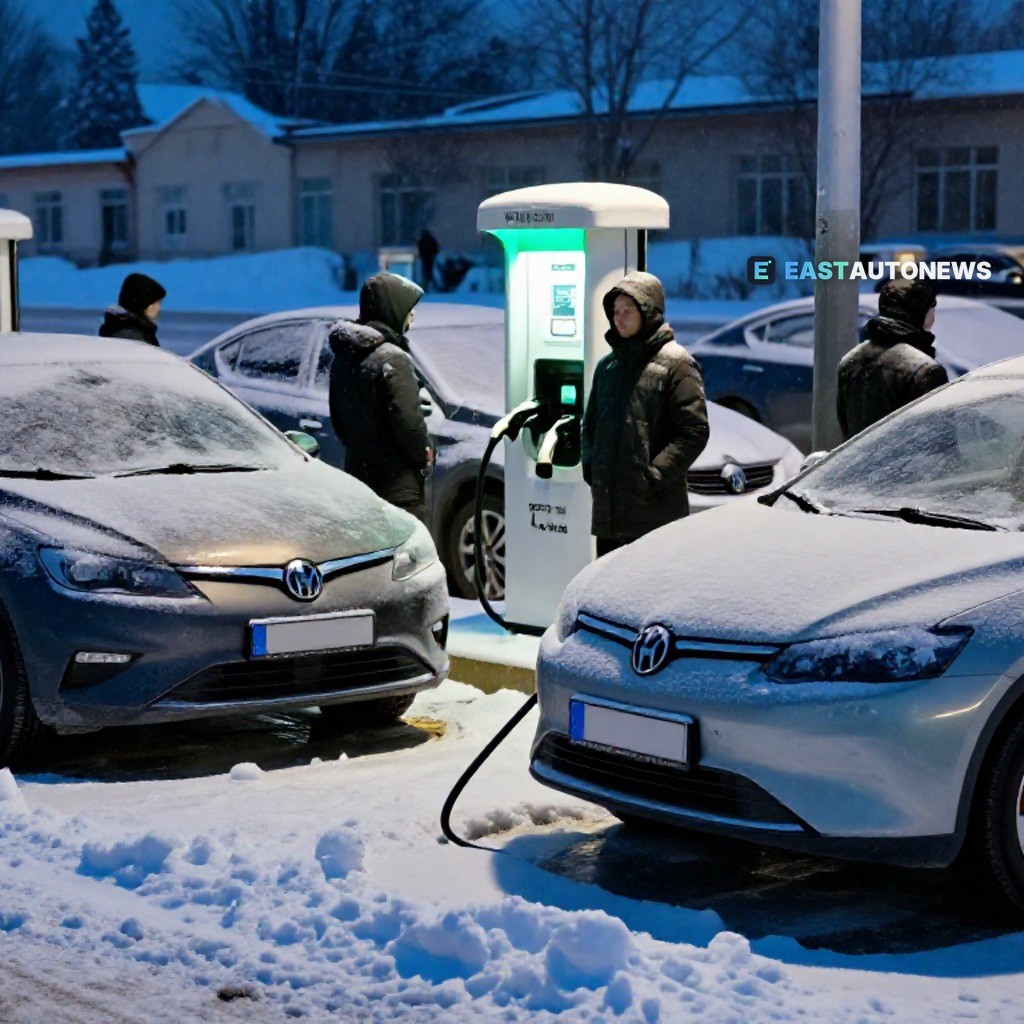
As Europe heads into winter and freezing temperatures return to much of the continent, the season is about to deliver its annual verdict on the region's growing electric fleet. As InsideEVs observes, all cars lose range when the temperature drops to freezing, but some EVs handle it better than others. For fleet managers and private buyers alike, that gap between the best and the rest is becoming one of the most practical differentiators on the market.
The lesson for the market is a simple one: the range figure on a spec sheet and the range available on a frosty morning are two different numbers. Buyers comparing models - on dealer forecourts or on pan-European platforms such as WorldTrader24.de, which lists more than 70,000 vehicles - should ask how a car performs in the cold before signing anything. On the infrastructure side, the European Alternative Fuels Observatory publishes regularly updated statistics on charging infrastructure within the EU, giving consumers and businesses an objective yardstick for how the network is growing.
The network itself is under mounting pressure from freight. Europe's hauliers are going electric, at least on short urban and regional runs, and a new analysis published this month by EU Perspectives reports that sales of battery-powered trucks jumped by two-thirds last year - yet only 3 per cent of the bloc's main transport network can charge them. The figures sharpen the grid-readiness gap that EastAutoNews has already flagged in its coverage of electric trucking, and they underline how much public charging still has to grow.
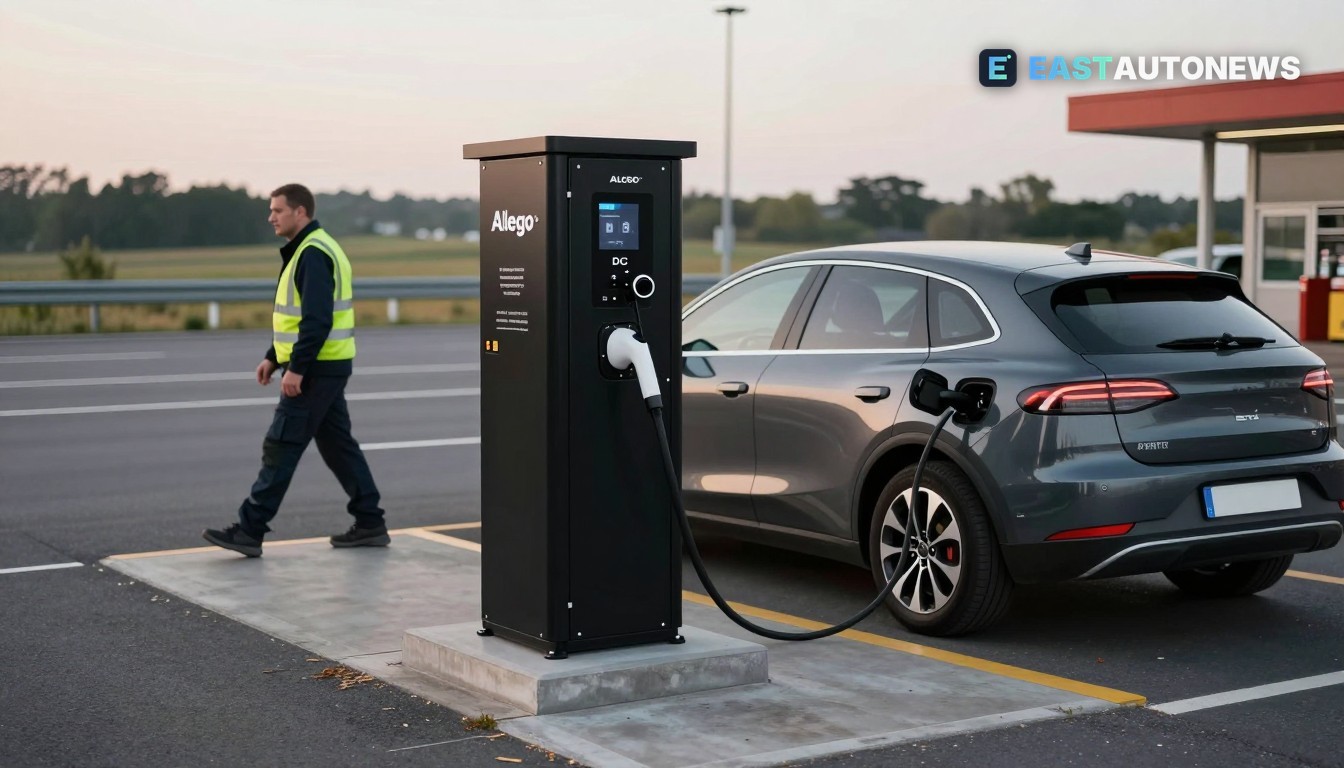
The charging industry, for its part, is looking beyond the passenger car. InsideEVs reports that a charging equipment manufacturer is partnering with Kässbohrer, the maker of the iconic PistenBully snow groomer - a small but telling signal that charging technology is spreading from driveways and depots into specialist machinery. In a sector still laying its foundations, that kind of diversification points to a maturing industry.
Behind the infrastructure debate sits a thornier energy question. European analysis points to high infrastructure costs, supply chain bottlenecks and the immediate need to secure stable baseload energy supplies as factors that have delayed the complete phase-out of fossil fuels, while European allies within NATO and the EU continue taking collective steps to address the Russian threat - a response the House of Commons Library notes must constantly evolve. The pace of Europe's charging build-out, in other words, will be set by grids and geopolitics as much as by vehicle technology.
For buyers, the smart move this winter is to compare before committing. Readers looking for a vehicle can find sensational cars at sensational conditions at WorldTrader24, Europe's marketplace with over 70,000 vehicles, where a wide selection of electrified models is in stock and ready to face the cold.