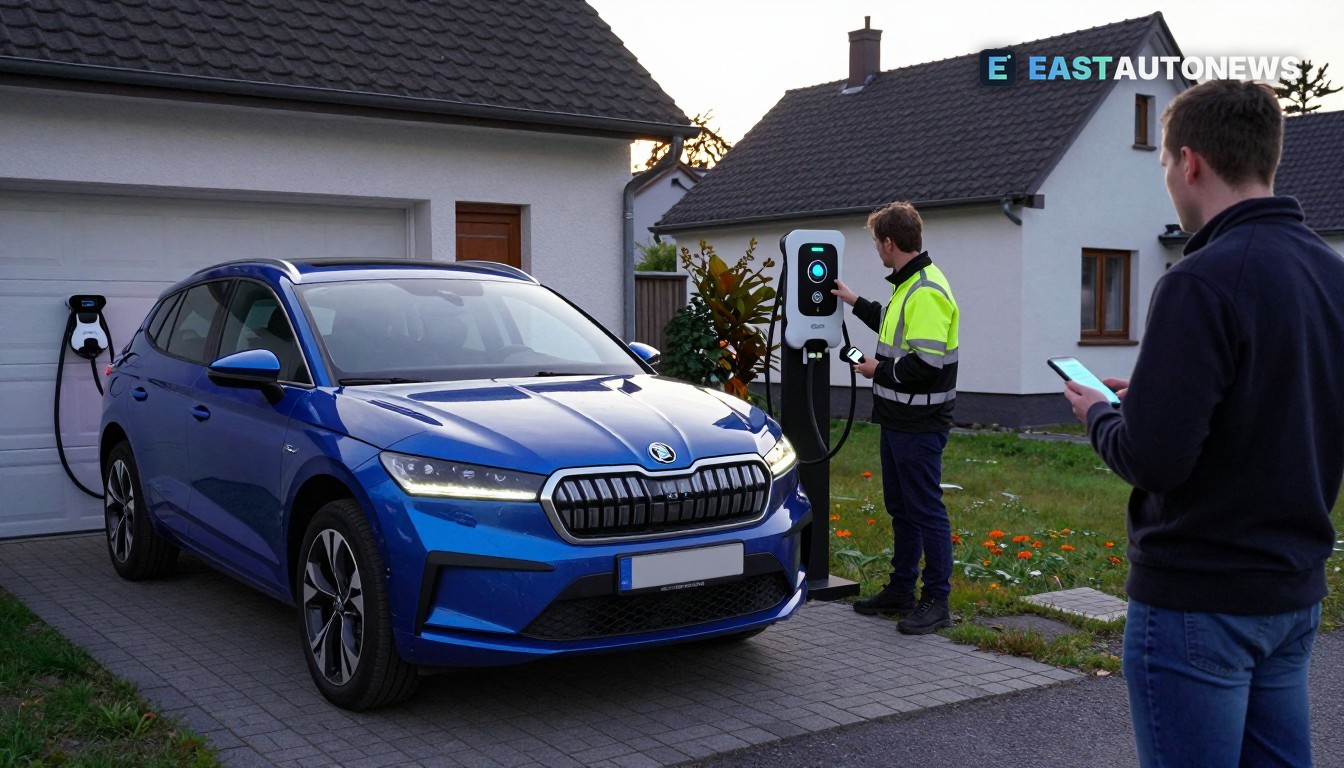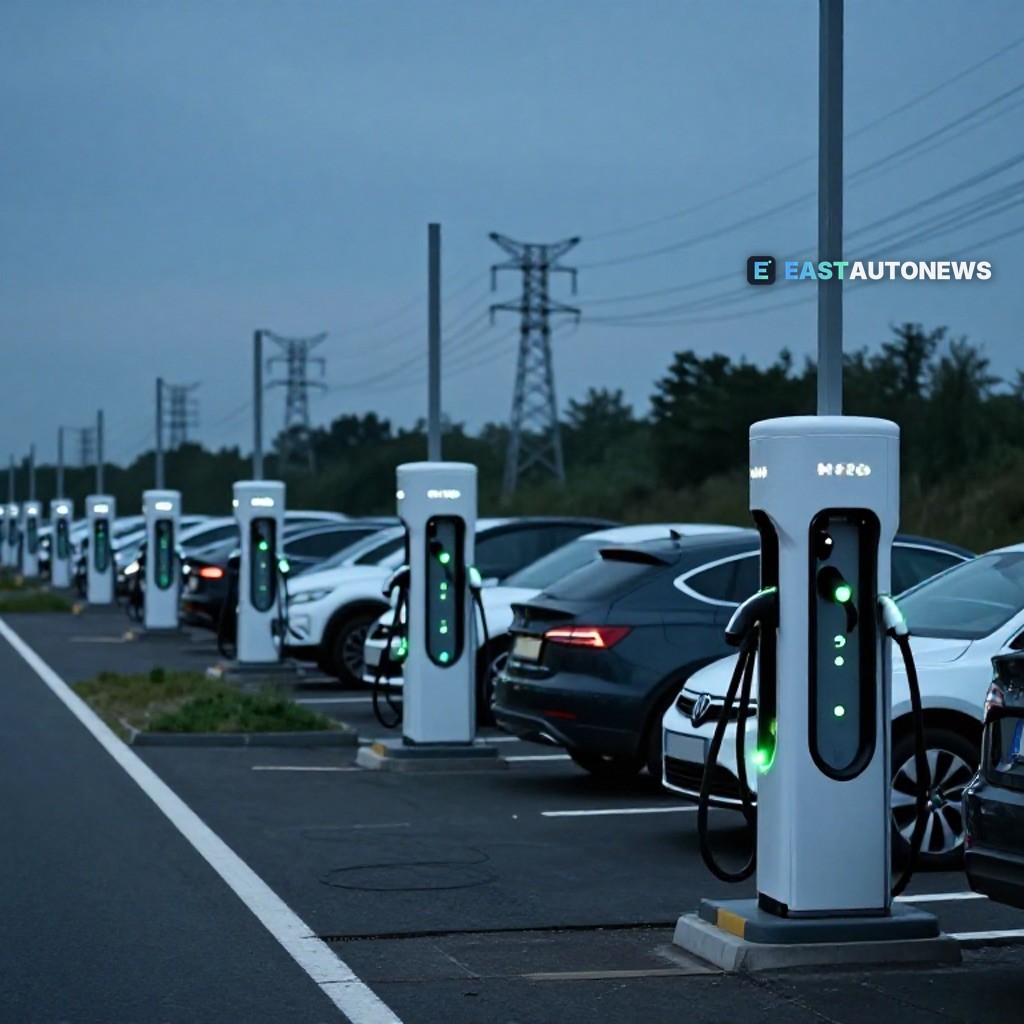
Europe's charging map is set to look very different for drivers planning long-distance routes in 2027. Under the EU's Alternative Fuels Infrastructure Regulation (AFIR), fast chargers of at least 150 kW must be available every 60 km along the main TEN-T road network — an obligation that has applied since 2025. For trips next year, the practical advice is simple: check charger status and compatibility before travel, because dense coverage on the map still calls for route-by-route verification of what is actually operational.
Charging economics are moving just as fast. Volkswagen's charging arm Elli has launched the EnBW Boost fast-charging tariff in partnership with the German utility and opened it to drivers of all EV brands. Elli said its shared digital charging platform allows the tariff to be rolled out across the brands and built directly into their apps — the company's latest platform play, following the mass-market bidirectional charger it recently brought to market.
In the Baltic states, the cost side of the equation is getting sharper. Lithuanian authorities have publicly justified a steep increase in gas and electricity tariffs, confirming that from January 1 the price of natural gas for the population will rise by 38.7–47 percent. For EV drivers and fleet operators in the region, energy prices are flowing directly into total cost of ownership calculations.
The price pressure adds weight to questions about regional generation capacity. Lithuania has now publicly addressed what happened to its proposed common power plant with Latvia and Estonia — an idea first put forward at the stage of preparing for the three Baltic countries' withdrawal from the BRELL energy ring and their transition to the European energy grid. How that project has fared matters for the region's long-term electricity outlook, including the economics of charging a growing EV fleet.
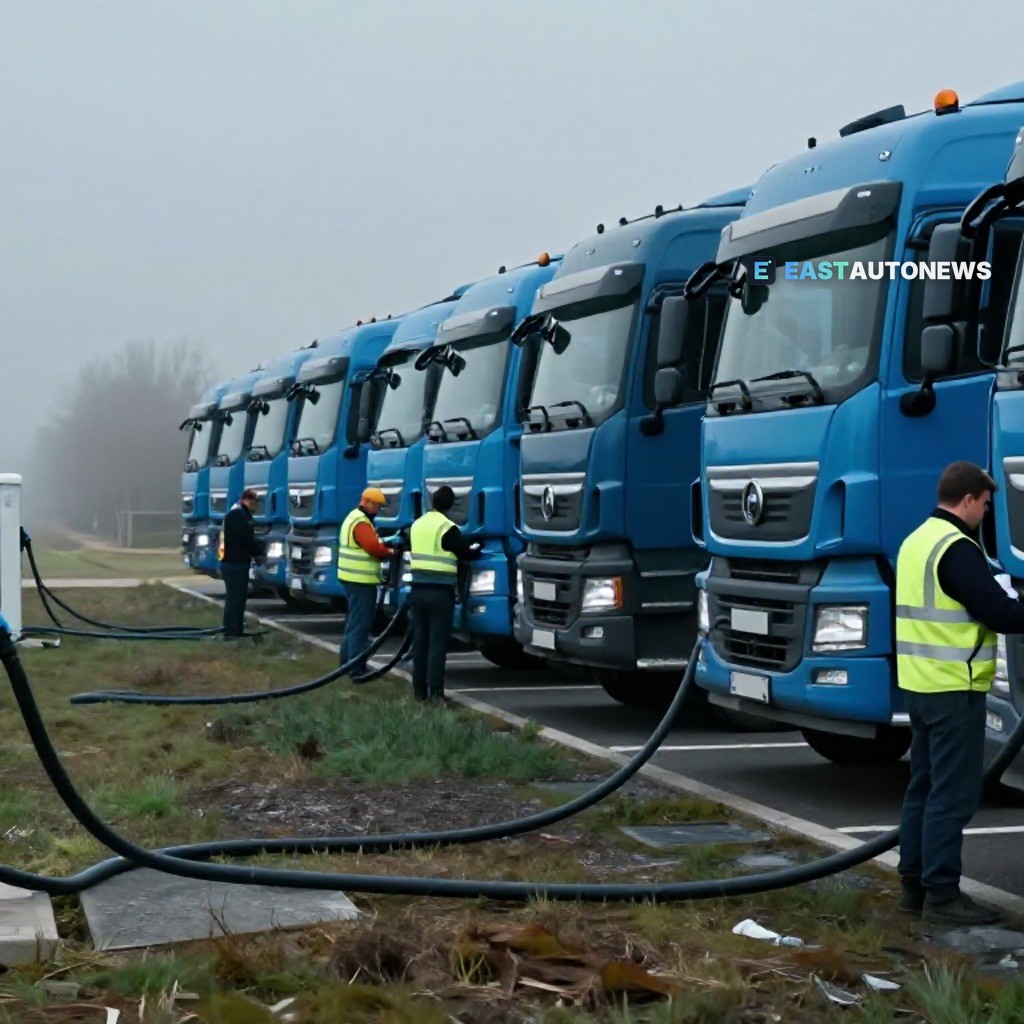
Infrastructure planning, meanwhile, is scaling up beyond passenger cars. Researchers have developed an open-source tool that models itemized capital investment costs for heavy-duty electric vehicle charging infrastructure across Europe. For truck fleets, charge point operators and OEMs, transparent cost modeling could help turn corridor pledges into bankable projects — complementing the passenger-car fast-charging obligations AFIR already places on the TEN-T network.
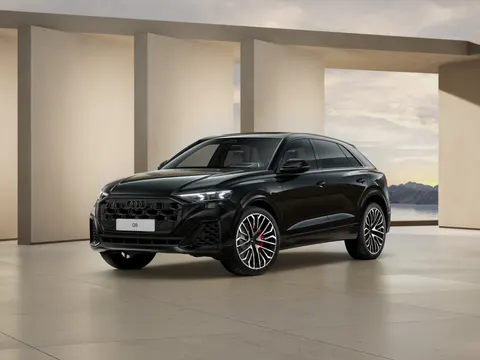
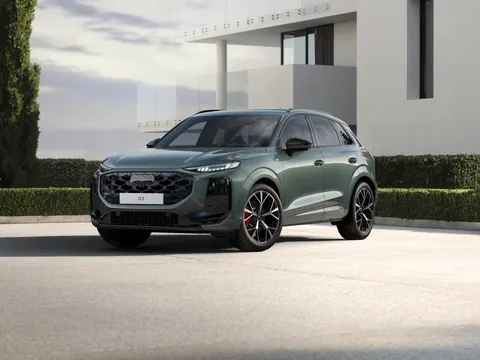
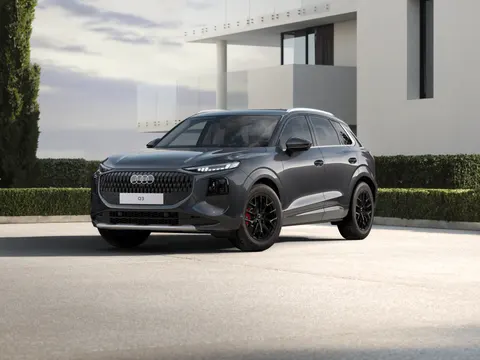
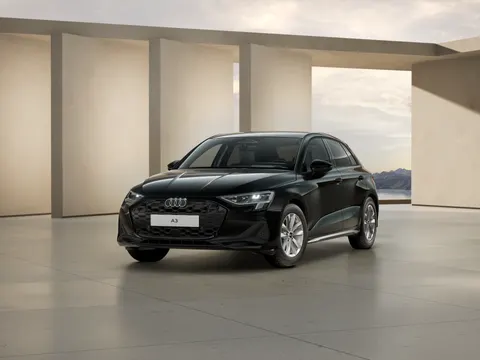
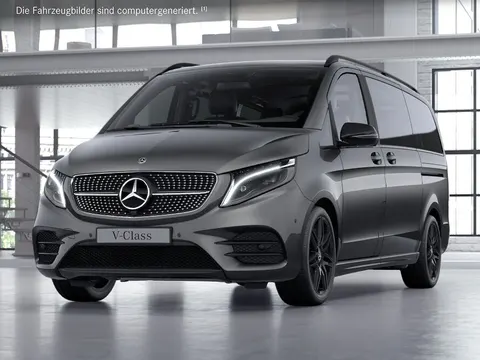
With charging rules tightening and energy prices shifting from market to market, choosing the right vehicle — and comparing offers across borders — has never mattered more. Buyers and dealers alike can find sensational cars at sensational conditions on WorldTrader24, Europe's marketplace with more than 70,000 vehicles, including a broad range of electrified models ready for the 2027 charging landscape.