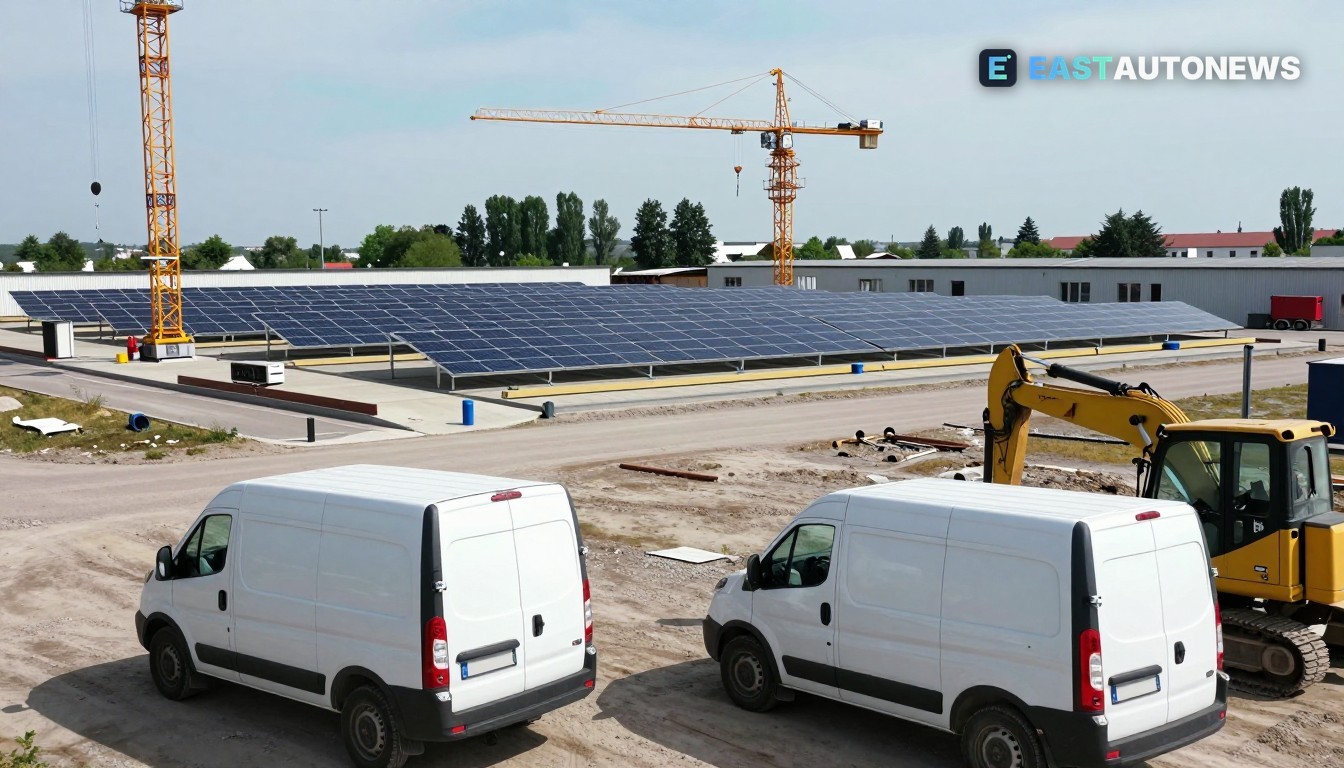
Romanian grid and retail group Electrica signed a superficies agreement on 23 November 2026 granting it development rights over about 240 hectares inside the Liberty Galați steelworks for renewable generation and energy storage projects. The deal — the first implementation step of a memorandum agreed in February 2026 — gives Electrica 25‑year rights to use the former SIDEX site and is aimed at supplying industrial consumption on the Galați site.
Project details
The parties are considering a photovoltaic installation of roughly 250 MW and energy‑storage capacity of up to 250 MW at the site, with the broader memorandum and previous disclosures flagging total potential capacity of up to 500 MW once configurations are finalised. Final parameters, grid connection timing and financing will follow required studies and permits.
Electrica’s announcement also underlines the company’s 2030 targets: development of about 1 GW of proprietary generation and at least 900 MWh of storage capacity as part of its longer‑term strategy. The press material notes that “the contract provides Electrica with the title required to authorize construction and request grid connection.”
Industrial context
Liberty Galați, Romania’s largest steelworks, has struggled with high energy and gas costs and is currently under preventive concordat (restructuring) proceedings; Electrica and Liberty say the project could reduce the plant’s exposure to volatile energy markets by providing on‑site renewable supply and storage for industrial use. The agreement is described by local press and market bulletins as the first concrete step in a wider co‑operation outlined earlier in 2026.
What this means for the market
Large, site‑linked PV plus battery projects alter the economics for heavy industry and local supply chains. For car makers and tier‑one suppliers operating in Romania and neighbouring CEE states, closer co‑located renewable generation and storage can lower peak electricity costs and reduce exposure to market price spikes that have hit manufacturing in 2022–26. The Galați project, if built to the upper end of the proposed capacity, would also add significant flexible capacity to Romania’s grid — easing constraints for additional electrified industrial load such as gigafactories, EV battery pack lines or heat‑pump‑driven processes.
Operationally, the project underlines a trend seen across CEE this year: energy companies and industrial sites partnering to lock in lower‑carbon power and on‑site storage rather than relying solely on merchant markets. That helps manufacturers plan long‑term investments in electrification — from factory electrification to vehicle charging infrastructure — with more predictable power costs and grid access.
The agreement still depends on technical studies, permit approvals, grid‑connection solutions and financing arrangements; project parameters and commissioning dates will only be firmed when those items are resolved. Stakeholders and suppliers watching the region should expect more detail in the coming quarters as Electrica advances permitting and seeks investment partners.
WorldTrader24 electric vehicles listings →
Sources: Electrica, Informat.ro