Croatia’s Verne — the Rimac‑linked robotaxi operator that launched what partners called Europe’s first commercial robotaxi service in Zagreb earlier this year — is preparing to open an operational base in Berlin, the company told electrive on 11 November 2026.
What has changed
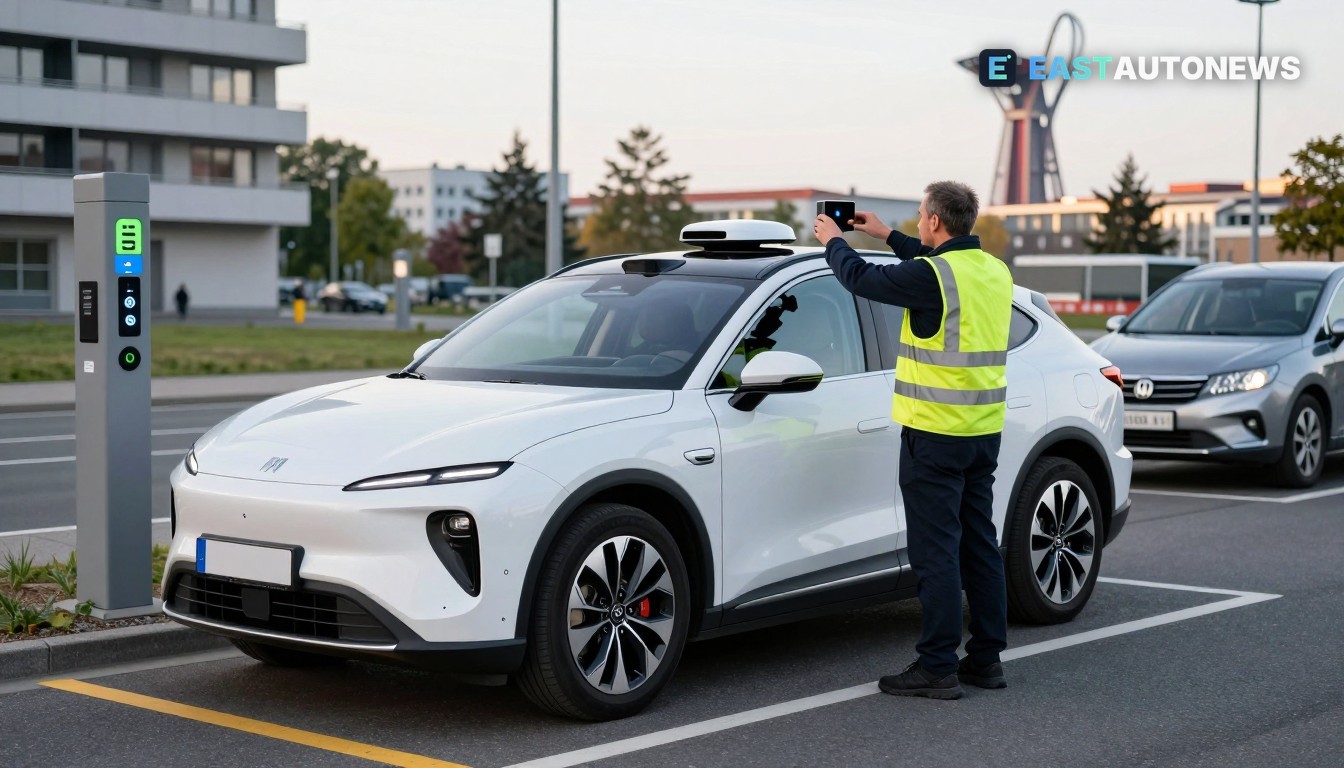
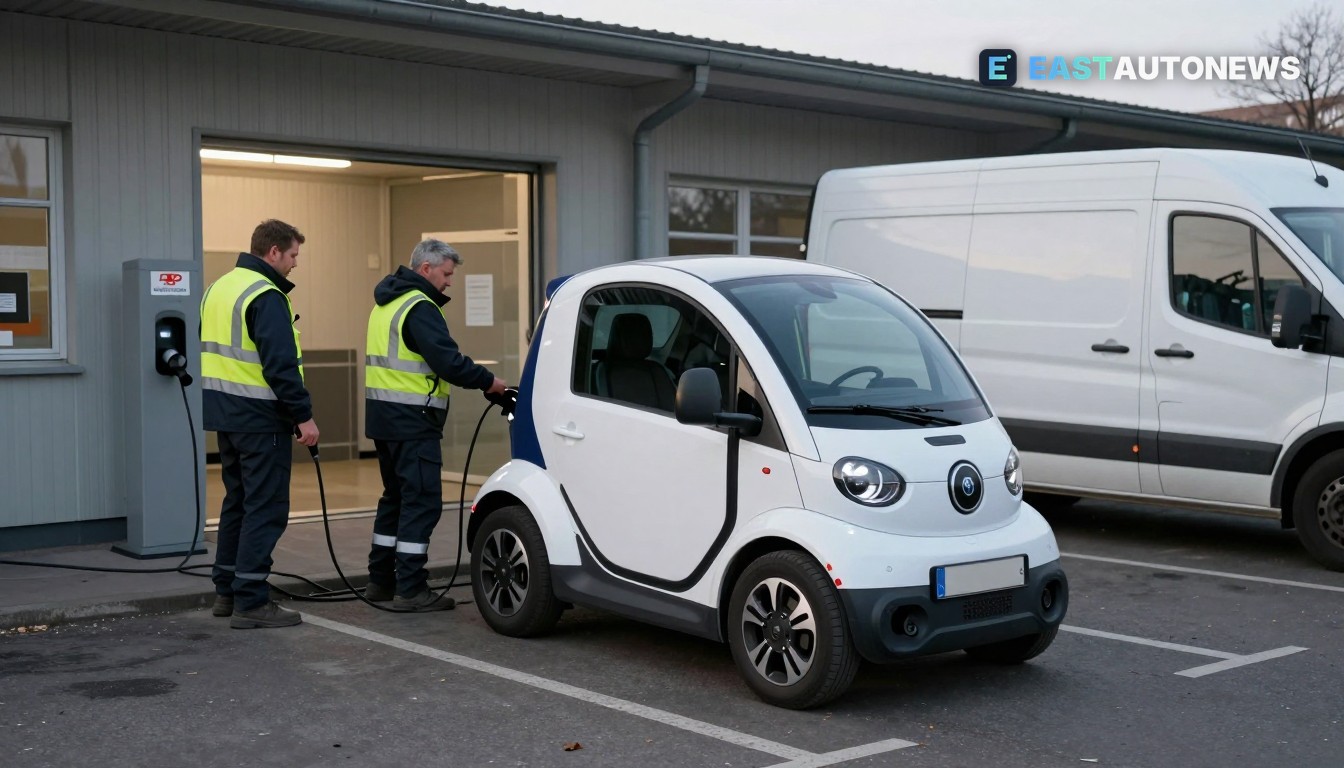
Electrive reports that Verne has posted at least two Berlin job listings, for a Fleet Operations Manager and an AV Operator, signalling the structural steps needed to run a depot, manage charging and workshop activity, and operate prototype vehicles during testing and early operations. The company confirmed the postings are part of preparations for Germany but did not give a firm launch date.
Verne’s move follows its April 2026 start in Zagreb, where the service deployed electric vehicles running Pony.ai’s autonomous stack and began public bookings via the Verne app; partners including Pony.ai and Uber have been named in earlier announcements around the European roll‑out. That early launch in Zagreb established operational know‑how and regulatory precedent that Verne says it will use as it expands to other European markets.
What this means for the market
For carmakers, suppliers and service providers across Central and Eastern Europe the practical consequence is twofold. First, operators moving from pilots to local operations create demand for depot infrastructure, high‑power charging, vehicle maintenance and parts adapted to high‑utilisation fleets — opportunities for CEE suppliers and logistics providers. Second, Verne’s commercialisation pathway (Zagreb launch plus Berlin hiring) sharpens the case for OEMs and Tier‑1s to make earlier technology and service partnerships with AV stack providers, telematics and fleet management players.
Regulatory and permitting work will remain critical: electrive notes Verne has not set a launch date for Germany, and local approvals and vehicle‑type permits will determine how quickly paid driverless services can scale in major EU cities. That timing is material for suppliers planning investments in retrofit depots or scaled maintenance networks.
Verne’s Berlin steps also underline a wider strategic pattern: CEE‑based mobility firms can use local regulatory wins and production know‑how (Verne is part of the Rimac ecosystem) to expand into larger Western European markets, carrying with them supplier demand and new service models. For Central and Eastern Europe, that dynamic can bring new orders for EV components, charging equipment and depot conversion work if Verne and similar operators scale.
Electric vehicles listings on WorldTrader24 →
Sources: electrive, AutoPresse