Uber and Chinese autonomous-driving company Momenta began a supervised robotaxi pilot in Munich on 18 November 2026, offering free, pre‑selected rides to users who join a waiting list in the Uber app. The initial operating zone covers large parts of northern Munich, including the area around the Olympic Park, and pick‑ups and drop‑offs are limited to designated stops during the roll‑out. A trained safety operator will ride in every vehicle and intervene only in an emergency, the companies and German media reported.
Munich’s pilot was announced on 18 November and comes after regulators issued Momenta test permits for highly automated (Level‑4) driving in Germany. The programme marks the first time Uber users in Germany can be matched through the Uber app with a vehicle operating under Level‑4 test approvals, even though the rides are non‑commercial and supervised for now. The trial follows public announcements earlier in 2026 that positioned Munich as a major European testbed for robotaxi services.
Vehicles, suppliers and tech on show
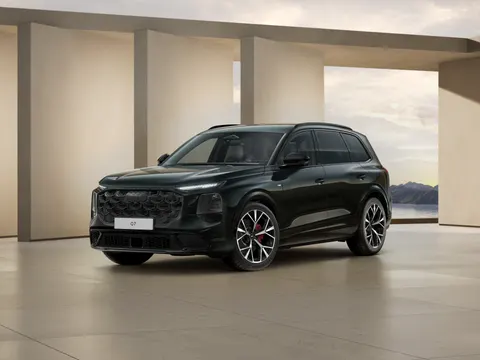
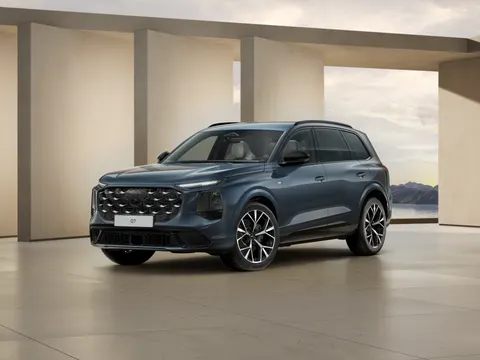
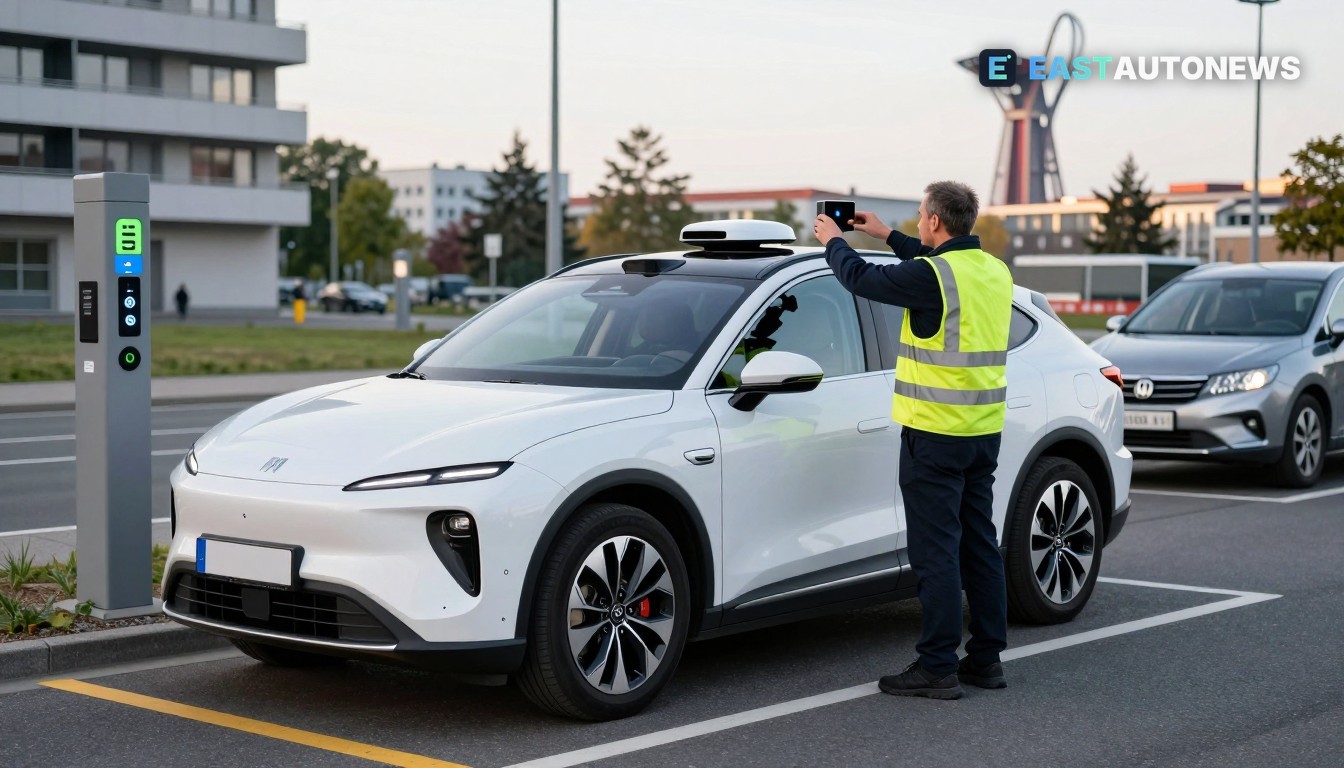
The vehicles used in the pilot are reported to be second‑generation IM Motors LS6 crossovers — a SAIC‑linked model — fitted with Momenta’s L4‑ready software and sensor stack for the supervised rides. Car and sensor details reported by industry outlets show the IM LS6 used for the pilot carries a roof sensor suite compatible with high‑assurance autonomy kits and Momenta’s driving stack; SAIC has close commercial ties to Momenta and is an investor in the start‑up. Rides are accessed via UberX, Electric or Comfort bookings in the defined zone and the companies said access and the area will expand in phases.
Handelsblatt and other German outlets noted the pilot area runs close to the BMW headquarters and research sites in Munich, highlighting that the test drives will operate in the same urban environment as major German OEMs and their supplier networks. Industry commentary published with the launch also cited consultancy forecasts that assign multi‑hundred‑billion euro potential to the robotaxi market and predict substantial cost reductions for autonomous mobility by 2035.
What this means for the market
For automakers, suppliers and software vendors in Central and Eastern Europe, the Munich pilot is notable for three reasons. First, it signals accelerating commercial tests of Chinese autonomy stacks inside Europe’s strict regulatory framework, increasing the number of viable software suppliers at scale. Second, the choice of a mass‑market SAIC/IM vehicle fitted with a Momenta stack underlines growing vertical links between Chinese OEMs, autonomy software firms and European mobility platforms — a potential source of both competition and new sourcing opportunities for component suppliers. Third, the roll‑out in Munich — a hub for German OEM engineering and CEE supplier networks — will generate more mapping, validation and operations work close to European production clusters.
All of those effects are already visible in press coverage: the partners emphasised phased expansion and safety first; industry analysis cited in coverage points to a large long‑term market but stresses pilots will remain supervised and geographically constrained while regulators and operators gain experience.
The Munich pilot is a clear data point that robotaxi deployments are moving from isolated field tests to user‑facing services in European cities — with implications for fleet sourcing, local maintenance capacity, mapping and data partnerships, and the supply chain that serves both OEMs and mobility operators. For CEE suppliers that make sensors, wiring, thermal systems, or perform fleet maintenance for European factories, the test suggests new commercial pathways as autonomy stacks and non‑European OEMs deepen their presence in Europe.
Robotaxi and autonomous EV listings on WorldTrader24 →
Sources: Handelsblatt, CarNewsChina, DroneNews (reporting on Der Tagesspiegel)