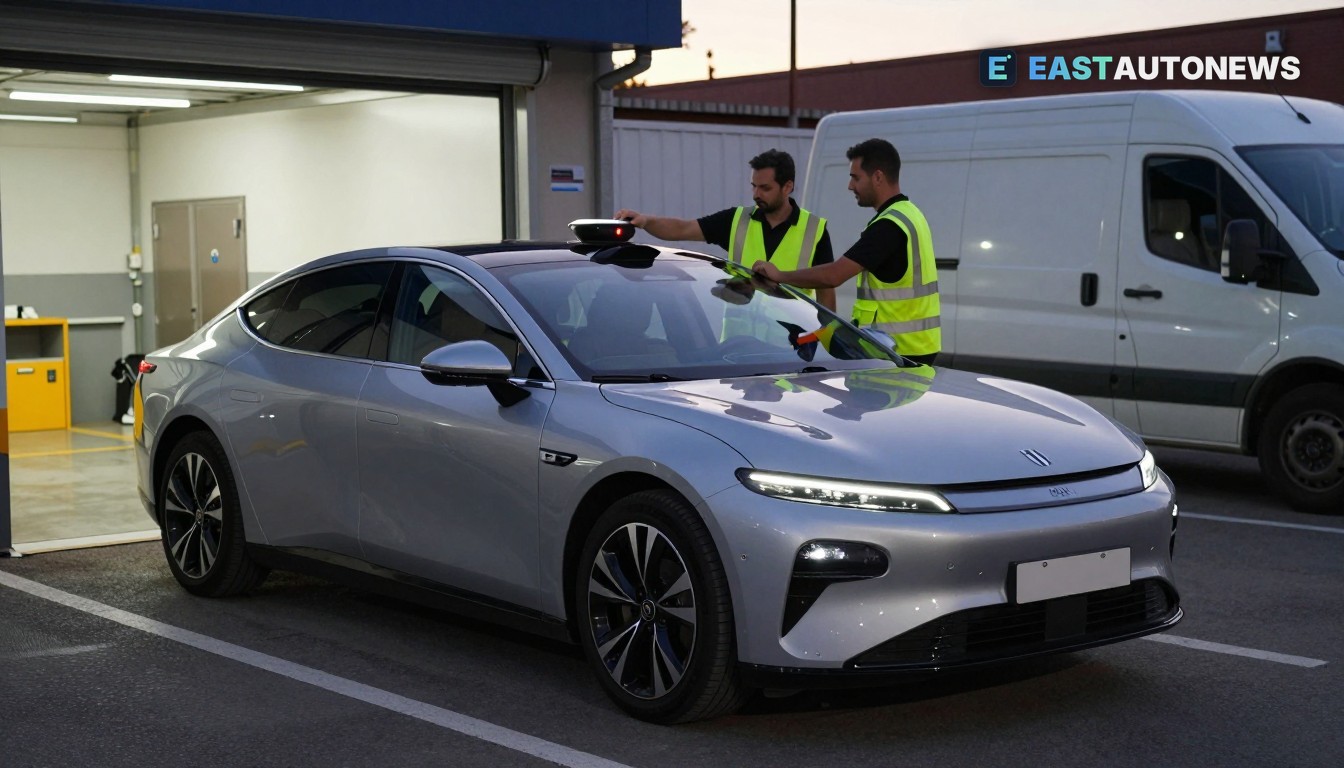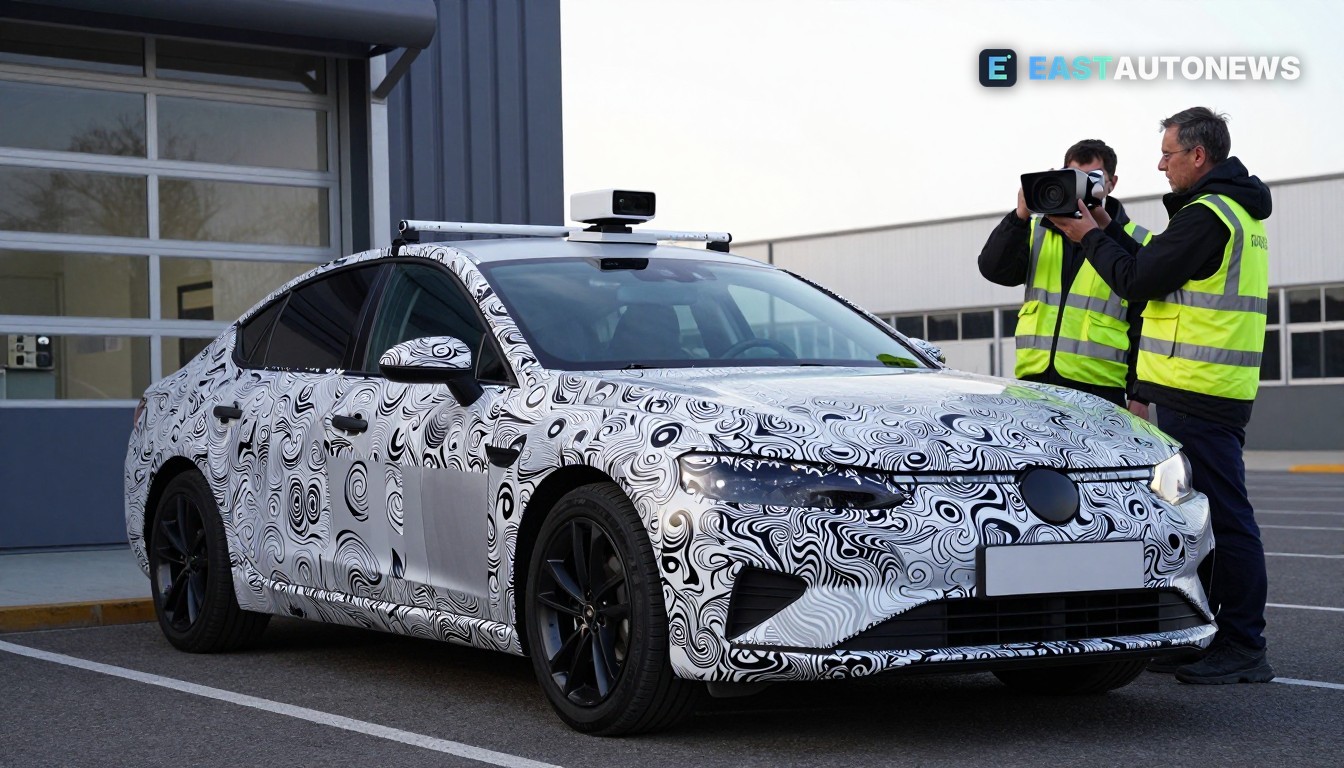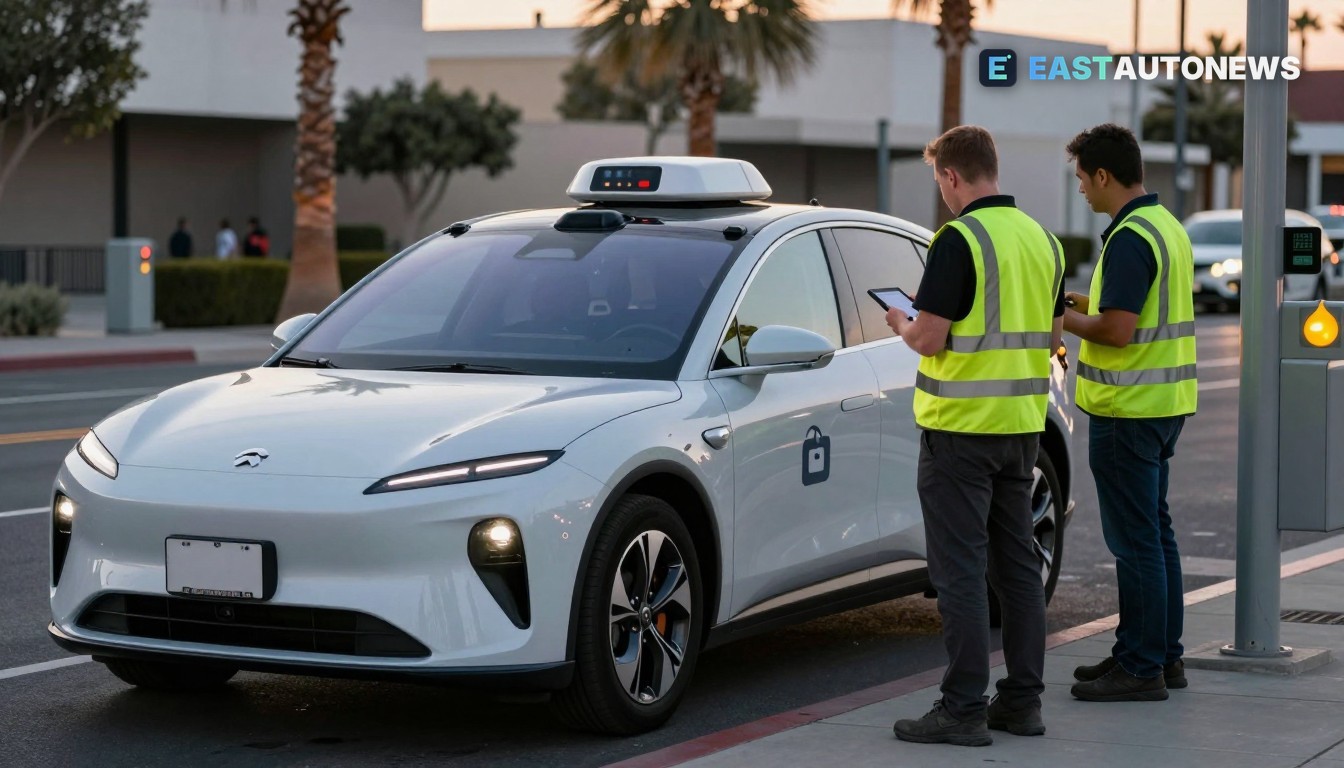
Motional, the autonomous‑vehicle joint venture majority‑owned by Hyundai Motor Group, plans to begin fully driverless passenger rides through the Uber app in Las Vegas in early December, the company told journalists and industry observers this week. The move follows roughly two years in which Motional rebuilt its software stack around an "AI‑first" approach and completed independent readiness reviews.
Motional's move
The company has been operating Hyundai IONIQ 5 vehicles with safety operators aboard in Las Vegas since March 2026; Axios reports Motional now plans to remove the onboard human operator for a limited initial rollout in early December. Motional has said it ran extensive safety and readiness checks with TÜV SÜD, Hyundai and Uber before deciding to proceed.
Motional traces its lineage to earlier autonomous‑driving projects such as nuTonomy and was formed as a joint venture between Hyundai Motor Group and Aptiv in 2020. Hyundai increased its stake and took majority control in 2024, giving Motional closer access to automaker engineering and production expertise. Motional's approach emphasizes large driving models and integrating autonomy with vehicle platforms rather than fitting retrofit kits to consumer cars.
Safety checks and partners
Industry reporting says Motional completed readiness reviews with an independent auditor and its partners before planning the initial driverless step. The company has kept expectations modest: executives told Axios the first driverless fleet will be small while Motional waits for a next‑generation platform with lower sensor and compute costs. Motional also benefits from Hyundai manufacturing the IONIQ 5 with autonomous hardware integrated at the factory, rather than adding equipment after assembly.
What this means for the market
A successful Motional driverless launch in Las Vegas would be another sign that robotaxi operators are moving from supervised pilots toward unattended commercial operations in selective environments. For European automakers and suppliers the case is important: Motional's tighter ties with Hyundai — and Hyundai's established manufacturing footprint in Europe, including its Nošovice plant in the Czech Republic — underscore how OEM partnerships can speed the path from pilot to productionised robotaxi vehicles. Hyundai's Nošovice factory celebrated its five‑millionth vehicle and continues modernisation work, illustrating the group's scale in Europe.
For suppliers and CEE manufacturing hubs the industry shift means demand may grow for factory‑fitted autonomy modules, vehicle integration expertise and lower‑cost sensing platforms that make robotaxi economics viable. Motional's public focus on reducing per‑vehicle sensor and compute cost highlights where tier‑one suppliers and semiconductor partners could find opportunities — but any European commercial roll‑out will still depend on local regulatory approvals and certification processes.
Observers say the Las Vegas battleground is valuable because its road geometry and tourist flows make it a comparatively controlled testbed for driverless economics; success there would strengthen commercial arguments for other dense or tourism‑heavy cities worldwide.
WorldTrader24 B2B-Fahrzeugmarkt für Händler →
Sources: Axios, The Robotics Media, Hyundai Motor Manufacturing Czech
Partner note: EastAutoNews technology partner DaVinci AI develops AI solutions for the entire automotive industry – from market and dealer analytics to autonomous AI agents and image and video production.