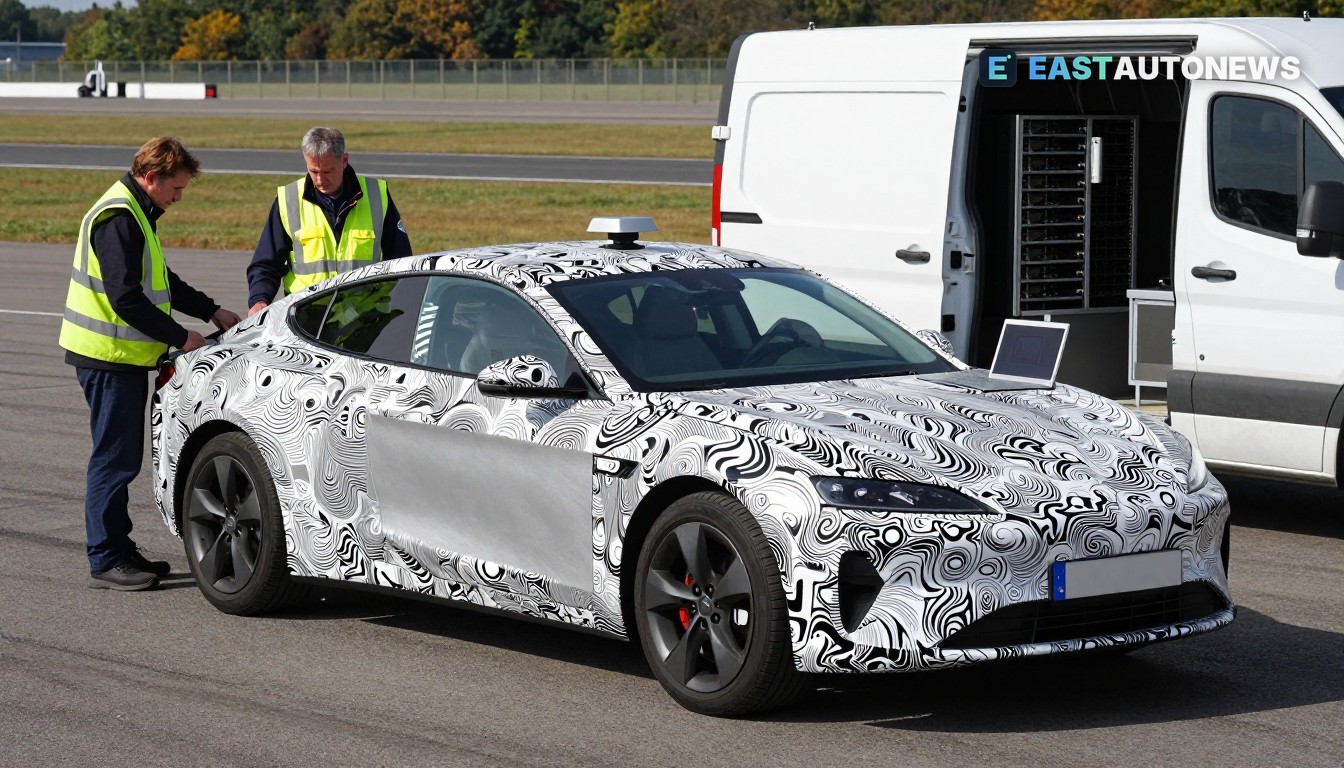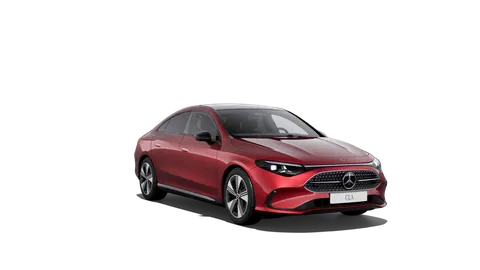
Mercedes‑Benz on 20 November 2026 said Germany’s Federal Motor Transport Authority (KBA) had granted regulatory approval for its MB.DRIVE ASSIST PRO — a navigation‑guided SAE Level 2 system that assists the driver from start to destination, including in dense city traffic.
What the approval covers
According to the carmaker’s press release, the system assists leaving motorways, changing and merging into lanes, turning at junctions and braking/starting at traffic lights when Mercedes‑Benz navigation is active. The company says MB.DRIVE ASSIST PRO was approved on the basis of the UNECE Driver Control Assistance Systems regulation (UN R171).
Mercedes‑Benz also said the approval makes it the first automaker to receive such an authority decision in Germany. Selected customers will be offered an Early‑Access Programme in Stuttgart and Munich from December 2026, with a wider German launch planned for the first half of 2027. Existing owners whose cars already have the necessary hardware will be able to add the function via an over‑the‑air update after rollout.
Regulatory context
The company framed the KBA decision against the arrival of a harmonised legal framework for driver‑assist systems: Mercedes‑Benz said the requirements of UN R171 formed the basis for the approval and that that framework is expected to take effect in January 2027. International regulatory trackers show a cluster of UNECE/ WP.29 amendments and approvals tied to late January 2027 (many items are scheduled to enter into force on or around 28 January 2027).
What this means for the market
For Europe and Central & Eastern Europe, the KBA clearance is a practical sign that regulated, navigation‑guided Level‑2 systems are moving from lab demonstrations into customer deliveries under an aligned UNECE rule set. That matters for manufacturers and suppliers in CEE because a harmonised UN R171 enables easier cross‑market product approvals and reduces the need for market‑by‑market technical rework. Mercedes’s promise to deliver the function by OTA to already‑equipped cars also highlights how software‑defined vehicles will let European owners add advanced features without a dealer visit — a sales and aftersales dynamic that will raise demand for secure OTA, validation services and local software support.
Suppliers and Tier‑1s with ADAS sensors, compute modules and calibration tools stand to gain if OEMs adopt point‑to‑point assist at scale; workshops and aftermarket chains will need to expand ADAS calibration and diagnostics, while regulators and insurers will watch real‑world safety data closely as rollouts begin. The KBA approval signals that manufacturers who can meet UN R171 technical and documentation demands first will have a near‑term advantage in the large EU market.
Mercedes models on WorldTrader24 →
Sources: Mercedes‑Benz Media, GlobalAutoRegs
Partner note: EastAutoNews technology partner DaVinci AI develops AI solutions for the entire automotive industry – from market and dealer analytics to autonomous AI agents and image and video production.