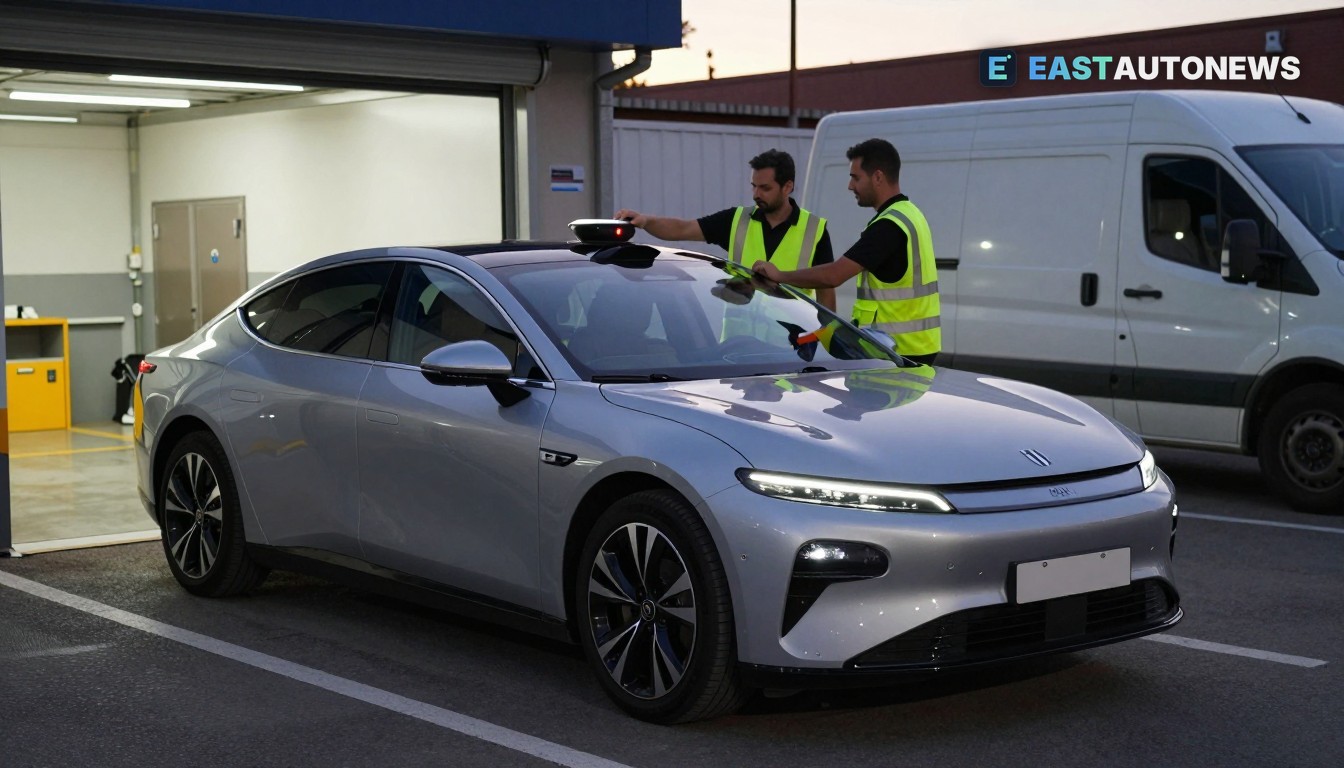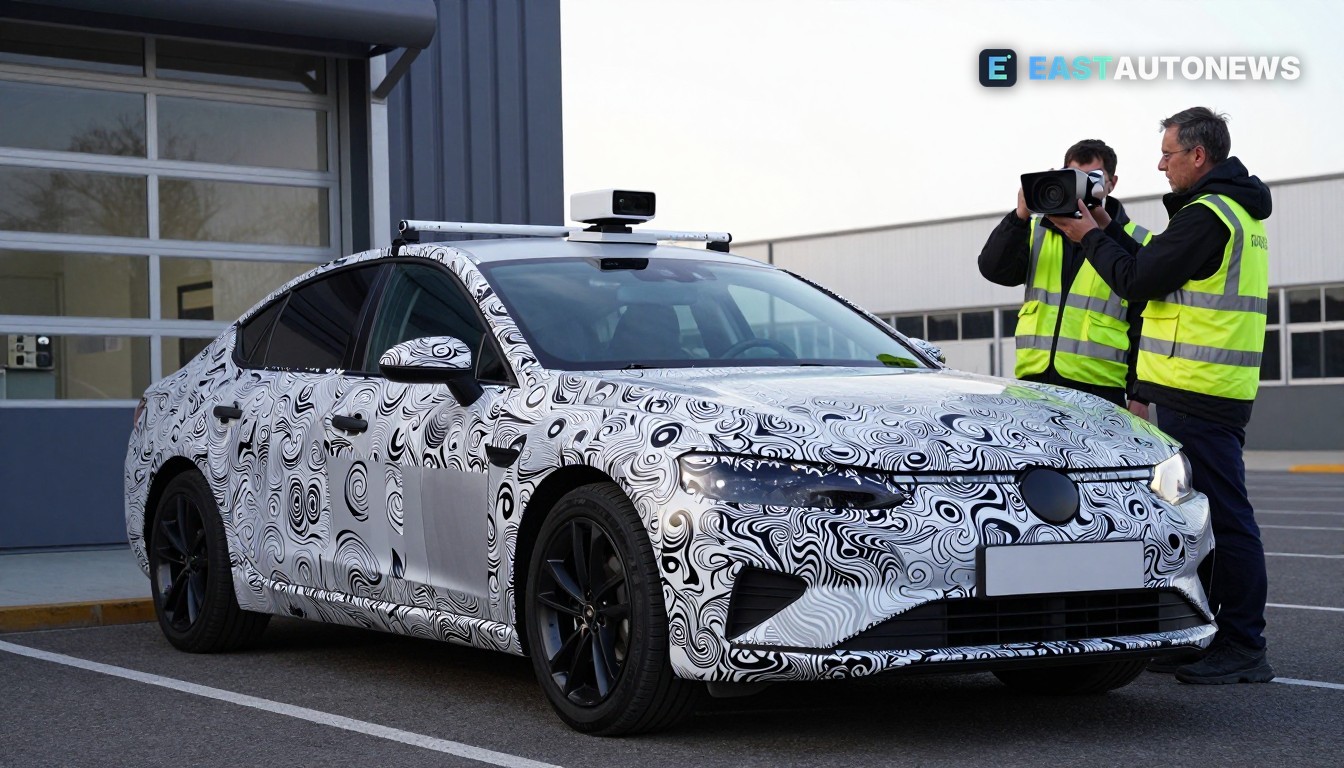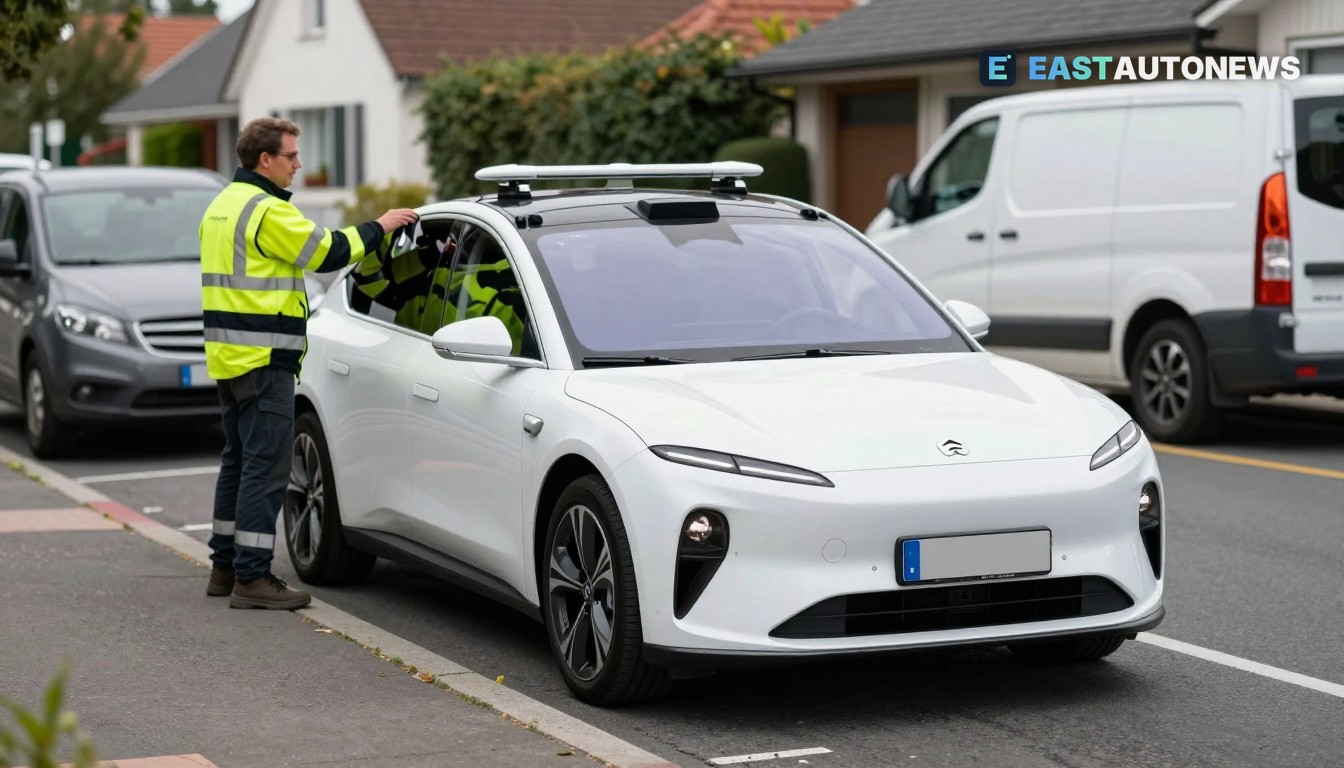
Estonian ride‑hailer Bolt has begun supervised Level‑4 autonomous vehicle operations on public roads in Luxembourg, the company said on 26 November 2026. The pilot uses Pony.ai’s seventh‑generation driving system (Gen‑7) and started as a five‑vehicle programme operating in the communes of Bissen and Niederanven under a national scientific testing permit that took effect on 1 November 2026. A trained safety operator remains on board each car and passenger rides are not yet available, Bolt and reporting outlets said.
The rollout
Bolt framed the deployment as a systems‑level trial that pairs Pony.ai’s software with Stellantis‑supported vehicle platforms and Bolt’s own operations stack. The initial fleet of five vehicles will validate safety, performance and regulatory readiness before any booking‑open phase; the Luxembourg permit authorises scientific testing on public roads, not commercial robotaxi services, and requires human supervisors on board. Bolt has set an internal expansion ambition — the company has previously stated a target of operating 100,000 autonomous vehicles on its platform by 2035 — but did not announce commercial launch dates or fares in its November statement.
Bolt leadership highlighted Luxembourg’s regulatory approach as a reason for choosing the country for its first full‑stack European pilot. “Luxembourg’s forward‑looking approach is what makes this possible, and this is where we put it into practice,” Bolt’s Jevgeni Kabanov said in company comments reported by outlets covering the rollout. Reporters noted the programme is being staged municipality‑by‑municipality and will expand only after each phase proves safe and reliable.
What this means for the market
The Bolt–Pony.ai pilot, operating under a national scientific permit effective 1 Nov 2026, is a pragmatic example of how European permitting pathways are being used to move from closed‑track testing to city traffic validation. For Central and Eastern Europe this matters for three reasons: it establishes a nearby regulatory precedent that other EU states and municipalities may replicate; it signals potential demand for local suppliers to provide sensors, mapping, fleet‑management and servicing; and it creates another route by which non‑European autonomy suppliers (notably Chinese and US AV software firms) can integrate with European vehicle makers and mobility platforms. These are market‑direction observations supported by the public details of the Luxembourg pilot rather than new policy pronouncements.
For component and service suppliers in CEE the trial underlines that short lead times for testing permits — and the availability of municipal test areas such as Bissen and Niederanven — can open business opportunities around fleet fit‑out, local validation, and operator training. Regulators and city planners in the region should also watch the pilot’s phased validation requirements closely: the Luxembourg permit conditions and the staged five‑vehicle start show authorities expect step‑by‑step proof before passenger‑facing services are authorised.
The pilot is explicitly a scientific test and not a commercial service: Bolt and its partners have not opened rides to the public and have not published a timeline for that transition. Observers should therefore treat the November 26 deployment as a technical and regulatory milestone rather than an immediate market‑scale launch.
Available vehicles now on WorldTrader24 →
Sources: Bolt, TravelMole, ZagDaily, AutoSignal, MarkLines